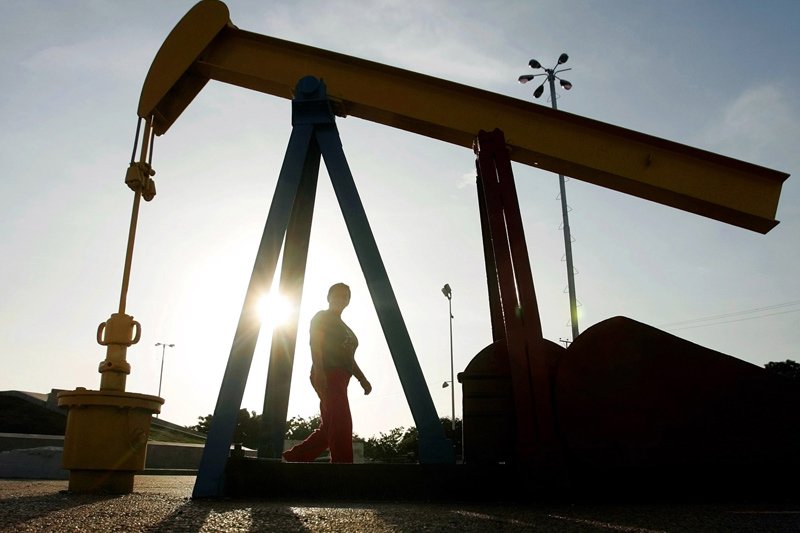
Chevron is shutting-in production at its Petronius facility in the U.S. Gulf of Mexico and moving personnel onshore ahead of Tropical Depression Two, with nonessential workers also being removed from other platforms. The system could strengthen into Tropical Storm Bertha, with 2-4 inches of rainfall (isolated ~8 inches) and potential oil losses of up to ~2 million barrels across the Gulf through the storm—far above ~10,000 barrels affected by Tropical Storm Arthur last month. With the Gulf’s deepwater output near ~2 million bpd in March (about 14% of U.S. crude), the risk of supply disruption and downstream impacts keeps a cautious tone into earnings season.
This is more of a short-dated volatility event than a clean fundamental re-rate for energy equities. The first-order bid is in prompt crude and Gulf Coast product basis, but the equity winners are likely the names with the least operational exposure and the most commodity beta; integrated Gulf operators can see headline support while still facing downtime, restart costs, and logistical friction. In practice, the market usually overprices the duration of offshore shut-ins in the first 24-48 hours and then fades the move once the track narrows.
The more interesting second-order effect is downstream: if the refining corridor takes any real hit, cracks can widen faster than crude itself, which helps non-Gulf refiners and product marketers more than the upstream names in the article. That creates a relative-value setup against coastal-integrated exposure, but only if outage data starts to show multi-day disruptions rather than precautionary shut-ins. CNP is a local weather-risk story, yet most of the economic damage is usually repair-cost timing and regulatory recovery, not a permanent demand hit; that makes it a noisy short unless outages are severe and prolonged.
Contrarian view: consensus is likely to treat this as a broad energy bullish shock, but the bigger risk is a fast reversal if the system weakens or veers away from the densest offshore and refining assets. If shut-ins stay below roughly 1 mb/d or restart timelines are quick, the current risk premium should compress within days. The thesis is falsified by a storm-track downgrade, limited refinery impact, or evidence that inventories/SPR buffers absorb the loss without a meaningful prompt spread move.
AI-powered research, real-time alerts, and portfolio analytics for institutional investors.
Request TrialOverall Sentiment
mildly negative
Sentiment Score
-0.25
Ticker Sentiment
