
Identity Theft Resource Center 2026 Consumer Impact Report: Scams inflict significant trauma compared to traditional identity theft
Source: PR Newswire
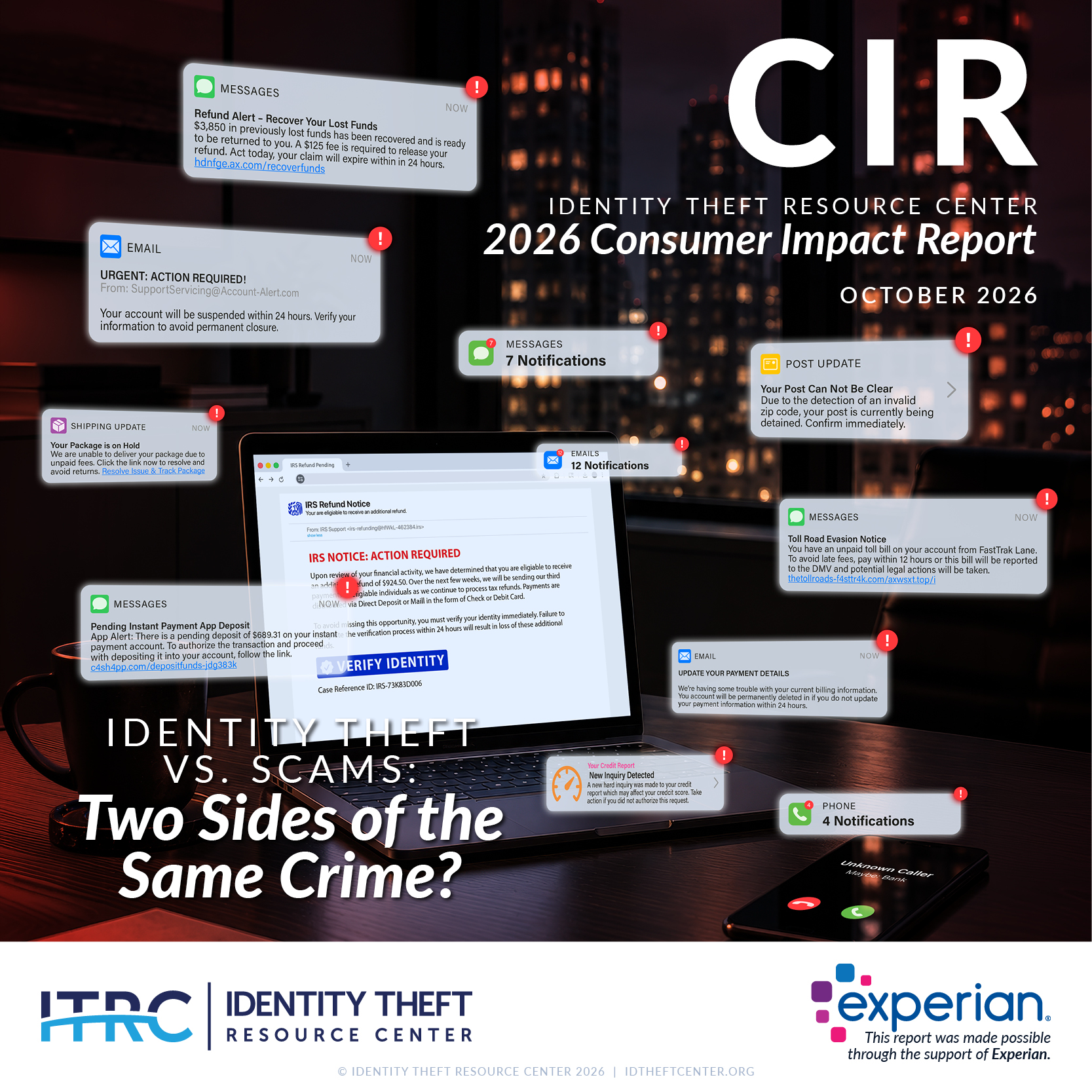
The ITRC’s 2026 survey found scam victims reported a 33.7% average adverse impact rate across 14 indicators, versus 17.3% for traditional identity theft victims; 80.5% of general consumer scam victims reported suicidal ideation, compared with 24.5% of traditional identity theft victims. Among scam victims who sought free ITRC assistance, suicidal ideation was 15.1%, and only 6.5% paid a secondary recovery scammer, versus 78.9% of general consumer scam victims targeted by recovery scammers. The report also found that 29.5% of general consumer scam victims lost at least $100,000 that was never recovered.
Analysis
This is a weak near-term earnings signal, not evidence of rising paid demand: the survey is self-reported, cohorts differ, and it does not quantify purchases, claims avoided, or fraud losses. The actionable read-through is a gradual shift in fraud budgets from post-event credit monitoring toward real-time authentication, scam detection, and victim recovery. That could support Experian’s identity/fraud products, but also benefits TransUnion, Equifax, and specialist fraud-analytics vendors; the report provides no basis to rank their economics. For banks and telecom operators, better intervention may reduce customer attrition and remediation costs, while upfront investment and false-positive friction can weigh on operating costs and conversion.
The report’s intervention association is potentially important but not proof that any one provider caused better outcomes. Experian’s sponsorship creates reputational exposure if consumers interpret the findings as evidence that institutions are failing victims; it is not, by itself, evidence of misconduct. Over the next 1–3 months, watch for regulatory proposals, large-bank fraud controls, and EXPN commentary on identity/fraud demand. Over 6–18 months, the thesis strengthens only if fraud-related product adoption translates into measurable growth or retention, rather than merely higher compliance expense. Survey selection and attribution are key limitations. No immediate directional trade is justified; the more credible contrarian view is that the report may prompt headlines without materially changing near-term revenue. Falsify the positive read-through if EXPN reports no incremental fraud-product demand or if tighter verification materially damages customer conversion.
AllMind Terminal
AI-powered research, real-time alerts, and portfolio analytics for institutional investors.
Request TrialMarket Sentiment
Overall Sentiment
moderately negative
Sentiment Score
-0.35
Ticker Sentiment
Key Decisions for Investors
- No immediate trade on the report alone. Avoid treating the survey’s victim outcomes as a revenue forecast for EXPN.
- Put EXPN on a 1–3 month catalyst watch: seek management commentary or disclosed metrics on identity/fraud product adoption, customer retention, and fraud-related revenue before adding exposure.
- Monitor bank and telecom spending announcements for authentication and scam-prevention tools; validate whether budgets are incremental or are offset by compliance costs and customer-friction losses.
- Reassess the thesis if EXPN reports weakening fraud-product demand or conversion impacts, or if policy changes impose material new obligations without evidence of monetizable demand.
More News
- Financial AI startup Casap raises $56 million to help banks stop an explosion of customer fraud
- Wendy's shares jump 15% as Nelson Peltz's Trian offers $1.4 billion to buy burger chain
- Burnham’s government unveils its first UK budget: What to expect
- China’s tech darlings are losing their shine. Here’s what’s behind the sell-off
- Fortinet’s stock is taking a dive after earnings. Here’s why.
- Fed leaves rates unchanged: What it means for credit cards, mortgages, auto loans and savings accounts