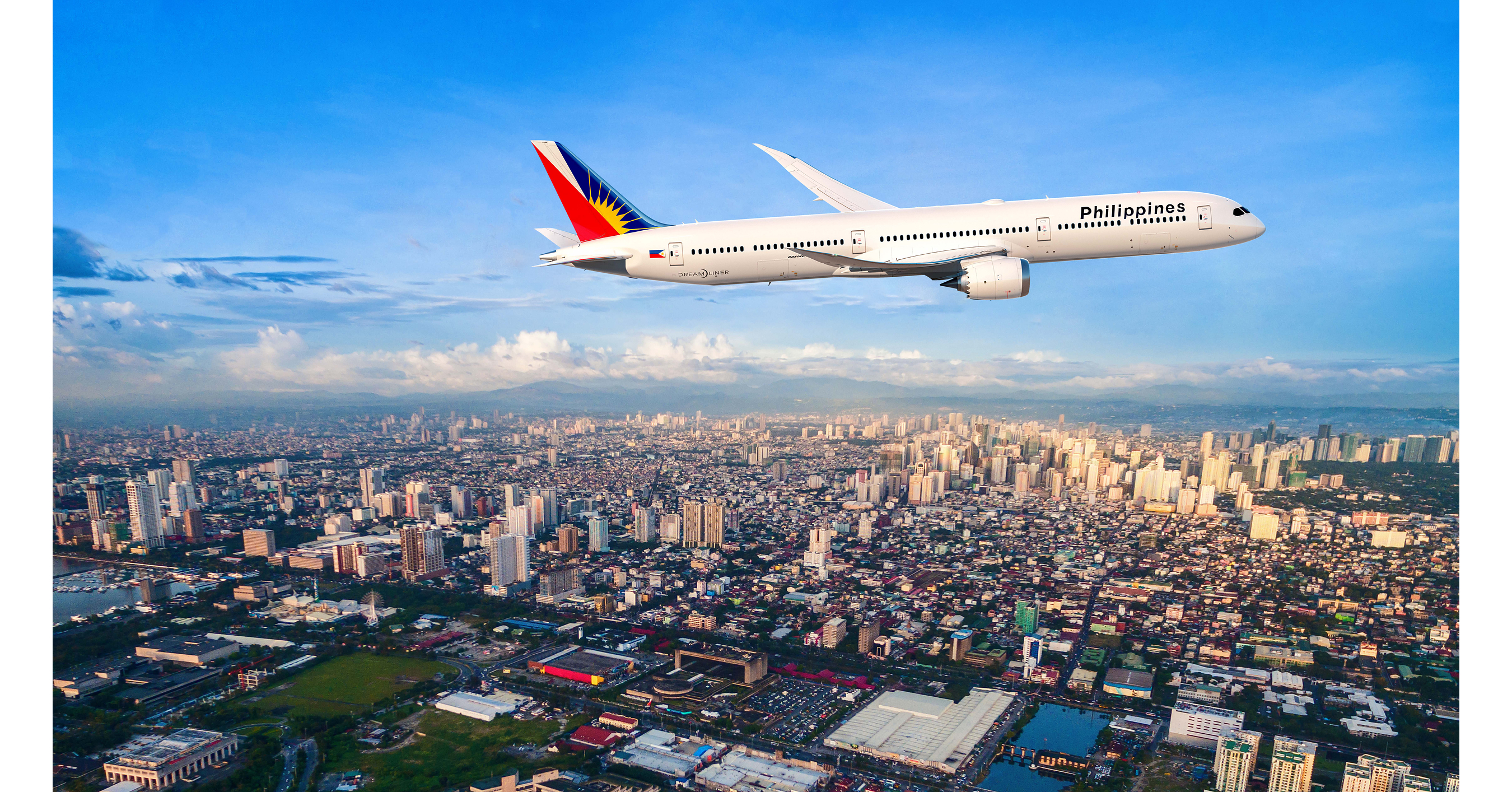
Boeing and Philippine Airlines committed to an order for up to 20 Boeing 787 Dreamliner jets (15 x 787-10 firm, with options for five more) to support PAL fleet modernization. The 787-10 is cited as using about 25% less fuel than the aircraft it typically replaces and expanding PAL’s medium- and long-haul operational flexibility. Overall, the announcement is a positive incremental order for Boeing, though details are not yet finalized.
This is better read as a credibility signal than a revenue event. For BA, the incremental value is in demonstrating it can still win long-haul fleet replacement business in Asia, which supports backlog quality and production-rate confidence; the earnings impact is negligible until deliveries are scheduled, so the stock should only care if this helps sustain a cleaner 1-3 quarter commercial narrative.
The second-order winner is the industrial supply chain around widebody ramping: any order conversion that locks in 787 cadence reduces under-absorption risk for Boeing’s sub-tier vendors and improves planning visibility. The loser is Airbus only at the margin; one airline order does not change the long-run competitive balance, but it does matter if it reflects a broader shift by Asian flag carriers toward Boeing on route flexibility and fleet commonality. That said, the market will discount this heavily unless it is accompanied by improving delivery discipline.
The main risk is that this is still a headline-stage commitment, not cash flow. If finalization drags, or if the next 787/737 quality or delivery update disappoints, the market will quickly fade the announcement. Contrarian view: consensus often overvalues order announcements; the real catalyst for a durable re-rating is not backlog growth but sustained free-cash-flow conversion and reduced rework costs over the next 6-18 months.
AI-powered research, real-time alerts, and portfolio analytics for institutional investors.
Request TrialOverall Sentiment
mildly positive
Sentiment Score
0.30
Ticker Sentiment
