
Russia Raises Crude Shipments Even as Refineries Ramp Up
Source: Bloomberg
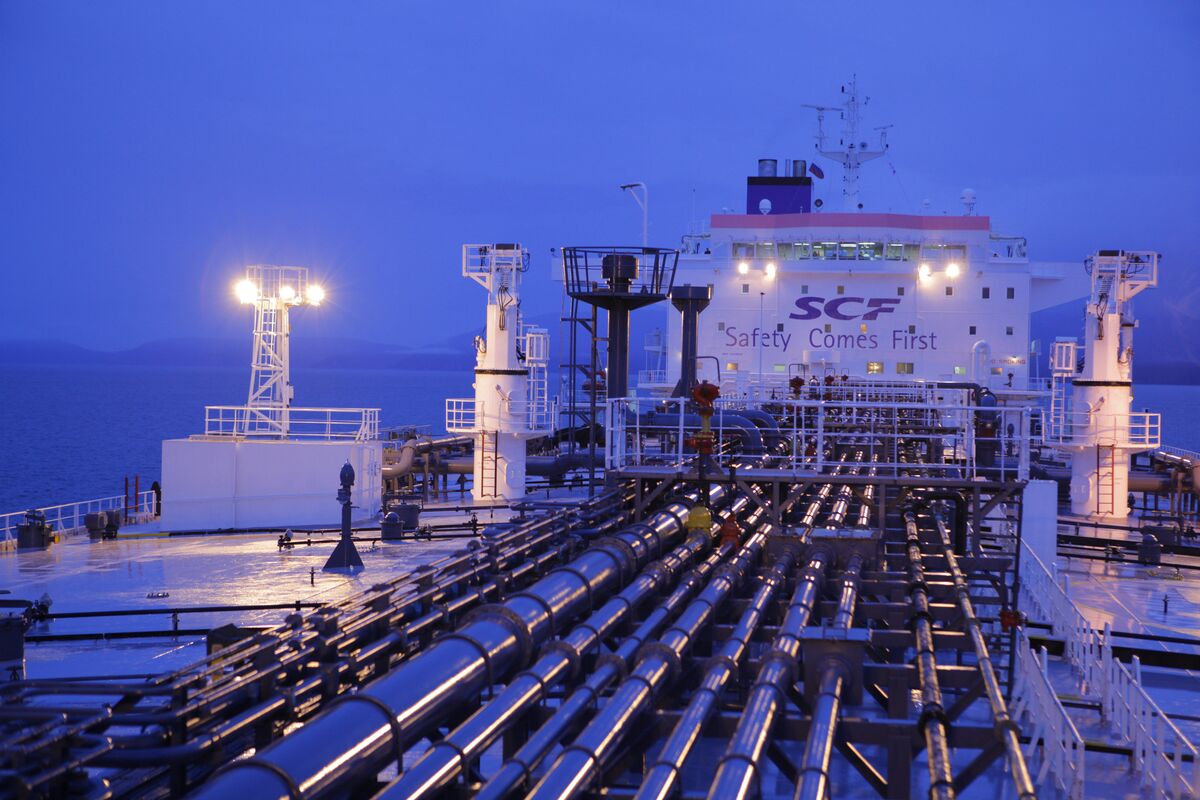
Russia’s crude exports averaged 3.65 million barrels a day in the four weeks through Nov. 1, up 60,000 barrels a day from the revised figure for the period through Oct. 25, according to Bloomberg tanker data. Shipments rose as refinery runs increased amid a temporary lull in Ukrainian attacks on Russian oil-processing plants.
Analysis
The non-obvious signal is resilience of export logistics, not a meaningful new supply shock: crude exports rose even as more feedstock was apparently absorbed domestically. That leaves the marginal balance mildly bearish crude only if flows persist; the increase is small enough that tanker scheduling, weather, or measurement revisions could erase it. Do not infer higher production—exports could also reflect inventory draws or timing.
Over days, the flow is a modest headwind to prompt crude risk premium, but not enough on its own to underwrite a directional position. Over 1–3 months, the key distinction is whether refinery recovery translates into product exports. If it does, accessible Russian diesel/gasoil would pressure product cracks; if sanctions, insurance, or routing constraints keep products bottled up, stronger runs instead reduce crude available for export and may support cracks elsewhere. Over 6–18 months, repeated attacks would raise the value of export-route resilience and non-Russian refining capacity, but one lull does not establish a durable operating trend.
Contrarian read: the market may over-attribute the export increase to sustainable supply. The counter-signal—higher refinery runs—makes crude-export durability uncertain. Track several consecutive tanker-data windows, product flows, refinery utilization, and Urals discounts before treating this as a regime change.
AllMind Terminal
AI-powered research, real-time alerts, and portfolio analytics for institutional investors.
Request TrialMarket Sentiment
Overall Sentiment
neutral
Sentiment Score
0.00
Key Decisions for Investors
- No standalone trade from this marginal flow change. Keep a mild bearish bias in prompt Brent only if subsequent four-week export readings remain elevated and the Urals discount does not widen materially; reverse that bias if flows fall back or attacks again constrain processing/export infrastructure.
- Watch, rather than initiate, a short ICE gasoil crack position: it becomes actionable only if verified Russian product exports rise and refinery utilization holds. A refinery-run increase alone is insufficient evidence of incremental exportable products.
- Use tanker-flow persistence, refinery-run data, product export volumes, and sanctions/insurance enforcement as the 1–3 month catalyst set. A renewed attack wave or a sharp deterioration in export logistics would falsify the supply-resilience thesis.
More News
- The Strait of Hormuz closure has cost Europe an extra $142 billion for the same energy it was already buying
- US hits Qeshm Island, Pezeshkian signals more diplomacy: Iran war latest
- 5 things to watch on Election Day as Democrats push for control of Congress
- US and Iran Are Reviewing Proposals to End Middle East Conflict
- Opening Statement before the House of Commons Standing Committee on Finance
- North Korean fake job interview led to $6.3B Binance heist