
FCT Introduces Liquid Leak Detection Flex Assembly for AI and High-Performance Computing Systems
Source: PR Newswire
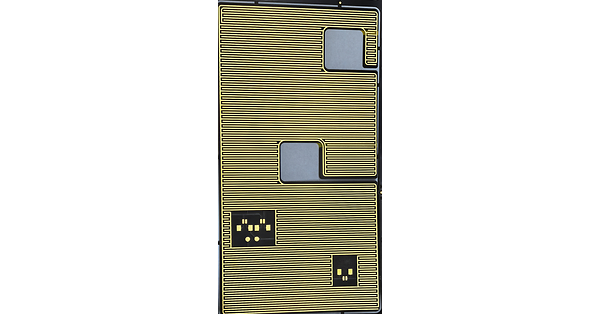
Flexible Circuit Technologies introduced a customizable Liquid Leak Detection Flex Assembly for direct-to-chip liquid-cooled AI servers and high-performance computing systems. The thin, flexible sensor can be integrated near potential failure points including GPU/CPU cold plates, manifolds, quick disconnects, coolant distribution units and server trays. FCT plans to work with server OEMs, cooling-system suppliers and data-center infrastructure providers on prototyping and scalable production, but disclosed no financial terms, customer wins or revenue outlook.
Analysis
This is a component-level validation of a broader bottleneck: liquid cooling shifts AI infrastructure risk from chip availability and power delivery toward uptime, serviceability, and warranty exposure. The economic value accrues less to a small flex-circuit supplier than to scaled thermal-system vendors and server ODMs that can bundle sensing, controls, cold plates, CDUs, and field-service contracts into qualified platform designs. A leak event can destroy GPUs whose replacement cost and cluster downtime materially exceed the sensor bill-of-materials, supporting high attach rates once OEM specifications standardize.
Near term, this is not a tradable revenue signal: there is no disclosed customer qualification, volume commitment, ASP, or production ramp. Over the next 1-3 months, monitor liquid-cooling design wins and rack-scale deployment commentary from Vertiv (VRT), Modine (MOD), and nVent (NVT), plus AI-server shipment outlooks from Super Micro Computer (SMCI) and Dell (DELL). The relevant catalyst is evidence that in-rack sensing becomes a required specification rather than an optional redundancy feature; that would lift thermal-management content per rack and strengthen aftermarket/service margins over 6-18 months.
Consensus may be over-focusing on cooling capacity while underpricing reliability architecture. More sensors and connectors also create incremental failure points and qualification friction, so adoption may initially favor integrated suppliers with system-level warranties rather than discrete component vendors. The thesis weakens if air-cooled GPU configurations remain viable longer than expected, immersion cooling reduces the relevance of localized leak sensing, or hyperscalers standardize internally designed monitoring hardware that compresses third-party component margins.
AllMind Terminal
AI-powered research, real-time alerts, and portfolio analytics for institutional investors.
Request TrialMarket Sentiment
Overall Sentiment
mildly positive
Sentiment Score
0.30
Key Decisions for Investors
- No direct trade on FCT: treat the announcement as a watch item until customer names, qualification status, annual unit volumes, and sensor ASP are disclosed.
- Maintain a 6-12 month relative-long bias toward VRT versus SMCI: VRT has higher exposure to recurring thermal/power infrastructure content and service economics, while SMCI faces greater server-platform competition and liquid-cooling execution risk. Reassess if VRT bookings/backlog conversion slows or SMCI demonstrates sustained gross-margin expansion from rack-scale cooling.
- Watch MOD and NVT for incremental liquid-cooling order commentary during the next earnings cycle; initiate only after management quantifies AI-related backlog or margin-accretive content. A confirmation trade would target 10-15% upside over 6 months, with exit on a material reduction in data-center cooling guidance.
- Use any sharp AI-infrastructure selloff to evaluate long VRT / short broad semiconductor-equipment exposure rather than chase niche sensing suppliers: the leak-detection theme favors physical infrastructure content per deployed rack, not necessarily incremental GPU unit demand.
More News
- All Iranian airlines to be 'shut down' from Wednesday, Bessent tells CNBC
- Taiwan benchmark Taiex rises to record intraday high as tech stocks advance
- AMD joins the $1 trillion club as chip rally surges - our AI Strategy saw it early
- Jamie Dimon says hyperscaler AI spending could hit $1 trillion next year
- Factbox-Key issues for this week’s Trump-Xi summit in Washington
- Here's who we know is going to the Trump-Xi dinner so far