
Fair Finance Asia aboga por una gobernanza más sólida y equitativa
Source: PR Newswire
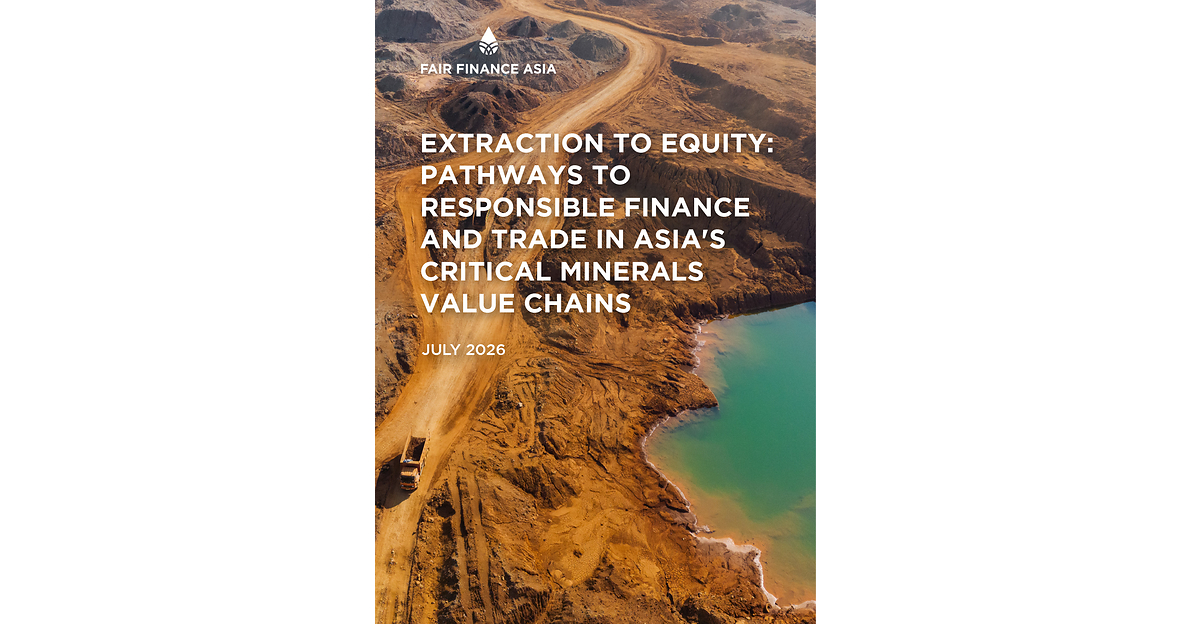
El informe "Extraction to Equity" de Fair Finance Asia y Profundo concluye que los acuerdos de minerales críticos de Camboya, Indonesia, Filipinas y Tailandia carecen sistemáticamente de cláusulas de beneficio local, estándares ESG y mecanismos de reparto equitativo de valor. Según el análisis, basado en información pública disponible hasta diciembre de 2025, los países de origen tienden a exportar minerales sin procesar mientras el valor añadido se genera fuera de la ASEAN. FFA insta a gobiernos, reguladores financieros, bancos e inversores a imponer salvaguardias obligatorias de derechos humanos, consentimiento comunitario, transparencia y descarbonización creíble.
Analysis
This is not an investable supply shock today; it is an early regulatory-risk signal for the ASEAN nickel, copper and rare-earth processing corridor. The likely market consequence over the next 6-18 months is higher permitting, community-consent and financing costs rather than reduced mineral availability. Indonesian nickel converters and Chinese-linked processing assets are most exposed because their economics depend on low-cost feedstock, rapid project approvals and access to export-credit or bank financing; tighter safeguards could raise capex, extend construction schedules and narrow already-cyclical refining margins.
The more consequential second-order effect is regional value-chain localization. If governments move from voluntary ESG commitments to local-processing, benefit-sharing or export restrictions, upstream-resource holders gain bargaining power while offshore refiners and battery-material buyers face greater feedstock concentration. That favors diversified miners with established ESG systems and multiple jurisdictions—BHP, RIO and FCX—at the margin versus single-country, high-intensity nickel supply. It could also reinforce the relative strategic value of non-Indonesian battery inputs, including Australian hard-rock lithium and North American copper.
Near term, public advocacy alone should not alter earnings estimates or justify a directional position. The actionable catalyst is a concrete policy step: mandatory human-rights due diligence, a new export levy, a local-content rule, or lender withdrawal from a named project. A contrarian read is that stricter standards can ultimately de-risk credible operators: projects able to secure durable community consent may command lower funding costs and face less disruption, while weak projects lose access to capital.
Monitor Indonesian and Philippine mining-policy announcements, Japanese bank ESG financing exclusions, and nickel sulfate/refined-nickel spreads over the next 1-3 months. The thesis is falsified if ASEAN governments maintain nonbinding guidance and project-finance commitments continue without higher spreads, delayed permits or revised environmental conditions.
AllMind Terminal
AI-powered research, real-time alerts, and portfolio analytics for institutional investors.
Request TrialMarket Sentiment
Overall Sentiment
mildly negative
Sentiment Score
-0.35
Key Decisions for Investors
- No immediate standalone trade: treat this as a policy watch item, not a catalyst, given the absence of a binding measure, named issuer or demonstrated change in supply.
- For existing battery-material exposure, reduce concentration in Indonesia-dependent nickel refiners/processors and favor diversified mining exposure through long BHP or RIO over high-jurisdiction-concentration nickel assets on a 6-18 month horizon; reassess if project approvals remain timely and financing spreads are unchanged.
- Set alerts for Indonesian local-content/export-policy changes and Japanese-bank project-finance restrictions. On a confirmed rule affecting a specific nickel-processing project, consider a 1-3 month long diversified-miners / short Indonesia-exposed nickel-processing pair, sized only after estimating affected throughput and debt maturity exposure.
- Watch LME nickel and nickel-sulfate premia rather than headline nickel prices: a sustained widening in chemical-grade premia alongside permitting delays would validate a battery-chain supply-risk trade; unchanged spreads would indicate limited near-term economic impact.
More News
- South Korea’s exports hit record high on AI boom
- In photos: China's Xi hardens Taiwan warning as country celebrates week-long National Day holiday
- US judge approves settlement allowing Paramount to acquire Warner Bros
- RAM supply set to worsen, says Micron, as CEO celebrates ‘much higher’ prices
- Greer urges G20 to back Trump tariff agenda, takes aim at China
- Why is Nidec stock plunging today?