
FireRock Country Club To Unveil Updated Clubhouse, A Bold Reinvention Rooted in Belonging
Source: PRWeb
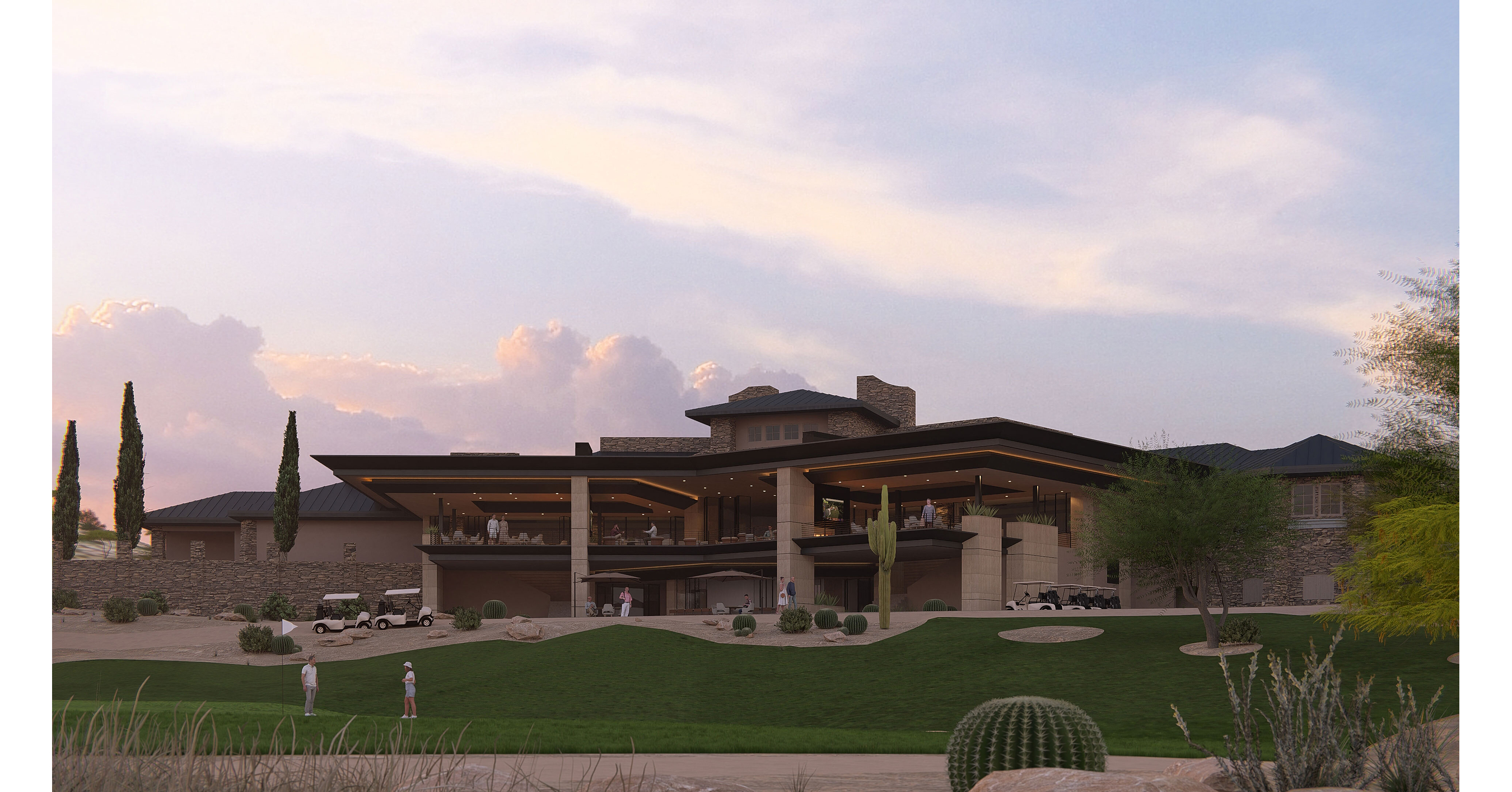
FireRock Country Club (private, member-owned) is rolling out a fully renovated clubhouse with three new dining venues and upgraded lounges as part of a multimillion-dollar property-wide transformation, scheduled to open September 15, 2026. The upgrade includes a new state-of-the-art open-concept kitchen (with a wood-fired pizza oven) and expanded open-air patio views, alongside broader investments such as a new Sports Club and Stadium Zoysia turf installation. Overall, the news is a lifestyle/amenities update with limited direct financial market impact.
Analysis
This reads less like a market event and more like a signal that affluent leisure spend in the Scottsdale/Fountain Hills corridor is still supporting elevated capex. The real mechanism is pricing power: private clubs can fund renovations only if initiation fees, dues, and assessment tolerance remain strong, which implies the high-end local consumer is still absorbing inflation without visible pushback. If that holds, the read-through is mildly positive for adjacent luxury service categories — but there is no direct public-equity catalyst here.
Second-order effects matter more than the press release itself. A refreshed clubhouse and expanded hospitality program usually forces nearby clubs to respond, which can accelerate a regional capex cycle and pressure smaller clubs with weaker balance sheets or less affluent membership bases. In the near term, that is more likely to reshuffle market share within the private-club niche than to move any listed security; over 6-18 months, it can widen the gap between trophy assets with pricing power and commodity golf properties that have to discount.
The contrarian take is that these renovations often hide a defensive motive: clubs upgrade when they need to protect retention, not just to grow. If member assessments rise too quickly or service execution slips after opening, the intended uplift can reverse into churn, particularly if Arizona’s housing wealth or equity markets soften. I would treat this as a watch item on upper-income discretionary sentiment, not a high-conviction trade signal.
AllMind Terminal
AI-powered research, real-time alerts, and portfolio analytics for institutional investors.
Request TrialMarket Sentiment
Overall Sentiment
neutral
Sentiment Score
0.10
Key Decisions for Investors
- No direct trade: keep this as a non-actionable local development unless broader affluent-consumer data confirm resilience; the equity impact is effectively zero today.
- Watch luxury discretionary proxies (XLY, high-end hospitality/leisure names) into the next 1-3 months for any corroboration that premium spending remains intact; do not size until confirmed by broader spend data.
- Monitor Arizona luxury housing and homeowner-wealth indicators over 6-18 months; a reversal in asset prices would be the key falsifier for the 'high-end consumer can absorb capex' thesis.
- If looking for a thematic basket, favor operators with proven pricing power and asset-light models over capital-intensive leisure assets; this club-style capex cycle is more margin-dilutive for the latter if financing costs stay high.
- Set an alert for signs of member pushback after reopening — dues increases, assessment complaints, or service issues would indicate the renovation is defensive rather than accretive.
More News
- CoreWeave credit default swaps hit distress levels as investors sour on AI debt
- Penske Automotive agrees to be taken private by Penske, Mitsui
- Supermicro promised a new CFO in December 2024. A $2.5 billion smuggling case and a co-founder’s arrest later, it has one
- Blackstone President Jon Gray Bets Big on AI Boom
- What's behind the sell-off in AI neocloud stocks like CoreWeave and Nebius
- Giant Taiwanese chipmaker TSMC confirms it’s in talks with Elon Musk to join ‘Terafab’ complex in Texas: ‘The AI market continues to be very strong’
From AllMind Research
- Anthropic IPO Preview: Valuation, Timing, and What to Watch
- Shein After the IPO: Venue, Valuation, and What Must Be Proved
- What AI Research Tools Should a Small Hedge Fund Buy First?
- The $4.7 Trillion Bet: When Does AI Capex Become AI Revenue?
- Equity Research Automation Statistics: A 2026 Evidence Check