
New Details Released for Kent Manufacturing & Innovation Campus Amid Growing Momentum in Aerospace and Advanced Manufacturing
Source: PRWeb
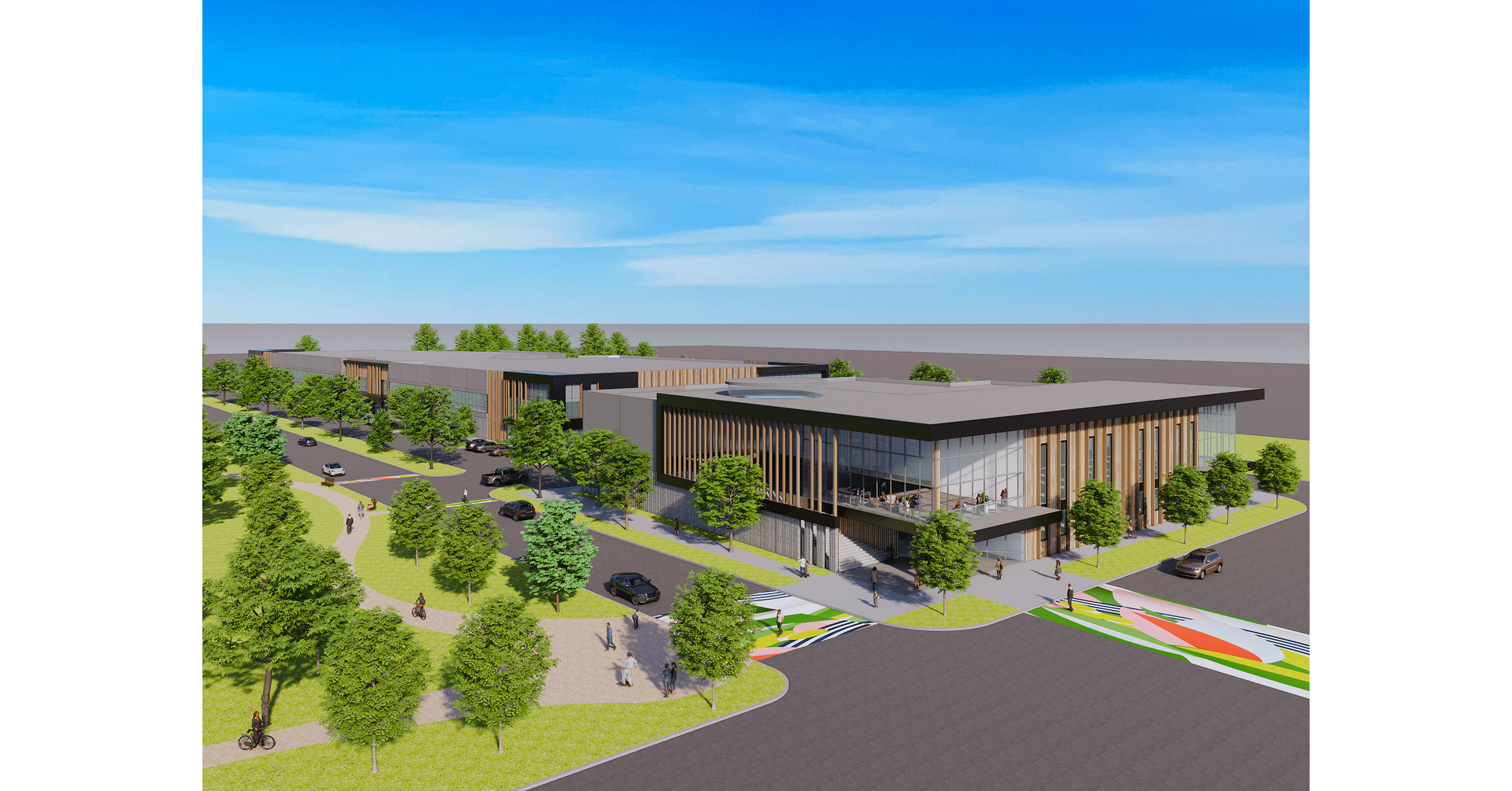
Mortenson Development, in partnership with the City of Kent, is advancing the 9.3-acre Kent Manufacturing & Innovation Campus (KMIC) with planned 150,000–300,000 sq. ft. of build-to-suit manufacturing, R&D, office, and industrial space for aerospace, defense, space, and advanced tech tenants. The project’s positioning highlights a nearby upgraded Puget Sound Energy substation with capacity up to 20MW, a stated differentiator for automation/robotics-heavy production, and the city has granted SEPA approval after completing the environmental review. Kent also offers a Business & Occupation (B&O) tax exemption for qualifying federal R&D contract revenue, and Baker Tilly is being added to help prospective tenants navigate state/local tax and incentives, supporting expected tenant demand tied to defense and space spending momentum.
Analysis
This is less a real estate story than a signal that the binding constraint for advanced manufacturing is shifting from land to utility-ready power. That favors developers and owners who can deliver shovel-ready, high-capacity industrial product, while punishing generic warehouse landlords whose boxes cannot absorb automation, labs, or light assembly without expensive retrofit capex. The second-order beneficiary set is broader than the article suggests: grid gear, switchgear, transformers, EPCs, and electrical contractors are the real bottlenecks if this demand theme persists.
Near term, the market impact is probably muted because this is still a single-project leasing narrative, not committed absorption or rent repricing. Over 1-3 months, the more important catalyst is whether other tenants in the Kent Valley or broader Puget Sound can sign similar power-rich build-to-suit deals; if they do, it validates a regional scarcity premium for industrial assets with utility capacity. Over 6-18 months, a cluster effect could emerge where aerospace/defense and space tenants concentrate around the few substation-backed sites, raising replacement costs and tightening cap rates for those assets.
The contrarian angle is that investors may overread "demand" and underread execution risk: these tenants are still making site-selection inquiries, not balance-sheet commitments. If lease-up slows or power delivery turns into a schedule issue, the scarcity premium evaporates quickly because standard industrial supply remains abundant relative to this niche. The cleaner trade is not on the campus itself, but on the enablement layer—especially electrical equipment and power infrastructure names that benefit regardless of which tenant ultimately signs.
There is also a policy angle: local tax incentives and federal defense/space spend are supportive, but they are slow-moving and vulnerable to budget timing. If defense appropriations slip or aerospace order backlogs ease, the current enthusiasm can fade before it translates into occupancy. The key falsifier is failure to convert inquiry momentum into signed leases and funded tenant improvements within the next two quarters.
AllMind Terminal
AI-powered research, real-time alerts, and portfolio analytics for institutional investors.
Request TrialMarket Sentiment
Overall Sentiment
mildly positive
Sentiment Score
0.25
Key Decisions for Investors
- No direct trade on the project itself; treat as a watch item until signed prelease or tenant commitment disclosures appear. The signal is too localized to justify a high-conviction position today.
- Barbell the theme via infrastructure: modest long ETN / PWR / HUBB as a 3-12 month proxy for power-constrained advanced manufacturing buildout, with a stop if industrial capex guidance rolls over or utility capex orders decelerate.
- Relative-value idea: long industrial REITs with power-ready, infill exposure (PLD, EGP) vs. lower-quality warehouse exposure, only if rent spreads in the Pacific Northwest begin to widen over the next 1-2 quarters.
- Avoid chasing broad aerospace/defense beta here; wait for confirmation in leasing data, because the article is about site selection optionality, not revenue visibility. Falsifier: if Kent Valley vacancy rises or build-to-suit starts stall, the scarcity thesis is wrong.
More News
- Iran says two tankers catch fire after hitting mines in Strait of Hormuz
- ‘France, truly, is on the brink’ and just days away from a make-or-break moment in its debt crisis, analyst warns, as protests turn into riots
- Why Marco Rubio’s visit to Mumbai has ruffled feathers in India
- US and Iran both claim control of Strait of Hormuz amid attacks on vessels
- Bending Spoons wants to revive software castoffs. Berkshire is backing the plan
- U.S. debt interest payments hit $3 billion a day and jumped 8% in fiscal 2026 — faster than total federal spending, revenue and GDP growth