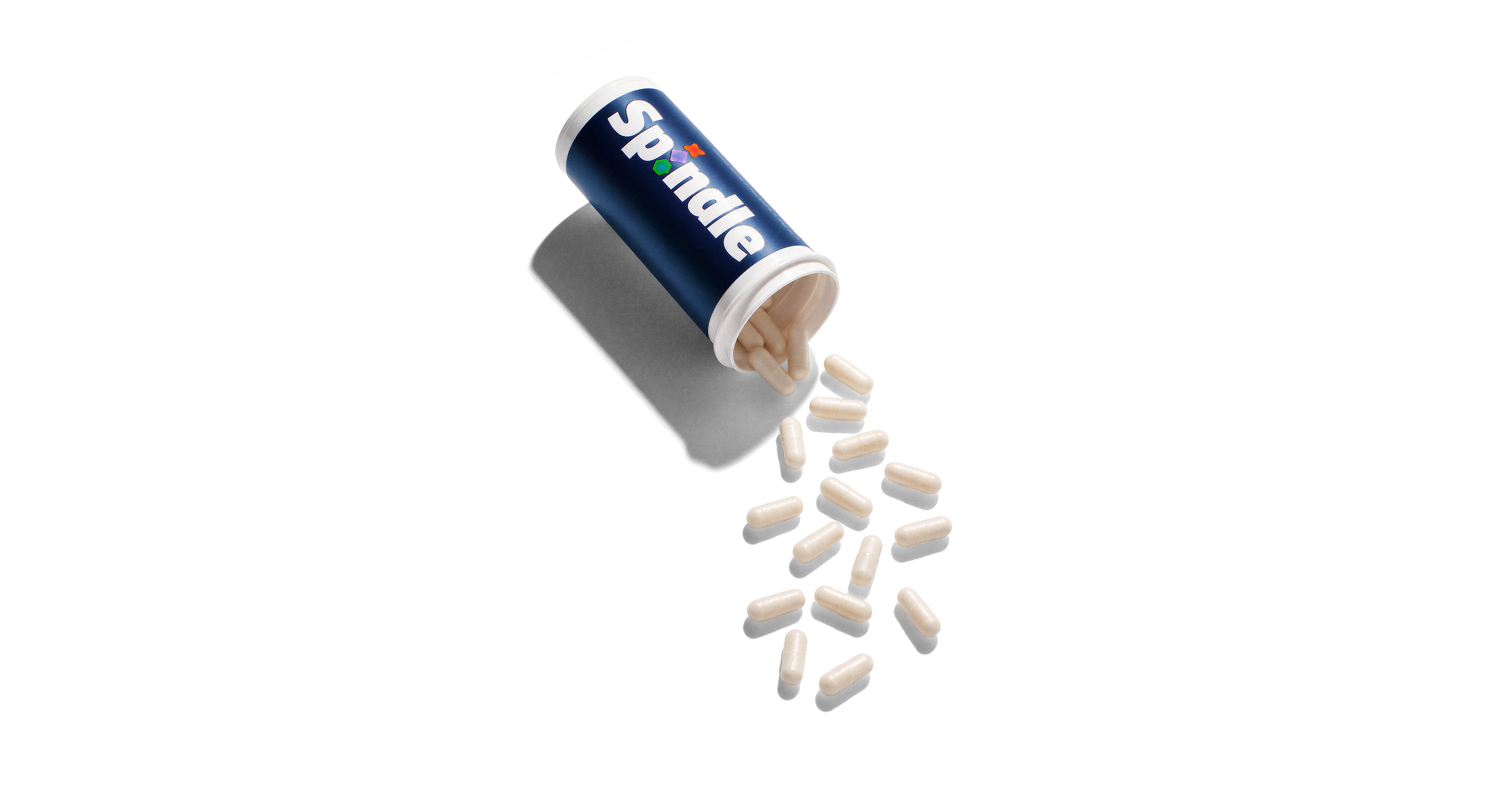
Samyang Roundsquare launched Spindle Muscle+ (powered by Akkermansia MYO™ postbiotic) claiming clinical benefits in adults 60+ from a 12-week, randomized, double-blind, placebo-controlled study. Reported outcomes include +10.4% hamstring strength, +14.1% muscle power, +5.0 percentage points grip strength, +5.6 percentage points prealbumin (muscle maintenance/repair biomarker), and a −37.8 percentage-point reduction in myostatin vs control. The product is positioned for 40s–50s longevity-focused consumers and also targets GLP-1 users concerned about lean muscle loss during weight change.
This is more interesting as a category signal than as a single-name event. If consumers buy the premise that muscle maintenance can be addressed through a differentiated, clinically framed ingredient rather than generic protein, the margin pool shifts away from commodity sports nutrition toward branded functional supplements with repeat purchase potential. The second-order winner would be companies that can justify premium pricing and DTC retention; the loser is anyone selling undifferentiated “high-protein” positioning with low scientific differentiation.
Near term, I would not treat this as a tradable earnings catalyst. The clinical dataset is still narrow, so the first test is conversion: does this drive sustained subscription behavior or just a launch spike? Over 1-3 months, watch for retail placement, CAC efficiency, and whether the brand can defend a premium versus creatine, collagen, and protein powders; if not, the economics collapse quickly even with decent headline science.
The contrarian risk is that the market overestimates willingness to pay for a niche longevity supplement while underestimating regulatory and claims friction. The strongest commercial use case may be GLP-1 users seeking lean-mass protection, but that is still an education-driven market with uncertain repeat rates. Falsifiers would be weak reorder data, no expansion beyond the initial enthusiast cohort, or any pushback on claim substantiation/NDI compliance that slows distribution.
Structurally, if this category scales over 6-18 months, it is more likely to pressure legacy supplement marketers and private-label offerings than to create a broad consumer winner. The benefit accrues to brands that can combine clinical proof, clean-label positioning, and shelf-stable formulation; the issue is that those advantages are only monetizable if the product is adopted as a habit, not a trial.
AI-powered research, real-time alerts, and portfolio analytics for institutional investors.
Request TrialOverall Sentiment
mildly positive
Sentiment Score
0.18
Ticker Sentiment
