
Top US Lobby Firm Had Hidden Ties to Iran, Russia Oil Tycoons
Source: Bloomberg
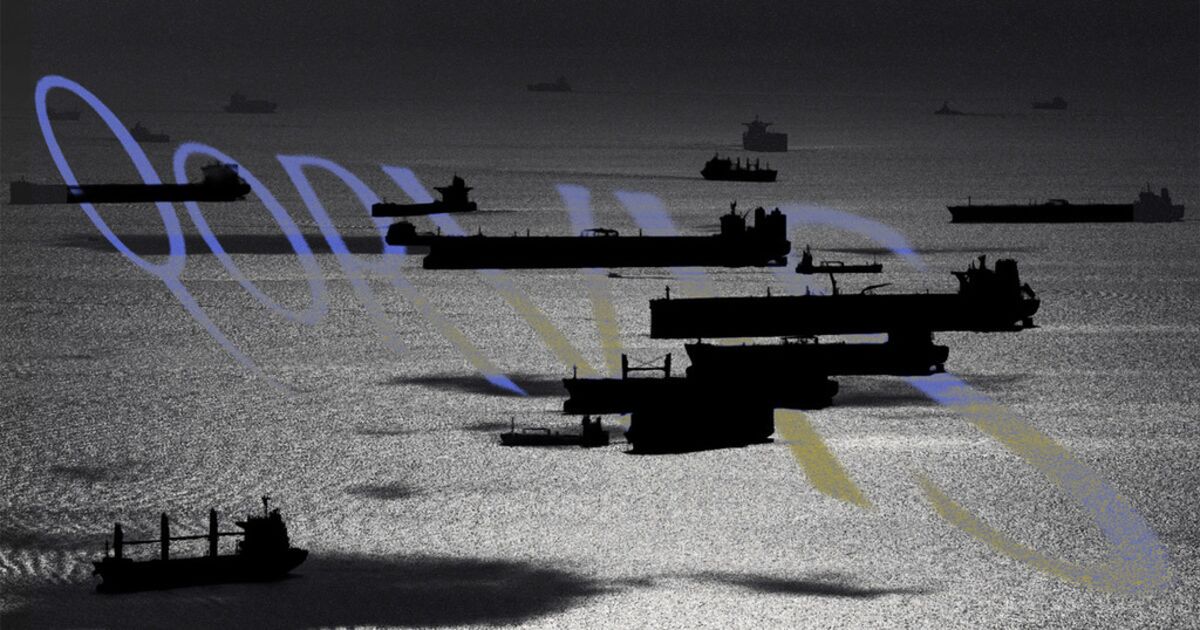
With oil prices rising above $100 per barrel amid the Iran war, lobbying firm Qorvis urged the Trump administration to ease certain Iran and Russia sanctions to stabilize markets. Treasury subsequently issued short-term waivers for the sale and offloading of Iranian and Russian oil stranded on tankers, temporarily easing supply constraints. The move drew criticism for potentially benefiting sanctions-busting “dark fleet” shippers, though some Asian nations supported the relief.
Analysis
The investable variable is not the lobbying controversy but whether the waivers convert into a repeatable sanctions-enforcement carveout. A one-off release of stranded barrels may cap prompt crude and narrow physical differentials without materially changing global supply; a broader or renewed framework would lower the geopolitical risk premium embedded in Brent and weigh most heavily on high-beta US upstream equities (XOP, OIH) rather than diversified majors. The immediate transmission should be through front-month oil and time spreads, not a sustained decline in long-dated crude.
Refiners are the cleaner relative beneficiaries if incremental sanctioned barrels reach Asian markets and displace Atlantic Basin supply: lower feedstock costs improve margins before retail fuel pricing fully adjusts. VLO and MPC offer better direct exposure than airlines, whose benefit is diluted by capacity discipline and demand uncertainty. Conversely, legalized cargo discharge could release vessels tied up in floating storage, increasing effective tanker supply and pressuring spot freight; this is a near-term negative for crude-tanker operators FRO and STNG if the waiver is large enough to free meaningful fleet capacity.
Consensus may overstate the bearish oil implication. Sanctioned flows already clear at substantial discounts through opaque logistics, so the incremental physical-barrel effect may be modest; the more important consequence is reduced enforcement risk and lower freight/insurance friction. The thesis is falsified if OFAC limits the action to specifically identified cargoes with no extension, or if conflict-related production and transit disruption exceeds released inventory—conditions under which prompt Brent, backwardation and tanker rates should resume rising together within days.
Over 1-3 months, monitor waiver duration, covered volumes, Brent prompt-vs-sixth-month spread, Dubai/Brent spread, and VLCC rates. A sustained narrowing in prompt spreads alongside weaker tanker rates would confirm that the policy is relieving logistical bottlenecks rather than merely changing legal ownership of already-marketed barrels.
AllMind Terminal
AI-powered research, real-time alerts, and portfolio analytics for institutional investors.
Request TrialMarket Sentiment
Overall Sentiment
mildly negative
Sentiment Score
-0.35
Key Decisions for Investors
- Do not establish a directional oil position solely on the initial waiver headlines; set an alert for published OFAC scope, volume, and expiration. Treat a renewable 60-90 day authorization as confirmation of a bearish prompt-crude catalyst, while cargo-specific relief is not actionable.
- Conditional 1-3 month pair: long VLO / short XOP after Brent prompt backwardation narrows materially for five trading days and refinery cracks remain stable. Target 8-12% relative upside; exit if Brent front-month rises above the pre-waiver high or VLO cuts throughput/guidance.
- Use FRO or STNG as a tactical short/watch item only if VLCC spot rates fall at least 15% after discharge activity begins and vessels demonstrably exit floating storage. Risk is asymmetric: renewed enforcement or disrupted export routes can rapidly tighten tanker availability and reverse the trade.
- For existing energy exposure, favor integrated majors (XOM, CVX) over high-beta E&P (XOP) during the 1-3 month policy-resolution window; downstream and trading businesses cushion a modest crude pullback, while E&P multiples remain most exposed to geopolitical-premium compression.
More News
- Iran says won’t allow US warships to get close as Trump ponders new attacks
- American embassies tighten security as Iran threat warnings intensify ahead of U.S. midterm elections
- France’s latest debt warning describes a country where governance is breaking down — and even doing too little, too late is barely possible
- Israelis hold final rally against Netanyahu ahead of what may be the most consequential election in the country’s history
- AI funding fears rattle Wall Street. Here's how we're adjusting our portfolio
- Sudan’s soaring fuel prices make getting by harder for workers
From AllMind Research
- Anthropic IPO Preview: Valuation, Timing, and What to Watch
- Shein After the IPO: Venue, Valuation, and What Must Be Proved
- What AI Research Tools Should a Small Hedge Fund Buy First?
- The $4.7 Trillion Bet: When Does AI Capex Become AI Revenue?
- Equity Research Automation Statistics: A 2026 Evidence Check