
Bisedge Secures €10 Million Long-Term Loan from Finnfund to Expand Electric Intralogistics Fleet in Nigeria and East Africa
Source: PR Newswire
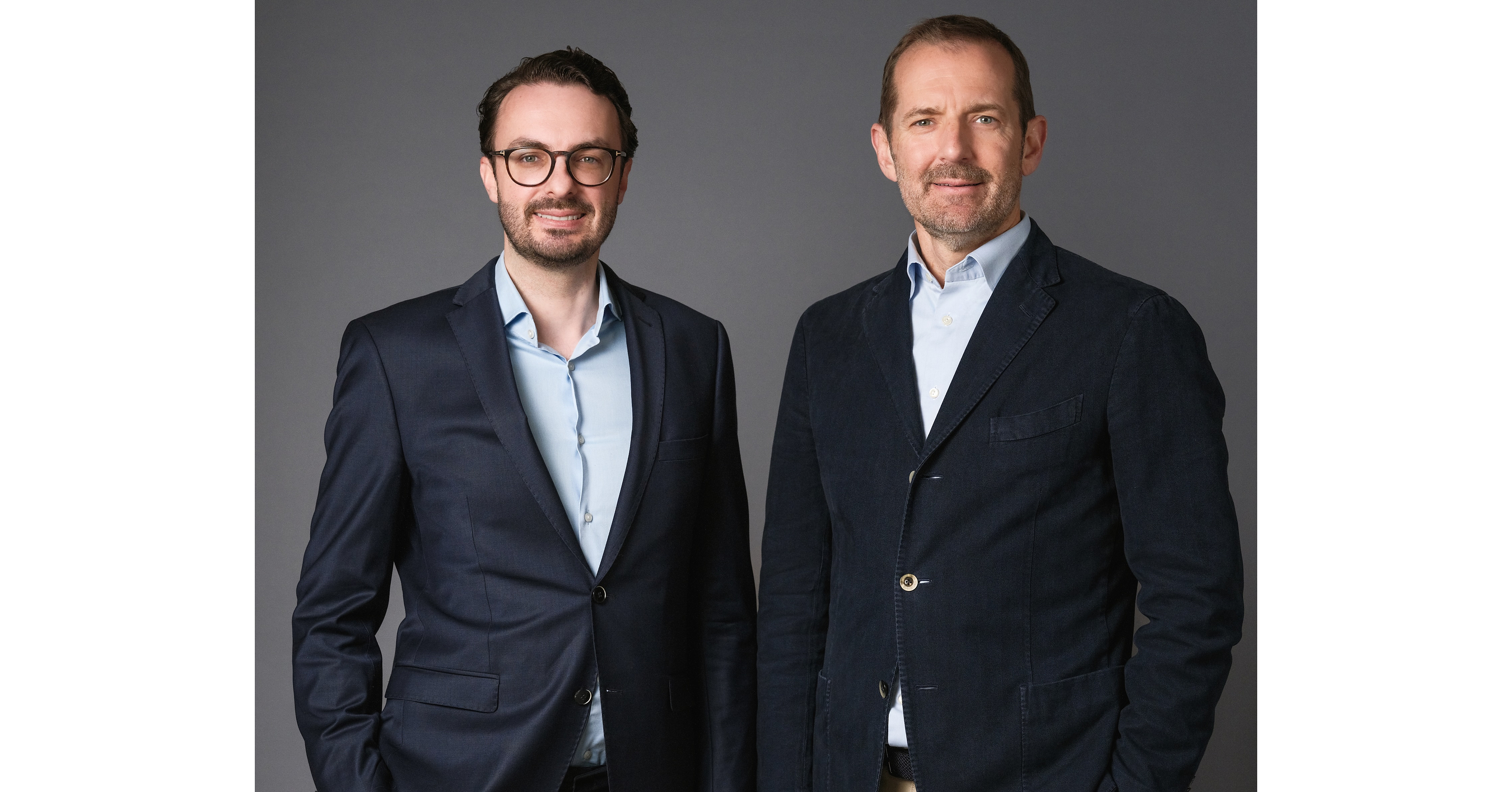
Bisedge secured a €10 million long-term loan from Finnfund to expand its electric material-handling fleet, particularly in Nigeria and East Africa, following a recent equity investment from Metier Private Equity. The financing supports the company’s equipment-as-a-service model, which aims to reduce customers’ upfront costs and emissions while improving intralogistics efficiency.
Analysis
The financing matters less as an equipment-demand signal than as a test of whether asset-heavy “equipment as a service” can scale in markets where customers may resist upfront capex. If contracts reliably recover fleet costs and maintenance while keeping equipment utilized, Bisedge can turn customer capex into recurring service revenue; if utilization, collections, or uptime disappoint, the same model concentrates residual-value and operating risk on the fleet owner. Linde Material Handling could benefit through equipment placements and follow-on parts/service demand, but the announcement provides no order commitment or earnings bridge. Toyota Industries and Jungheinrich are plausible competitive reference points, not demonstrated losers.
The key second-order risk is currency and funding mismatch: euro-denominated debt against naira- or other local-currency cash flows could pressure debt service if unhedged. Longer tenor may reduce refinancing pressure, but does not remove FX, import, power-reliability, or customer-credit risks. Verify currency denomination/hedging, facility drawdown terms, fleet utilization, contract pricing and collections before underwriting economics.
Near term, this is a modest positive validation signal for private-market climate finance, not a public-equity catalyst with a measurable earnings impact. Over 1–3 months, watch for fleet deployment, customer wins and evidence of financing terms; over 6–18 months, the decisive test is whether utilization and cash collection support expansion without repeated equity or debt raises. The contrarian risk is treating electrification as automatically cheaper: unreliable charging or battery/service downtime could erase customer savings and weaken renewals. No direct listed exposure is established by the supplied identities; avoid inferring a trade in Linde’s manufacturer or competitors from this financing alone.
AllMind Terminal
AI-powered research, real-time alerts, and portfolio analytics for institutional investors.
Request TrialMarket Sentiment
Overall Sentiment
moderately positive
Sentiment Score
0.45
Key Decisions for Investors
- No immediate public-equity trade: Bisedge is private and the announcement does not quantify equipment orders, revenue contribution, or earnings impact for Linde Material Handling.
- Add Bisedge to a private-markets watchlist; seek verification of loan currency and hedging, drawdown schedule, fleet utilization, customer payment performance, and contract renewal economics before treating the expansion as self-funding.
- Monitor Linde Material Handling’s parent and competing equipment makers for separately disclosed African orders or service growth; consider exposure only if those disclosures establish material revenue contribution rather than relying on this announcement.
- Falsification/watch trigger: evidence of local-currency depreciation without effective hedging, delayed customer collections, weak fleet uptime/utilization, or repeated external funding needs would undermine the scale-up thesis; confirmed multi-country deployment with durable contract renewals would strengthen it.
More News
- Anthropic's third-quarter revenue is said to hit $16.8 billion ahead of IPO
- Why is Samsung Electronics stock plunging today?
- Elon Musk says Trump is 'ultimately' responsible for any curbs on Ukraine's Starshield systems
- SK Hynix seeks U.S. chip equipment exports to China tied to new factory
- Container ship sinks in Strait of Hormuz as Iran steps up attacks
- Dell stock plunges 11%, leading data center sell-off on concerns about 'enterprise AI timing'