
EVIDENT erweitert sein Pramana-Portfolio für digitale Pathologie, um kleine und mittelständische Labore zu unterstützen.
Source: PR Newswire
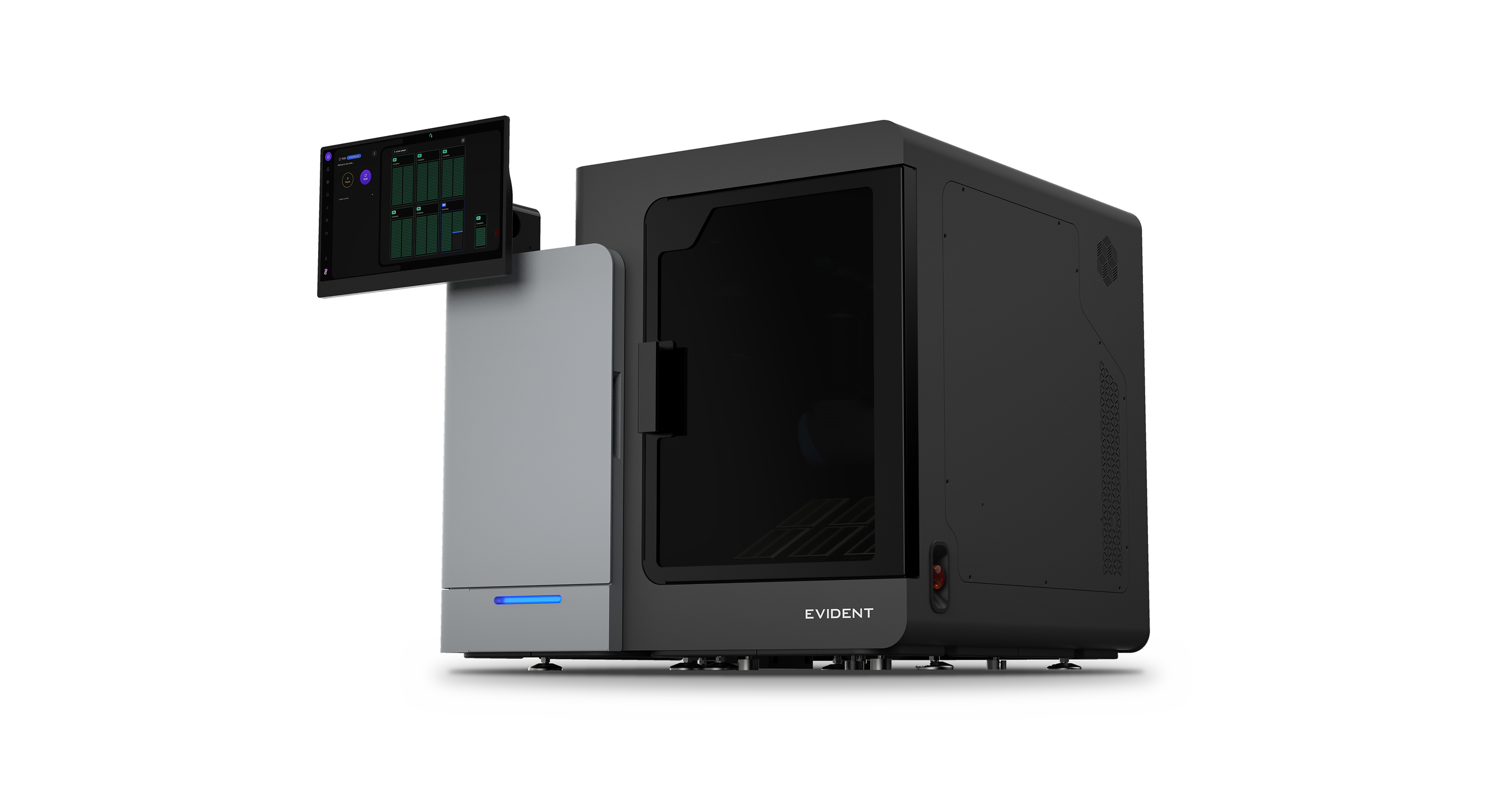
Evident launched the Pramana POD, a tabletop whole-slide imaging scanner designed to make autonomous digital pathology more accessible to small and midsize laboratories. It offers true 40× magnification and scans 25 slides per hour under defined conditions, with automated imaging and integrated image-quality assessment. The announcement provides no pricing, sales outlook, or financial guidance; clinical use remains subject to regulatory approval and varies by country.
Analysis
This is a product-positioning signal, not yet evidence of a material earnings inflection. A smaller-footprint, more autonomous scanner could lower the staffing and workflow hurdles for digitization at smaller labs; if validated in routine use, that broadens the addressable customer pool for digital pathology platforms and downstream image-management and AI vendors. It may pressure established scanner vendors such as Leica Biosystems and Hamamatsu on usability and entry-level deployments, but switching costs, installed systems, service coverage, and lab-software integration could blunt displacement.
The key constraint is regulatory scope: the release says the product is for research use and not diagnostic procedures, with clinical availability subject to approval. Therefore, near-term uptake may be limited to research or non-diagnostic workflows; clinical volumes depend on approvals, validation, interoperability, and whether throughput and image quality hold across real-world specimen mixes. The stated performance is conditional, and no pricing, orders, installed-base conversion, or revenue contribution is provided.
Over days, likely little fundamental repricing absent a separately traded, identified issuer. Over 1–3 months, look for regulatory and channel updates, customer deployments, and evidence of paid adoption. Over 6–18 months, the broader opportunity is workflow digitization, but commoditization could shift value from scanner hardware toward software, data management, and AI. The contrarian risk is that easier scanning is mistaken for easier digitization: lab integration and clinical validation, rather than imaging hardware, may remain the binding constraints.
AllMind Terminal
AI-powered research, real-time alerts, and portfolio analytics for institutional investors.
Request TrialMarket Sentiment
Overall Sentiment
mildly positive
Sentiment Score
0.25
Key Decisions for Investors
- No trade on the announcement alone: company identity, public-market exposure, pricing, and commercial uptake are not established in the supplied data.
- Treat Leica Biosystems and Hamamatsu as competitive watch items, not automatic shorts; seek evidence of lost placements, discounting, or reduced scanner guidance before expressing a relative-value view.
- Monitor for independent confirmation of paid deployments, customer retention, workflow integration, and regulatory status. A launch announcement without these would falsify the near-term adoption thesis.
- Reassess the longer-term opportunity if clinical-use approvals and repeatable lab economics emerge; absent that, frame this as incremental research-market competition rather than a broad digital-pathology catalyst.
More News
- AI rapidly improving, could vastly boost U.S. GDP, Anthropic's Clark tells policymakers
- Nasdaq Index: AI Selloff Deepens as Chips and CoreWeave Break
- ‘How many canaries have we killed in the coal mine?’ — Wall Street debates if the latest AI bubble warnings are another head fake or the real thing
- Bending Spoons wants to revive software castoffs. Berkshire is backing the plan
- Christine Lagarde: IMFC Statement
- Semiconductor market to remain solid ‘at least through next year,’ South Korea finance minister says