
Bestzyme Launches World's First Dedicated, Automated Smart Production Line for Sweet Proteins in Jinan
Source: PR Newswire
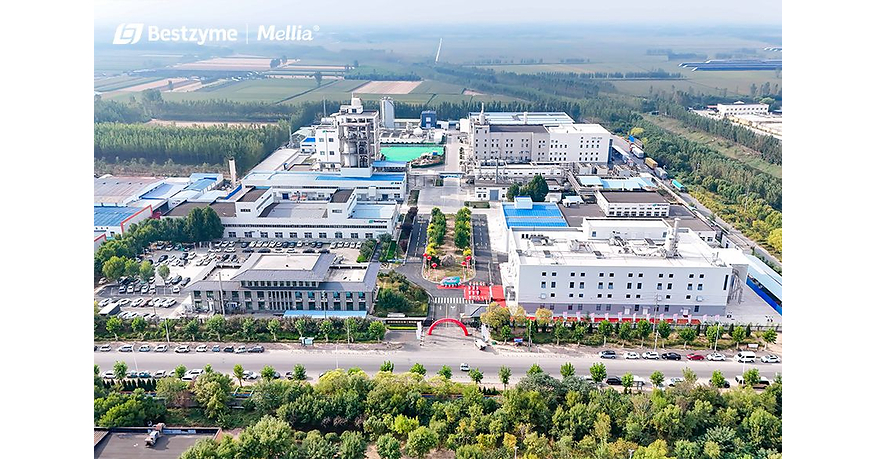
Bestzyme, a GenScript Biotech unit, completed a 5,000-square-meter automated Jinan production line for Mellia® Brazzein sweet protein with planned annual capacity above 100 tons, equivalent to the sweetness of roughly 300,000 tons of sucrose. The company says capacity could double within two years, supporting commercialization of zero-calorie, non-glycemic sweeteners for food and beverage applications. Mellia® received an FDA GRAS “No Questions Letter” in April 2025 and has already launched with a U.S. sparkling-water partner, positioning Bestzyme to scale in the natural sugar-reduction market.
Analysis
The investable read-through is narrow: GenScript Biotech (1548.HK) gains an option on higher-value food ingredients, but the relevant question is whether sweet proteins can clear beverage-formulation economics rather than whether nameplate output is technically achievable. Sweetness-equivalent capacity materially overstates revenue potential because dosage rates are tiny; adoption depends on delivered cost per unit sweetness, stability across pH/heat systems, and whether customers accept multi-ingredient formulations. Until customer contracts, realized utilization, and gross-margin disclosure emerge, this should not drive a material earnings revision.
If commercialization scales, the pressure falls first on premium natural sweetener suppliers and formulation incumbents rather than bulk sugar producers. Ingredion (INGR), Tate & Lyle (TATE.L), and IFF (IFF) could face modest pricing pressure in high-end zero-sugar beverages, where taste masking and blend optimization are key sources of margin; conversely, these groups may become channel partners or acquirers if the ingredient proves formulation-ready. The larger second-order opportunity is for beverage brands to reduce reliance on volatile sugar inputs while preserving “natural” positioning, but reformulation cycles and retailer resets make this a 6-18 month effect, not a near-term volume event.
Consensus risk is likely to extrapolate regulatory clearance and pilot validation into rapid category conversion. Sweet proteins have historically faced scale-up, purification-cost, and sensory-aftertaste constraints, while incumbent stevia/monk-fruit blends benefit from entrenched supply chains and customer qualification. The thesis is falsified positively by disclosed multi-year offtake agreements, utilization above 50%, and ingredient gross margins consistent with specialty enzymes; it is falsified negatively by delayed launches, customer concentration, or pricing that requires subsidy versus established blends.
AllMind Terminal
AI-powered research, real-time alerts, and portfolio analytics for institutional investors.
Request TrialMarket Sentiment
Overall Sentiment
strongly positive
Sentiment Score
0.58
Key Decisions for Investors
- No immediate directional position in 1548.HK: treat this as a 1-3 month diligence watch item, not an earnings catalyst, until management discloses line utilization, realized selling price per kilogram, production yield, and contracted customer volume.
- Monitor 1548.HK for a long entry only after two independent commercial launches and evidence that ingredient revenue can move consolidated estimates; use a 10-15% downside stop from entry, as the current disclosure does not establish revenue or margin contribution.
- Watch INGR, TATE.L, and IFF for incremental risk rather than short them: a broad sweet-protein adoption signal would be two or more major beverage reformulations or reported natural-sweetener price concessions over the next 6-18 months. Absent that evidence, incumbent distribution and application labs remain stronger competitive moats.
- For consumer exposure, screen KO, PEP, KDP, and MNST product pipelines for zero-sugar launches using novel sweet-protein blends; a successful national rollout could be modestly margin-positive through lower sugar exposure, but formulation and marketing claims require brand-specific verification before positioning.
More News
- Wall Street’s Nasdaq hits all-time high as AI frenzy gathers pace
- Data-Center Bet Makes ESDS One of India’s Best New Listings
- Asia stocks ride tech wave higher, oil stays subdued
- South Korean solar stocks jump as curbs on Chinese sector expected to remain in place
- Trump Says US Team Met With Iranians at UNGA
- U.S. regulators rush to write crypto rulebook after Clarity Act stalls in Senate