
Experts Say More Research Is Needed to Understand Effects and Benefits of Distributing Free Period Products
Source: PR Newswire
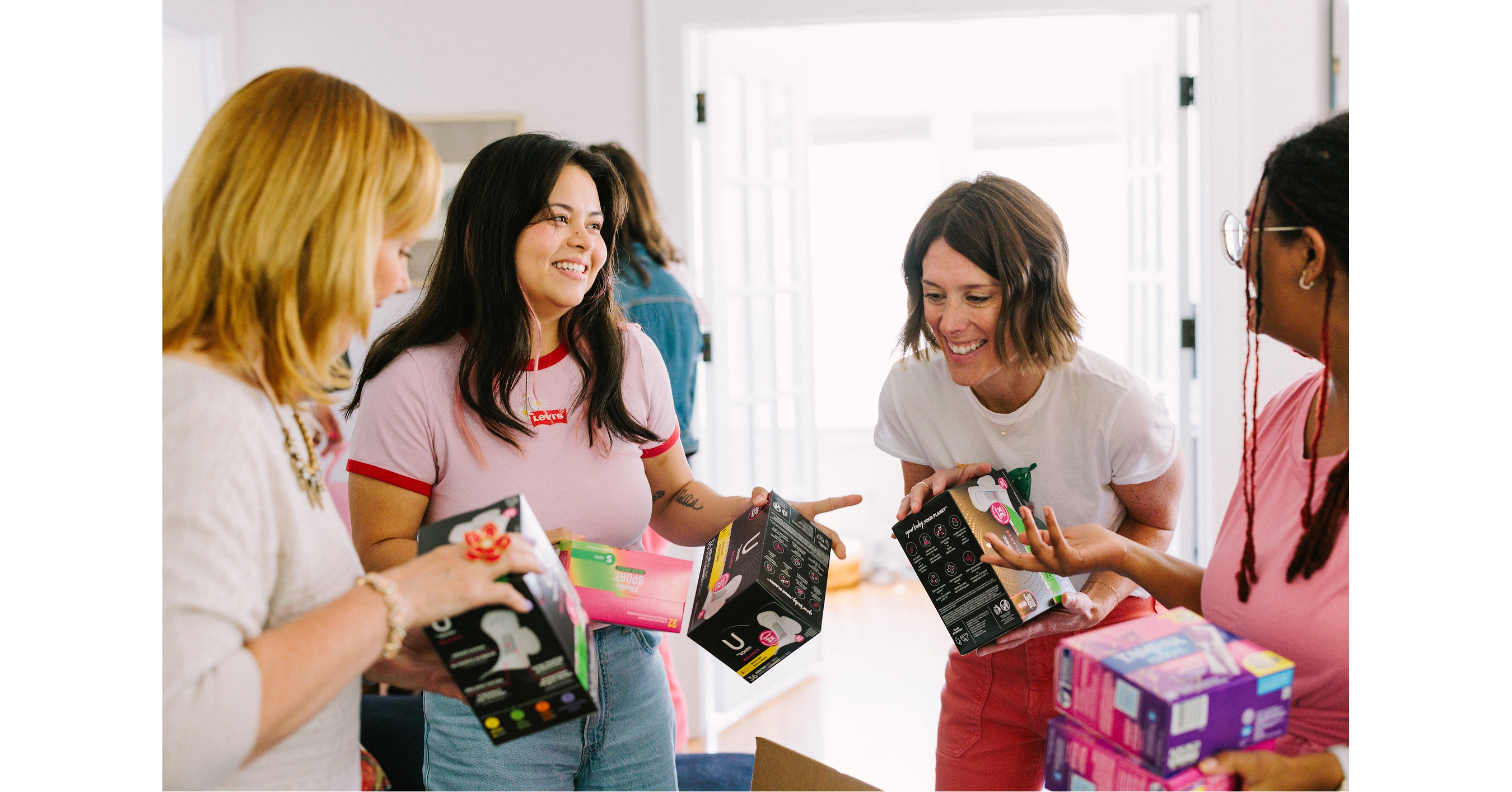
A panel of experts says further research is needed to quantify the effects and benefits of providing free period products, including impacts on health and participation in work and school. The Alliance for Period Supplies network distributed more than 50 million products in 2025 through programs serving communities nationwide; the report calls for comparative evaluations of programs and tailored approaches.
Analysis
The investable implication is not a near-term demand shock for Kimberly-Clark (KMB), but a possible change in how public and nonprofit buyers justify and procure products. A common outcome measure could make state and institutional programs easier to compare, supporting durable budgets where results are demonstrated—but also exposing ineffective programs to cuts. If procurement expands, standardized tenders may favor suppliers able to meet volume, reliability, and reporting requirements, while price competition could limit unit economics. Kimberly-Clark’s Kotex association may provide visibility, but the article does not establish that it translates into material sales or margin contribution; larger consumer-market competitors could pursue the same institutional channels.
Near term, this is primarily a research and advocacy catalyst, not an earnings catalyst. Over 1–3 months, monitor state budget decisions, school/prison procurement notices, and whether the working paper leads to funded comparative studies. Over 6–18 months, replicated evidence of improved attendance or health outcomes could support broader mandates and recurring purchasing; weak or inconsistent results could constrain expansion. The contrarian point is that more research is not automatically bullish: formal evaluation can strengthen the case for provision, but can equally raise the evidentiary bar for programs and shift awards toward lower-cost vendors. No company-specific revenue sensitivity is established, so the signal is too small for a directional KMB trade absent procurement or guidance evidence.
AllMind Terminal
AI-powered research, real-time alerts, and portfolio analytics for institutional investors.
Request TrialMarket Sentiment
Overall Sentiment
neutral
Sentiment Score
0.05
Key Decisions for Investors
- No immediate KMB position change on this item; treat it as a low-confidence policy optionality signal rather than an earnings estimate.
- Track state and institutional procurement awards, funding appropriations, and any published study linking provision to measurable outcomes; these are the indicators that could convert advocacy into recurring demand.
- If mandates expand, assess KMB alongside Procter & Gamble and Edgewell Personal Care for evidence of contract wins, product mix, and pricing—not merely sponsorship or brand presence.
- Falsify the constructive longer-term thesis if comparative studies show no durable participation or health benefit, or if program budgets and procurement volumes fail to expand; reassess any positive KMB view if management identifies institutional demand as material.
More News
- Elon Musk blames Indian 'oligarchs' for stalling Starlink launch
- High Court coal decision, Firmus IPO, diesel prices
- EU-China trade talks begin in Beijing amid escalating pressure
- FCC to vote on auctioning 25MHz of 'prime spectrum' in move that could benefit Amazon, SpaceX
- Australia’s AI Boom Faces Scrutiny After OpenAI Medicare Breach
- Why Paramount-Warner merger has sparked fears about press freedom