
Treasuries Slide After Middle East Strife Report Spurs Oil Gains
Source: Bloomberg
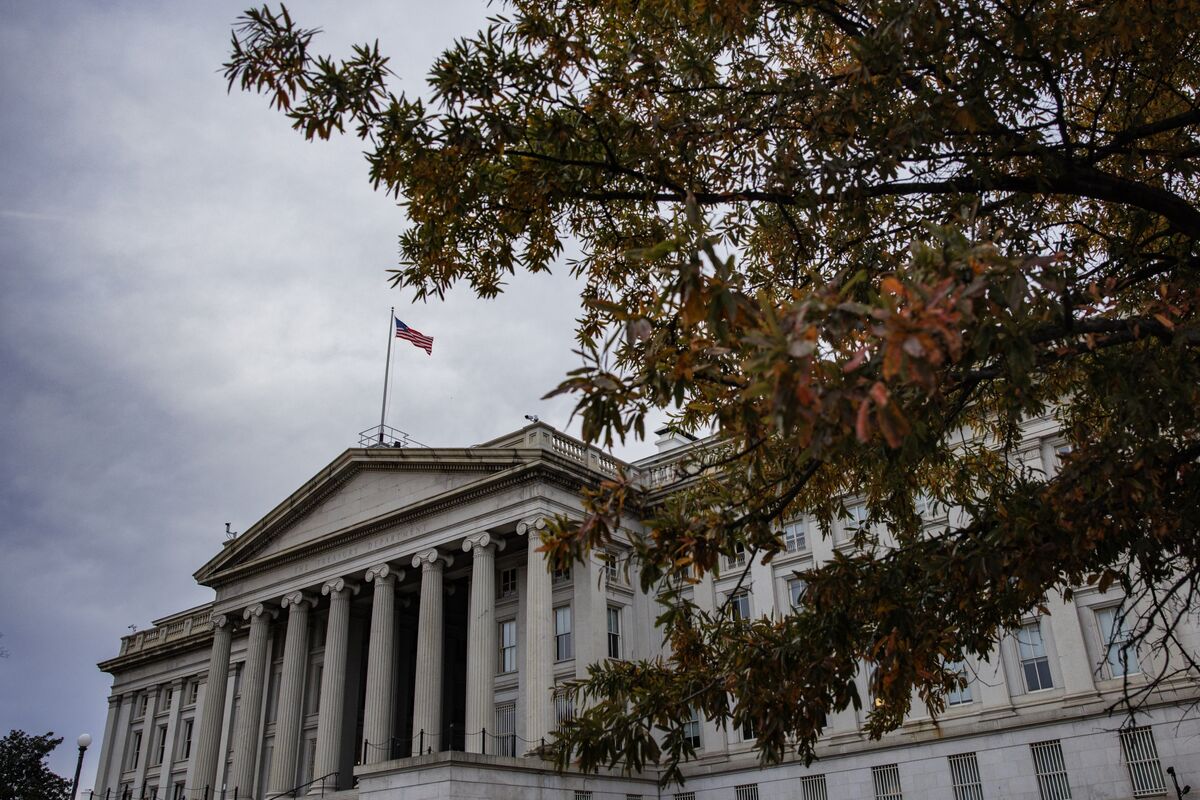
Reports that the Middle East war is heating up lifted oil prices and pushed Treasuries lower, with yields reaching session highs and short-term maturities rising most. The 2-year yield climbed as much as 5 basis points to 4.83%, its highest level in a week, while the US dollar strengthened.
Analysis
The key transmission channel is not the initial Treasury move but whether oil strength persists long enough to alter expected Fed easing. A sustained energy shock can lift near-term inflation compensation and keep front-end yields elevated; if it instead tightens financial conditions and weakens demand, the growth impulse may eventually pull longer yields down. That divergence argues against treating a single-session selloff as a clean bearish signal for the whole curve. The stronger dollar is also a potential partial offset to imported inflation, while tighter conditions can pressure risk assets and credit if the repricing broadens.
Over days, headline-driven oil and rates volatility is likely to dominate; avoid chasing the initial move absent confirmation in crude and inflation pricing. Over 1–3 months, monitor oil persistence, inflation breakevens, and Fed communication for evidence that policy expectations are shifting. Over 6–18 months, repeated supply disruptions could make inflation risk premia more durable, but that thesis is falsified by de-escalation and a sustained oil retreat. The report alone does not establish a lasting supply impairment or a change in the Fed’s reaction function.
AllMind Terminal
AI-powered research, real-time alerts, and portfolio analytics for institutional investors.
Request TrialMarket Sentiment
Overall Sentiment
mildly negative
Sentiment Score
-0.15
Key Decisions for Investors
- Do not add outright short-Treasury risk solely on this report. Watch whether front-end yields remain elevated alongside oil and short-dated inflation compensation; if both reverse, the initial rates move is vulnerable to retracement.
- For a defined-risk event hedge, consider a small position in near-dated crude call spreads rather than unhedged energy exposure. Exit or avoid adding if oil gives back the event premium and tensions de-escalate; verify contract liquidity and current implied volatility before entry.
- Prefer relative-value monitoring over a broad duration call: a persistent oil shock with front-end repricing but resilient long-end yields would support a flatter-curve expression, while a growth scare and falling long yields would invalidate it. Confirm with curve levels and inflation pricing before positioning.
- Treat the dollar strength as a short-horizon hedge, not yet a durable FX trend. Reassess if Treasury yields reverse or geopolitical risk fades; a sustained move in rate differentials would be needed to support a stronger directional USD view.
More News
- The U.S. market has never been more focused on one single bet—but AI’s payoff will likely take decades
- Russian Drones Are Already Killing People Within EU Territory
- Jio IPO Sees Overwhelming Demand on Day One Even as Nifty Struggles
- Why the stock market’s fragile calm faces a major test starting Friday
- One killed, eight injured in attack on Saudi Arabia’s King Fahd airport
- CoreWeave’s market confidence erodes as bond yields spike and stock sinks
From AllMind Research
- Anthropic IPO Preview: Valuation, Timing, and What to Watch
- Shein After the IPO: Venue, Valuation, and What Must Be Proved
- What AI Research Tools Should a Small Hedge Fund Buy First?
- Capital Intensity as Gravity: The AI Trade Enters Its Industrial Era (Looking at Q3 2025 Earnings in Tech)
- AI Portfolio Monitoring: Build an Alert Policy Analysts Can Audit