
Novelis Expands Aluminum Solutions for Growing Battery and Energy Storage Markets
Source: PR Newswire
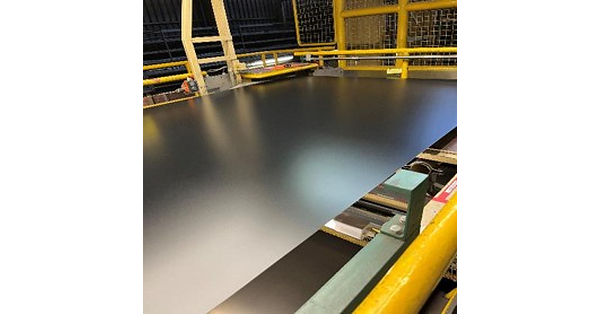
Novelis expanded its advanced coated aluminum portfolio for EV battery and stationary energy-storage applications, using automotive-grade sheet and water-based coatings proven on its German production line. The materials are designed to improve corrosion protection, formability and electrical insulation while reducing manufacturing steps, including external lubrication and e-coating. The launch also emphasizes high-recycled-content, low-carbon aluminum and closed-loop recycling; Novelis generated $17.1 billion in fiscal 2025 net sales.
Analysis
This is strategically relevant but not yet an earnings event: qualification cycles for battery-pack materials are typically 12-24 months, and incremental volume will be immaterial until OEM and cell-maker platforms move from validation to series production. The economic value lies less in aluminum tonnage than in converting a commodity sheet sale into a coated, specification-controlled product, which can improve mix and customer switching costs if performance is validated at scale.
The principal second-order pressure falls on standalone coating, lubrication and e-coat process providers: an integrated coil solution can remove manufacturing steps, lower scrap risk and reduce plant capex for pack assemblers. Constellium (CSTM), Alcoa (AA) and Norsk Hydro (NHYDY) face a competitive response requirement in higher-value battery sheet, but their exposure differs: firms with recycling access and localized automotive finishing capacity can defend margins; primary-metal-heavy producers remain more exposed to aluminum-price volatility than to this product trend.
Hindalco (NSE: HINDALCO), as Novelis' parent, has the clearest strategic read-through, but the release provides no contracted volumes, pricing premium, capacity allocation or customer qualification data. Consensus may overvalue the ESG narrative while underweighting the bottleneck: battery-enclosure demand depends on EV and stationary-storage build rates, while steel, composites and increasingly cell-to-pack designs remain viable substitutes. Near-term upside requires disclosed wins or coated-product capacity utilization; absent those, this is a watch item rather than a catalyst-driven trade.
A more durable implication over 6-18 months is that low-carbon recycled-metal availability could become a procurement advantage rather than a marketing differentiator, particularly for European OEMs facing embedded-carbon requirements. That advantage can reverse if scrap spreads widen, recycled-content quality limits restrict battery-grade output, or EV production schedules are cut—each would dilute the expected value-added mix benefit before it reaches reported margins.
AllMind Terminal
AI-powered research, real-time alerts, and portfolio analytics for institutional investors.
Request TrialMarket Sentiment
Overall Sentiment
mildly positive
Sentiment Score
0.38
Key Decisions for Investors
- No immediate directional trade on the release alone; set an alert on HINDALCO for customer nomination, dedicated coated-capacity expansion, or disclosure of value-added-product mix. Upgrade to a long only if management indicates contracted volume and a pricing premium sufficient to offset aluminum-price pass-through volatility.
- Monitor a 6-12 month relative-value basket: long HINDALCO versus short AA only after evidence that coated/recycled automotive products are growing faster than primary aluminum earnings. The thesis is mix and downstream-margin resilience; falsify if Hindalco's downstream EBITDA margin fails to improve while aluminum prices remain stable.
- Use CSTM as a competitive watch rather than a short: evidence of OEM qualification wins by integrated rivals without a matching CSTM battery-material program would create downside risk to its automotive-growth multiple. Do not position until program timing and customer concentration are visible.
- Track European EV production revisions, battery-pack architecture shifts, and aluminum scrap spreads monthly. A meaningful EV build cut or sustained widening in scrap premia would weaken the 12-24 month adoption thesis and argues against paying a premium for circular-material exposure.
More News
- Italy to deploy warships to protect shipping through Bab al-Mandeb
- Oil prices fall as Saudi supply hopes outweigh fresh Houthi strikes
- Oil prices fall for 3rd day as supply concerns ease, diplomacy in focus
- Oil Traders Stymied by Iran War Stalemate: Evening Briefing Americas
- Saudi Pivots Oil Routes After Pipeline Attack
- This AI-picked stock jumps 18% on Amazon’s $8 billion power deal
From AllMind Research
- Anthropic IPO Preview: Valuation, Timing, and What to Watch
- Shein After the IPO: Venue, Valuation, and What Must Be Proved
- What AI Research Tools Should a Small Hedge Fund Buy First?
- Weekly Update: AI-Powered Report Editing, Investor Relations, and Enhanced Search
- Automating Financial Model Updates: A Source-Controlled Workflow