
PMET Successfully Completes Phase 2 Caesium Testwork Program with Koch Technology Solutions
Source: PR Newswire
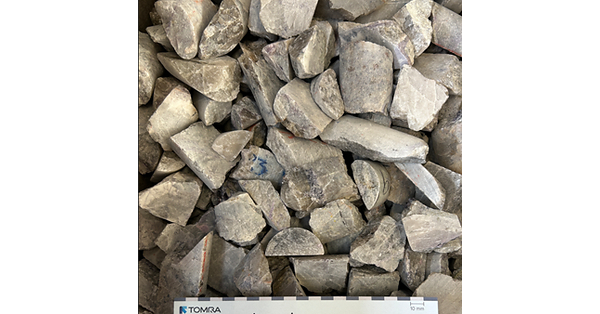
PMET completed Phase 2 bench-scale testwork with Koch Technology Solutions, demonstrating a potentially simpler, highly selective process to produce multiple high-purity caesium products from its Shaakichiuwaanaan pollucite concentrate. The company plans a larger proof-of-concept program targeting gram-scale marketable products and preliminary OPEX/CAPEX assessment, supported by a planned >500 kg to >1 tonne concentrate sample. The result could improve the economics of the project’s caesium by-product stream ahead of a Preliminary Economic Assessment targeted for Q4 2026, although commercial-scale validation remains outstanding.
Analysis
The market should not capitalize this as a new earnings stream yet: the technical result remains pre-commercial, lacks recoveries, reagent intensity, throughput, product specifications, and independently benchmarked unit costs. Its relevance is instead to PMET's lithium valuation—credible co-product optionality could lower the effective lithium cost curve and support project financing, but only after a PEA translates chemistry into an attributable NPV. In the next days, this is likely a retail/liquidity catalyst rather than an institutional re-rating.
The central economic risk is market depth, not geology. A high-purity chemical route can improve realized pricing, but a concentrated, opaque caesium market means even modest new supply may require long-term offtake agreements and could clear at a discount to indicative spot references; maximizing volume could therefore destroy the scarcity premium. Koch's involvement de-risks process-development credibility, but does not establish an offtake, a licensing commitment, or EPC/risk-sharing capital. The more valuable read-through is strategic: verified commercial samples could attract specialty-chemical counterparties and make a separate processing JV more likely, preserving PMET capital for the core lithium build.
Catalyst path: the Q4 PEA is the first valuation event that matters, followed over 1-3 months by larger-scale sample results, recoveries, impurity data, and disclosed OPEX/CAPEX. A 6-18 month upside case requires binding offtake or a partner-funded downstream structure; absent either, investors should value caesium at a steep probability discount. Contrarian view: the headline may be underappreciated if caesium credits materially improve lithium project debt capacity, but it is more likely overinterpreted if the market annualizes an indicative specialty-chemical price without evidence of contracted demand.
AllMind Terminal
AI-powered research, real-time alerts, and portfolio analytics for institutional investors.
Request TrialMarket Sentiment
Overall Sentiment
moderately positive
Sentiment Score
0.42
Ticker Sentiment
Key Decisions for Investors
- Maintain PMET as a watch/accumulate-on-validation name rather than chase the release. Add only if the Q4 PEA discloses a caesium credit that improves project NPV or lithium-equivalent operating cost materially versus the lithium-only case, with funding assumptions intact.
- For a 1-3 month event position, use a small PMET long only after liquidity and valuation work confirms capacity; target the PEA/sample-validation catalyst and cap risk at a failure of marketable-sample production or no quantified cost/recovery disclosure.
- Require evidence of a binding caesium offtake, minimum-volume commitment, or partner-funded processing arrangement before assigning meaningful downstream value. A non-binding strategic discussion or further bench-scale success is not sufficient for a core position.
- Monitor lithium-price sensitivity and project-financing terms alongside caesium milestones. If the PEA relies on aggressive specialty-product pricing, uncontracted volumes, or incremental equity financing, treat any rally as an opportunity to reduce rather than add.
More News
- Wall Street’s Nasdaq hits all-time high as AI frenzy gathers pace
- Oil falls on increased Gulf supply and hopes for US-Iran talks
- Data-Center Bet Makes ESDS One of India’s Best New Listings
- Asia stocks ride tech wave higher, oil stays subdued
- South Korean solar stocks jump as curbs on Chinese sector expected to remain in place
- Latest Oil Market News and Analysis for Sept. 23