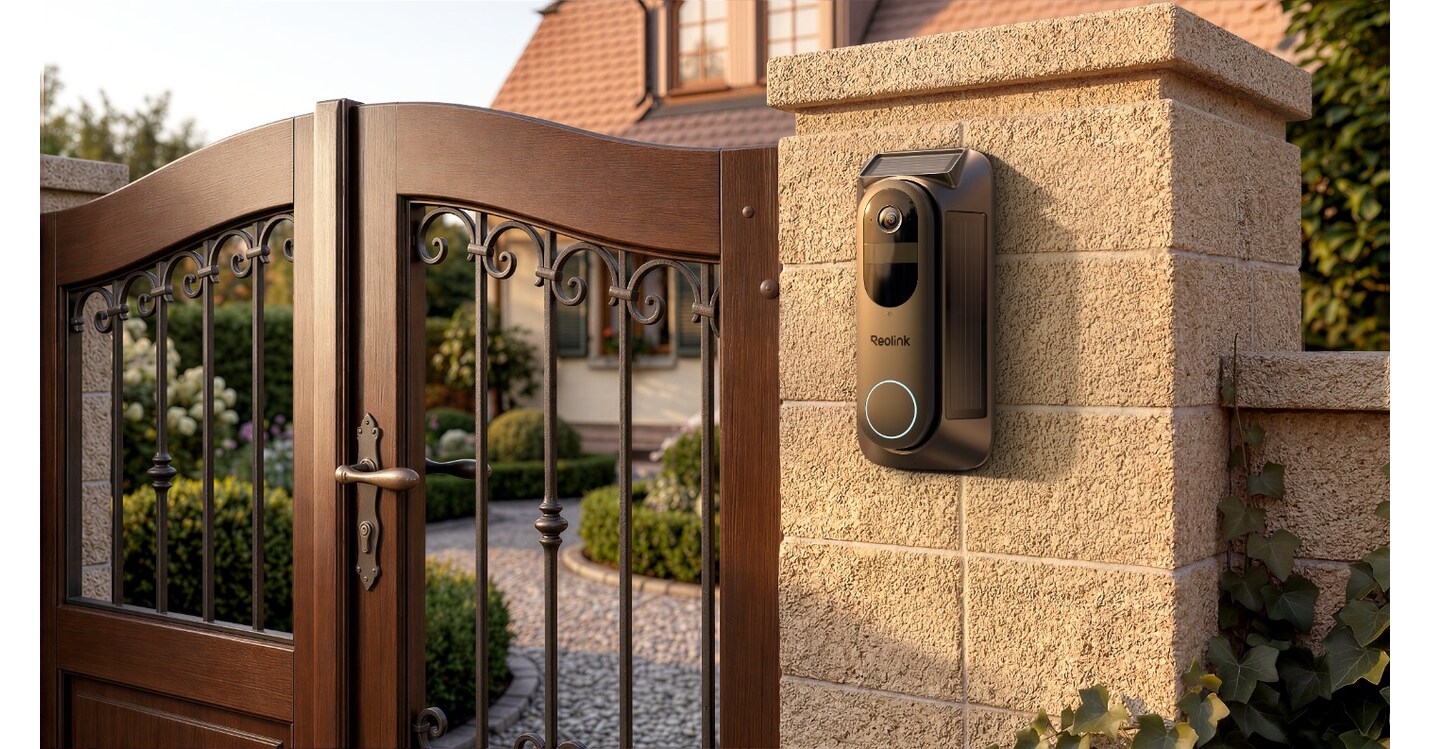
Reolink launched its Video Doorbell 2nd Gen for $149.99, highlighting up to 50% longer battery life (up to ~10 months) by using Qualcomm’s micro-power Wi‑Fi solution. The device adds a 4MP 1:1 head-to-toe 150°/150°/180° view, on-device local AI detection (people/vehicles/animals/packages) without a subscription, and optional wired 24/7 continuous recording with pre-recording. With no monthly fees via local microSD storage (up to 512GB) and added tamper-alert/voice-masking privacy features, the news is primarily a product expansion with limited direct market impact.
QCOM is the only name with a real economic lever here, and even that is more about roadmap validation than near-term dollars. The important signal is that low-power Wi‑Fi is becoming a feature enabler in battery-constrained edge devices; if that architecture keeps winning, it supports QCOM’s IoT attach rate and improves the quality of its non-handset mix. The longer-term implication is better pricing power in niche connectivity where battery life and always-on sensing are the purchase criteria, not raw throughput.
For AMZN and GOOGL, the issue is not immediate share loss but erosion of the subscription flywheel in smart-home security. Battery life plus local AI and local storage directly attack the most profitable parts of the Ring/Nest model: recurring cloud fees, upsell attachment, and ecosystem lock-in. Over 1-3 months this is mostly noise, but over 6-18 months a proliferation of subscription-free devices could force those platforms to subsidize hardware more aggressively or bundle more features for free, pressuring margins in a category that already competes on price.
The contrarian read is that the market may overstate how much this tells us about consumer demand and understate how small the TAM is relative to the mega-cap platforms. If QCOM doesn’t show follow-on design wins or IoT commentary in earnings, this remains a one-off press release. The thesis is falsified if QCOM’s IoT revenue and design-win pipeline do not inflect by the next two quarters, or if Ring/Nest maintain retention and ARPU despite wider availability of local-AI alternatives.
AI-powered research, real-time alerts, and portfolio analytics for institutional investors.
Overall Sentiment
mildly positive
Sentiment Score
0.25
Ticker Sentiment
