
xTool Unveils Major Atomm Upgrade, Introducing the World's First AI Creation Suite for Craft Makers
Source: PR Newswire
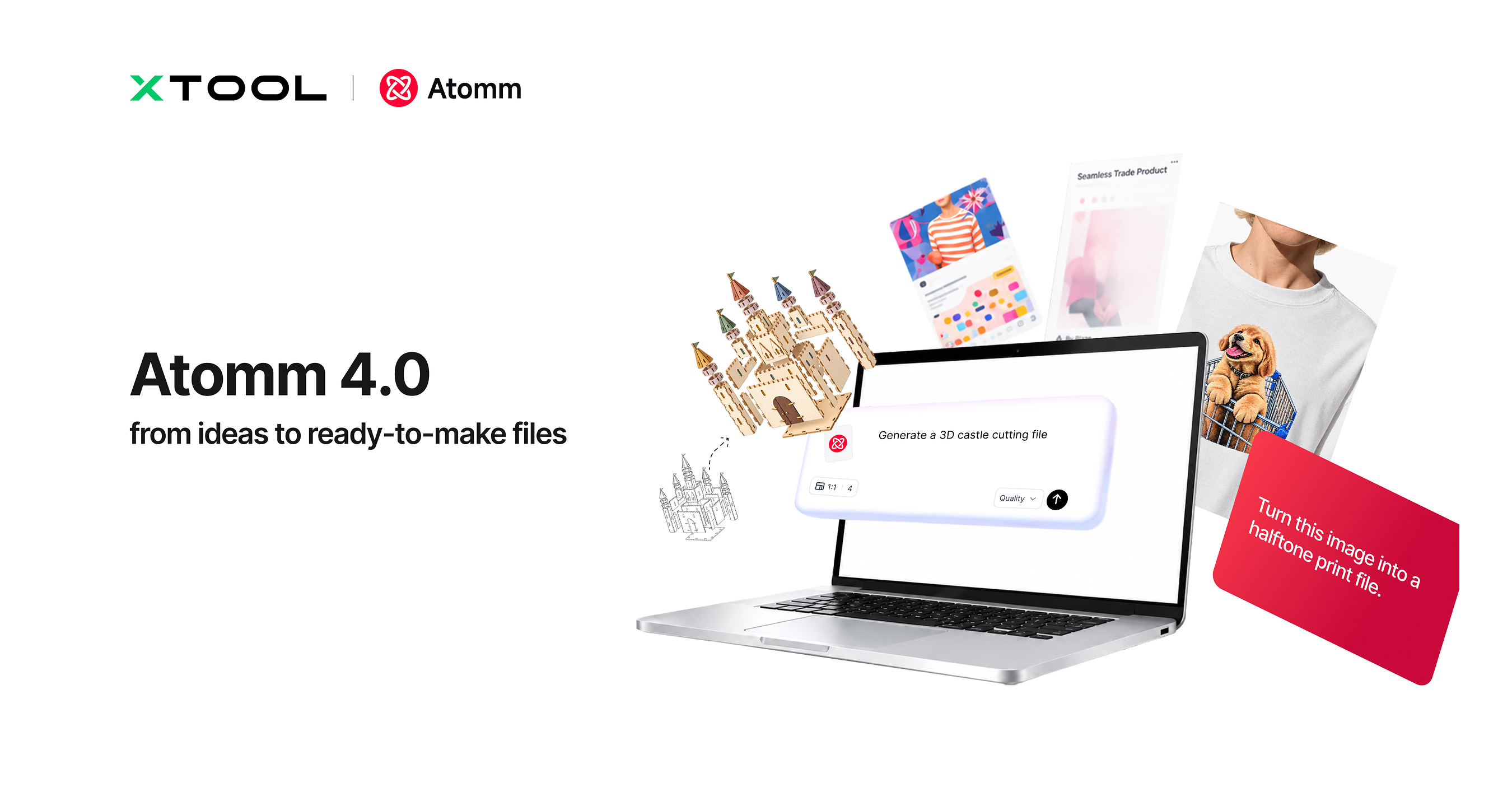
xTool launched a major upgrade to Atomm, positioning the platform as an AI-powered creation suite that converts natural-language design ideas into production-ready files for fabrication tools. The platform has 320,000 monthly active users, more than 16,000 contributing creators, nearly 100,000 shared projects, and over 2 million valid uses. xTool also committed at least $1 million to its Creator Program, offering creator revenue shares, developer usage commissions, and material-sale commissions of up to 30%.
Analysis
The investable read-through is primarily negative for CRICUT rather than a direct opportunity in xTool, which appears privately held. AI-assisted production-file generation lowers the skill and software friction that has historically protected Cricut’s installed-base ecosystem, particularly in higher-value projects where users otherwise rely on Design Space plus third-party design tools. If xTool can convert design engagement into machine and materials attach, it could pressure CRICUT’s premium-machine mix and constrain the company’s ability to reaccelerate subscription/paid-content monetization over the next 6-18 months.
The announced user and creator metrics are company-supplied and do not establish paid conversion, retention, hardware sell-through, or gross-margin economics. A large creator incentive pool can efficiently seed content supply, but it can also be a customer-acquisition subsidy with limited durability once incentives normalize. The key near-term question is whether the platform becomes hardware-agnostic; if it does, its value accrues more to the software/content layer and may weaken xTool’s machine differentiation, while a closed workflow would make it a more credible competitive threat to CRICUT.
Consensus may overstate the relevance to broad AI software beneficiaries. This is a narrow vertical workflow, and the economic value rests on reducing failed jobs and material waste rather than on image-generation novelty. The appropriate catalyst window is 1-3 months for evidence of creator adoption and 6-18 months for measurable share shifts; absent disclosed monetization, this remains a competitive watch item rather than a standalone sector trade.
AllMind Terminal
AI-powered research, real-time alerts, and portfolio analytics for institutional investors.
Request TrialMarket Sentiment
Overall Sentiment
moderately positive
Sentiment Score
0.42
Key Decisions for Investors
- Place CRICUT on a 1-3 month negative catalyst watch: reduce/avoid long exposure if management’s next update shows weaker paid-subscriber trends, lower materials attach, or elevated content-marketing spend. The thesis is falsified by stable paid-user retention and improving gross margin despite competitive product launches.
- Do not initiate a broad long in AI software proxies such as ADBE or ADSK on this news; the addressable workflow is too specialized and no revenue-sharing, licensing, or enterprise adoption linkage has been established.
- Monitor xTool channel pricing and independent machine-review rankings through the holiday selling period. A sustained discounting cycle or rising retailer inventory would imply the platform is being used to defend hardware demand, a more bearish signal for category margins than for CRICUT-specific share.
- If CRICUT materially underperforms the consumer-discretionary complex before validated adoption data emerge, avoid chasing a short: the company’s installed base and recurring consumables can cushion near-term revenue. Reassess only after disclosed evidence of lost premium-machine share or subscription deceleration.
More News
- Wall Street’s Nasdaq hits all-time high as AI frenzy gathers pace
- Data-Center Bet Makes ESDS One of India’s Best New Listings
- Asia stocks ride tech wave higher, oil stays subdued
- Trump Says US Team Met With Iranians at UNGA
- Paramount will need to release way more movies to make this merger work
- How Kevin Warsh’s rate hike exposed a 2-speed U.S. economy, with AI and housing at the poles