
CATL dévoile une batterie d'extension à double autonomie électrique pour accélérer l'adoption des poids lourds électriques
Source: PR Newswire
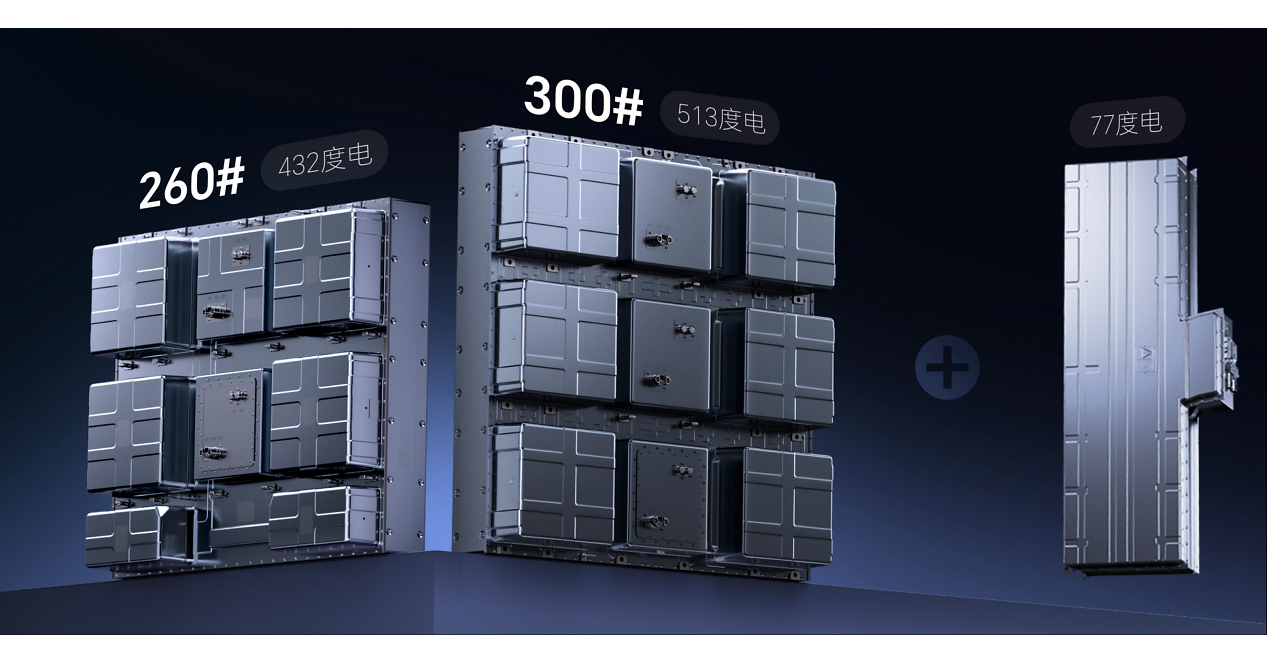
CATL unveiled a dual-electric-range extender battery system for heavy trucks, combining a standardized swappable main battery with a 77 kWh, 3C auxiliary battery; the design raises the main battery’s usable depth of discharge from about 70% to over 95%. QIJI says its standardized packs can be swapped in five minutes with a 99.99% first-time success rate, while eligible basic plans can cut battery rental costs per kWh by up to 20%. The event generated agreements for 13,000 units, and CATL plans 900 swap stations by end-2026 and 2,000 by 2027, with a long-term nationwide target of 10,000.
Analysis
The strategic upside is less the extra range than a potential improvement in fleet utilization: deeper discharge and seasonal battery rental could reduce idle battery capacity and make electric trucks viable on more routes. If operators validate those savings, CATL could capture value beyond cell sales through standards, swap infrastructure and recurring services. But that ecosystem also raises execution risk: station economics depend on corridor density and high utilization, while the cost and weight of a second battery may erode payload economics on weight-constrained routes. A headline rental-cost reduction is not equivalent to lower total cost per tonne-kilometer; verify energy tariffs, battery degradation, station fees, vehicle payload and residual values.
The 13,000-unit agreements are a demand signal, not evidence of deliveries, binding economics or profitable station utilization. The announced rollout targets could create a utilization gap—and capital burden for whoever funds stations and inventory—if truck adoption lags. This is a 1–3 month execution story around order conversion and deployment; any structural benefit is a 6–18 month question requiring route-level operating data. The contrarian risk is that investors price an integrated platform before proving that shared standards and battery swaps beat depot charging or diesel on total cost. Conversely, evidence of repeat fleet orders and high station throughput could make the service layer more valuable than the launch suggests.
AllMind Terminal
AI-powered research, real-time alerts, and portfolio analytics for institutional investors.
Request TrialMarket Sentiment
Overall Sentiment
moderately positive
Sentiment Score
0.62
Key Decisions for Investors
- Do not chase CATL on the announcement alone. Treat signed-unit conversion, delivery timing, station funding and utilization as gating data; press-release commitments do not establish revenue or returns.
- Set an alert for the next 1–3 months: seek fleet-level cost per tonne-kilometer, payload impact, battery degradation and station throughput. Upgrade the thesis only if operators report repeat orders and economics that include charging, rental and infrastructure costs.
- Monitor competing truck and battery ecosystems, including BYD and other Chinese battery suppliers, for compatible swap standards or competing fleet offers. Wider standard adoption could benefit the category; fragmented standards would weaken network economics and increase stranded-asset risk.
- Falsify the bullish thesis if station deployment materially trails stated milestones, utilization remains weak, fleet commitments fail to convert to deliveries, or operators report that added battery weight and rental costs offset uptime gains. Without those checks and valuation context, there is no clean event-driven directional trade.
More News
- The U.S. market has never been more focused on one single bet—but AI’s payoff will likely take decades
- Meta put out an ambitious roadmap to Muse monetization after strong quarter and guide
- Russian Drones Are Already Killing People Within EU Territory
- CoreWeave’s market confidence erodes as bond yields spike and stock sinks
- Elon Musk Thinks $3.5 Trillion Tesla-SpaceX Mashup Is a Good Idea
- Meta ordered to pay $25 billion in case related to Cambridge Analytica scandal
From AllMind Research
- Anthropic IPO Preview: Valuation, Timing, and What to Watch
- Shein After the IPO: Venue, Valuation, and What Must Be Proved
- What AI Research Tools Should a Small Hedge Fund Buy First?
- AI Tools for CFA Charterholders: An Evidence Standard
- Weekly Update: Unstructured Data Search, Ask AI, and Advanced Futures Data