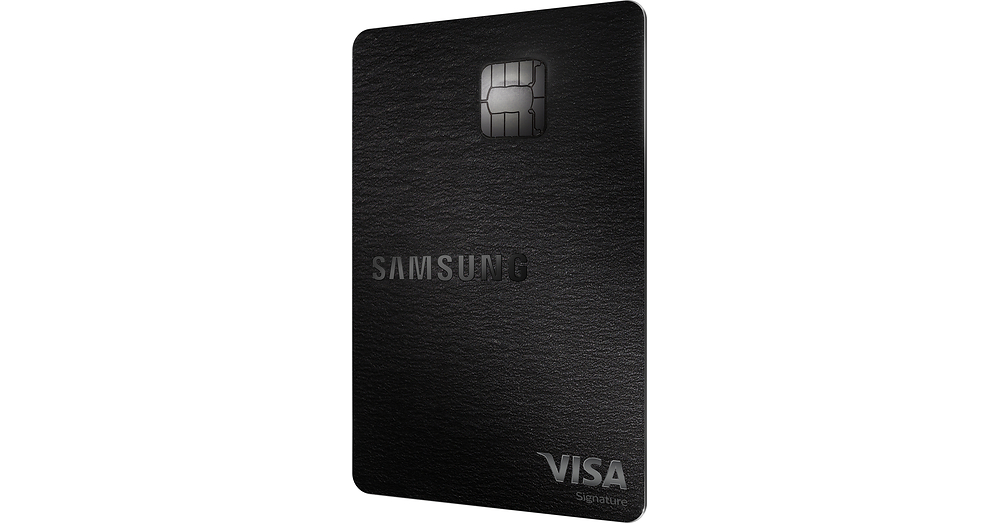
Samsung and Barclays launched the Samsung Galaxy Card in the U.S. with instant provisioning into Samsung Wallet and a $0 annual fee. Rewards are set at 5% cash back on eligible Samsung direct purchases, 3% on Samsung Wallet purchases, 2% on eligible streaming (e.g., Netflix/Disney+/Spotify), and 1% on everything else, plus a $200 bonus after $2,000 spend in the first 90 days. The announcement is supportive for brand engagement and mobile-payments adoption, but it’s unlikely to materially move broader markets.
This is primarily a loyalty-and-retention play masquerading as a payments launch. The economic upside is not in card economics alone; it is in raising switching costs inside the Samsung ecosystem, which can support handset upgrade rates and accessory attach if card usage becomes habitual. For Barclays, the attraction is a low-cost acquisition funnel into a branded U.S. book, but the underwriting mix matters more than the press release: if spend skews toward everyday categories with thin interchange economics, reward costs can outrun the incremental revenue fast.
Visa is the cleanest incremental winner, but the market should not overstate it. Wallet-tokenized spend typically improves authorization quality and keeps transaction flow on the network, yet a single co-brand launch is de minimis versus V's scale. The second-order competitive angle is more interesting: if Samsung Wallet becomes a default payment surface for Galaxy users, it slows Apple's ecosystem advantage at the margin and makes Android wallets more relevant in premium consumer cohorts.
The contrarian read is that this is more marketing than monetization near term. The first 30-90 days will tell us whether activation and repeat spend are meaningful; over 6-18 months the real test is whether this changes device loyalty, not quarterly EPS. Tail risk sits with Barclays: if growth comes from lower-credit-quality customers or heavy promotional spend, charge-offs and reward expense can compress returns; falsify the thesis with weak originations, low spend per account, or rising 60+ day delinquencies.
AI-powered research, real-time alerts, and portfolio analytics for institutional investors.
Overall Sentiment
mildly positive
Sentiment Score
0.25
Ticker Sentiment
