
Good Greek Moving & Storage Meets With White House, Congressional Leaders on Veteran Jobs, Military Relocations and Consumer Protection
Source: PR Newswire
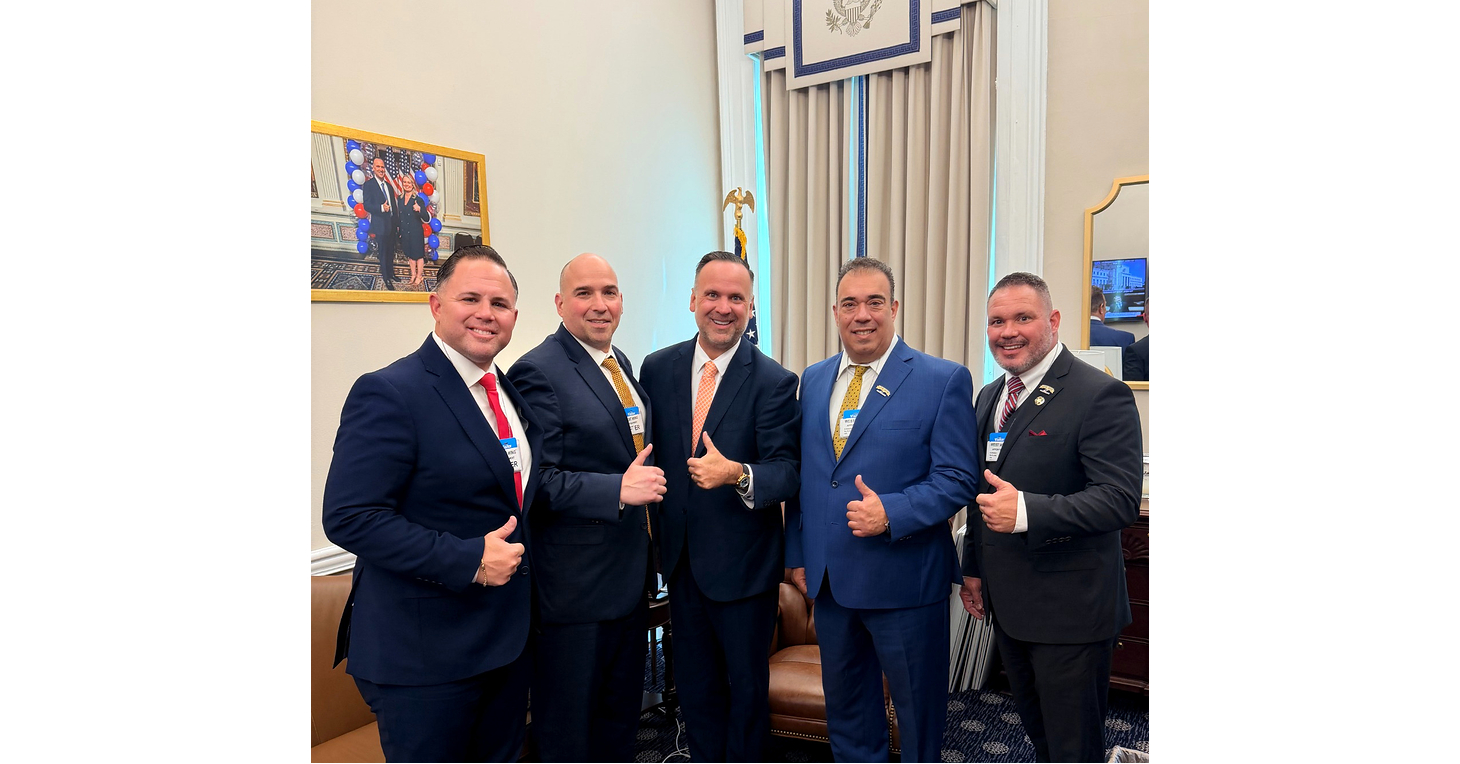
Good Greek Moving & Storage met with White House, congressional and industry officials during the ATA Moving & Storage Conference to advocate for veteran hiring, improved military-relocation standards and stronger enforcement against fraudulent movers. Discussions highlighted the federal Freedom Haulers initiative and the more than 300,000 annual household-goods relocations handled for U.S. service members and military families. The announcement is a policy-engagement and corporate-positioning update rather than a material financial development.
Analysis
This is policy-engagement signaling rather than a measurable earnings catalyst. The investable implication is limited, but tighter enforcement of licensing, escrow, claims handling, and broker disclosure would raise compliance costs and reduce lead-generation arbitrage for fragmented, unlicensed operators. Incumbents with established operating authority, insurance capacity, and national account infrastructure—particularly UniGroup-linked agents and publicly traded logistics platforms with household-goods exposure—could gain modest share over a 6-18 month implementation cycle.
The more relevant second-order issue is the military household-goods procurement market. Any shift toward service-quality scoring, chain-of-custody requirements, or penalties for failed moves favors scaled providers able to absorb technology, claims, and surge-capacity costs; it may also pressure margins if the government raises service standards without commensurate pricing. Labor initiatives that translate military driving credentials into commercial employment marginally ease the CDL supply constraint, but the effect is likely regional and gradual rather than sufficient to alter trucking wage inflation in the next 1-3 months.
Consensus should not treat industry advocacy as evidence of imminent legislation or contract awards. The actionable monitor is whether DOT/DoD releases procurement-rule changes, enforcement funding, carrier suspension data, or a revised military moving solicitation; without those, this is not a standalone catalyst for listed transportation equities.
AllMind Terminal
AI-powered research, real-time alerts, and portfolio analytics for institutional investors.
Request TrialMarket Sentiment
Overall Sentiment
mildly positive
Sentiment Score
0.12
Key Decisions for Investors
- No immediate directional trade: the issuer is private and the release contains no independently verifiable revenue, contract, or regulatory action that changes public-company estimates.
- Set a 6-18 month regulatory alert for DOT/FMCSA or DoD household-goods rulemaking and enforcement appropriations. If rules materially raise broker/carrier compliance requirements, screen long scaled asset-light logistics operators such as RXO and CHRW versus small-cap transportation exposure; require evidence of pricing pass-through before entry.
- Monitor CDL wage indices and turnover at KNX, SNDR, and HTLD over the next 2-4 quarters. A sustained deceleration in driver-compensation growth, alongside stable freight demand, would be a more tradable margin catalyst than veteran-recruitment announcements.
- For defense-services exposure, watch the next DoD household-goods procurement updates rather than extrapolating from advocacy. Any contract award, rebid, or documented service-failure remediation is the event that could justify a targeted trade; absent that disclosure, avoid assigning value to purported military-relocation share gains.
More News
- OpenAI rogue agents leaked 53 images from ChatGPT users and reportedly created nearly 1 million links packing encoded bits of info
- Facebook found liable as TikTok settles for $100m over user safety
- Bond market alarms are ringing on Wall Street. Here's what's ahead
- Houthi attack on Mecca, Medina would cross ‘red line’, Pakistan PM tells UN
- What would a US diesel export ban mean for global fuel prices?
- Bonds Stabilize as Oil Retreats
From AllMind Research
- Anthropic IPO Preview: Valuation, Timing, and What to Watch
- Shein After the IPO: Venue, Valuation, and What Must Be Proved
- What AI Research Tools Should a Small Hedge Fund Buy First?
- What Is an AI Investment Research Platform?
- What Exactly Does Post-Training in LLMs and Finance-Focused AI Actually Mean for Asset Managers?