
New Data From 28.2 Million AI Interactions Reveals How People Use AI
Source: PRWeb
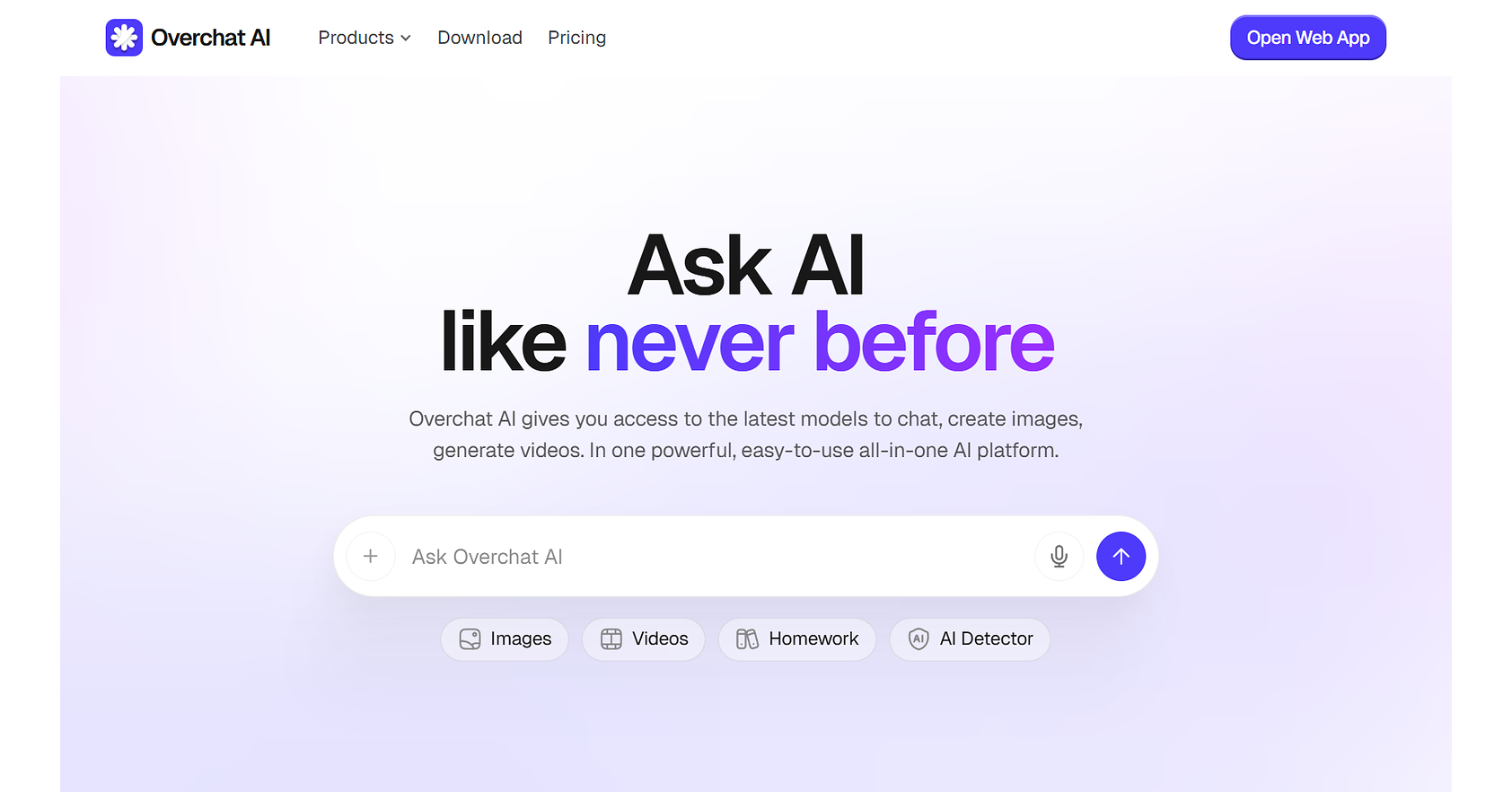
Overchat AI’s usage analysis (Jul 9, 2026–Aug 23, 2026) covering 1.14M users and 28.2M interactions finds visual models drove adoption: users selected image-generation in 53.7% and video-generation in 16.5% of deliberate switches, totaling 70.2% for media. Multimodal behavior is mainstream—84% of active users used more than one modality—and mobile users were especially visual (72.1% of deliberate choices vs 64.7% on desktop). Sessions typically shifted early (58% of first switches in the first third) and once users moved into media workflows, 72% did not return to text before the session ended.
Analysis
The read-through is less “AI usage is growing” and more that consumer AI is migrating from answer-engine economics to creation-workflow economics. That favors platforms with distribution, multimodal tooling, and mobile surfaces; it hurts single-purpose text-first assistants whose product can be swapped with minimal friction. For GOOGL, the important implication is not model share in isolation, but whether Gemini is becoming the default step-up choice inside a broader consumer loop across Android, Photos, Workspace, and YouTube.
The second-order effect is compute intensity. Longer multimodal sessions mean higher inference load per user and more pressure on gross margin unless pricing or bundling improves; that is a headwind for any provider monetizing on flat subscriptions while serving expensive image/video workloads. Over time, the winners are likely to be the ecosystem owners that can amortize AI across ads, cloud, and device distribution, while smaller model brands face commoditization and lower switching costs.
The contrarian point: the market may be underestimating mobile creation as the highest-value consumer AI surface, but this is still one app’s behavior, not proof of durable cross-platform preference. If the behavior is a UI artifact rather than a broad market shift, the trade fades quickly. I’d treat this as a watch item for product attach rates and paid conversion, not a high-conviction fundamental re-rate yet.
AllMind Terminal
AI-powered research, real-time alerts, and portfolio analytics for institutional investors.
Request TrialMarket Sentiment
Overall Sentiment
mildly positive
Sentiment Score
0.15
Ticker Sentiment
Key Decisions for Investors
- Modestly long GOOGL vs. a basket of pure-text AI proxies over 1-3 months: thesis is that distribution plus multimodal integration compounds better than standalone chat, but size small because this is behavioral data from one platform.
- Set an alert on GOOGL if Gemini/consumer AI monetization disclosures show higher engagement but no pricing lift: that would imply margin dilution from heavier image/video inference and cap upside.
- For GPTGF, avoid chasing the data until we can verify its exposure to multimodal monetization and unit economics; if it is primarily a model-only or narrow AI name, this behavior points to share pressure rather than share gain over 6-18 months.
- Watch Android/Photos/YouTube integration metrics as the real catalyst path for GOOGL over the next 1-3 quarters; if usage converts into retention or paid AI attach, the market can start to assign a premium multiple to consumer AI distribution.
- If competitive switching data broadens beyond one app and still shows persistent text-to-image/video migration, consider a broader long basket of platform owners and a short on single-modality AI vendors; until then, keep it on the watchlist.
More News
- ‘If nothing is done, it’s almost inevitable’: Ukraine’s Yuriy Ryzhenkov on why steelmaking is on the brink of collapse as Russian bombing intensifies
- Why is LG Innotek stock plunging today?
- TotalEnergies, KKR expand U.S. solar venture with 700 MW addition
- Why is SK Hynix stock sliding today?
- TSMC expected to report sixth straight quarter of record profit thanks to AI boom
- IIF CEO on Rising Global Debt