
KanEquip JCB Expands into Kansas City Market with New Full-Service Dealership
Source: PR Newswire
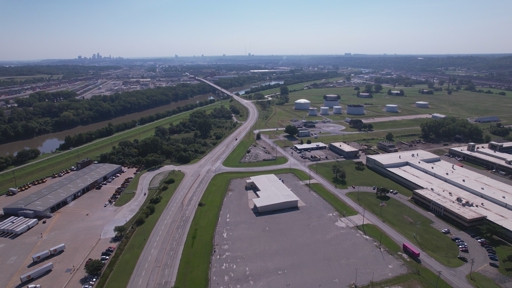
KanEquip JCB is opening a 17,000-square-foot Kansas City dealership on 4.45 acres, with nine drive-through service bays, after Trane Technologies acquired CSTK and exited the retail equipment market. KanEquip retained CSTK's former JCB sales, parts and service team and expects to begin operations in mid-September 2026. The facility is intended to support regional construction, infrastructure and rental-equipment demand, including projects associated with Chiefs and Royals stadium developments.
Analysis
This is principally a channel-continuity event, not a demand signal. TT’s strategic value is likely improved by removing a non-core retail operation, but the financial contribution of a single dealer network is immaterial relative to its HVAC and building-services earnings base; no read-through to TT estimates is warranted absent evidence of further asset divestitures or a disclosed purchase-price allocation. The more relevant structural implication is that JCB retains local aftermarket coverage, protecting equipment utilization and resale values in a market where service response time—not initial machine price—often determines fleet purchasing decisions.
URI and Ashtead/Sunbelt (AHT.L) are modest second-order beneficiaries only if regional project activity translates into incremental fleet turns and ancillary rental demand. A better-supported JCB dealer can also marginally increase competitive equipment supply to rental fleets, which is more likely to pressure OEM/dealer pricing than meaningfully alter rental-company margins; large rental operators retain purchasing leverage and can substitute across OEMs. Over the next 1-3 months, the key verification point is whether public rental-fleet orders, municipal contract awards, or regional construction starts accelerate—not dealership capacity itself. Over 6-18 months, sustained infrastructure deployment would favor URI/AHT utilization, while a construction slowdown would leave expanded local service capacity competing for a smaller installed base.
The contrarian view is that investors may over-interpret references to high-profile development projects as near-term equipment demand. Major projects produce uneven equipment spend, with much of the highest-value rental demand occurring during earthworks and structural phases rather than at announcement or site-preparation stages. This item has insufficient scale and no disclosed order backlog, fleet commitment, or manufacturer volume outlook to justify a standalone position.
AllMind Terminal
AI-powered research, real-time alerts, and portfolio analytics for institutional investors.
Request TrialMarket Sentiment
Overall Sentiment
mildly positive
Sentiment Score
0.32
Ticker Sentiment
Key Decisions for Investors
- No standalone trade in TT: retain existing fundamental view; this is not a catalyst for earnings revisions. Reassess only if TT discloses additional non-core divestitures, associated proceeds, or a change in capital-allocation guidance at the next results event.
- Maintain URI and AHT.L/SUNB on a 1-3 month infrastructure-demand watchlist rather than buying on this news. Upgrade only if quarterly utilization, rental-rate guidance, or disclosed Midwest fleet deployment improves; falsify any bullish read if utilization softens or rate growth decelerates.
- Avoid using KUB/Kubota exposure as a proxy: multi-brand dealer expansion does not establish incremental Kubota orders or share gains. Require dealer-level inventory/order data or North American construction-equipment guidance before acting.
- For relative-value books, consider long URI versus a broad construction-equipment OEM basket only after confirmation of rising rental rates and utilization. The trade works if contractors favor rental over owned equipment during project ramp-ups; exit if URI guides to lower rate growth or fleet-on-rent declines.
More News
- Japan’s corporate leaders sound alarm over weak yen — even dollar-earners are voicing concerns
- 'Hostile act': Trump threatens EU with tariffs over Canada associate-membership proposal
- Fed hikes again - an AI-Picked insurer is still cashing in
- US military claims Strait of Hormuz remains open amid ongoing blockade
- Berkshire May Boost Japan Trading House Holdings, Itochu Says
- US official says upcoming spectrum auctions could generate more than $100 billion
From AllMind Research
- Anthropic IPO Preview: Valuation, Timing, and What to Watch
- Shein After the IPO: Venue, Valuation, and What Must Be Proved
- What AI Research Tools Should a Small Hedge Fund Buy First?
- How to Track Guidance Changes Across a Coverage List With AI
- Stop Treating AI Like a Chatbot: What Are Agents, SubAgents, MCP, and Skills, and How Do They Actually Work?