
OsakaAgents.com Launches Free Service that Helps Foreigners Rent and Buy Homes in Osaka, Japan
Source: PR Newswire
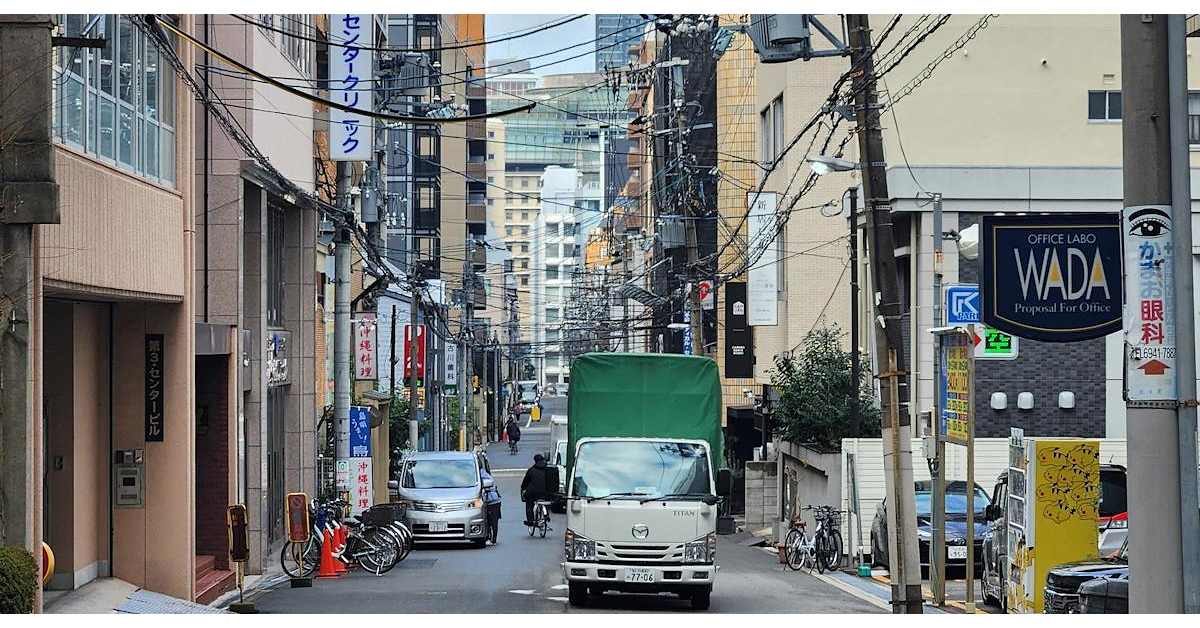
OsakaAgents.com launched a free concierge-style referral service connecting foreign residents, renters, buyers and property investors with prescreened Osaka real estate agents. The company cites continued growth in Osaka’s foreign-resident population and offers multilingual communication support, education and introductions for mid- to long-term housing transactions. The launch is a niche private-company service announcement with limited broader market impact.
Analysis
This is not investable public-market information on its own: the launch is a private, referral-based service with no disclosed transaction volume, monetization, customer-acquisition cost, or exposure to listed Japanese property owners. The relevant mechanism is marginally lower search and language friction for foreign residents, but the likely near-term effect is a redistribution of leads among local brokers rather than incremental housing demand.
For listed proxies, any benefit would accrue only if foreign leasing demand is sufficiently concentrated in urban multifamily assets and can lift occupancy or rents. That is more relevant to J-REITs with Osaka exposure than national developers, but foreign tenants are unlikely to move portfolio-level NOI without a broader visa, tourism-to-residency, or corporate relocation impulse. A weaker yen could support inbound demand, yet it can simultaneously raise imported construction costs and pressure development margins.
The contrarian read is that concierge intermediation may signal persistent transaction friction rather than a scalable demand inflection. Better matching can increase price transparency and negotiation power for tenants and buyers, potentially limiting landlords' ability to translate foreign interest into rent growth. No trade is warranted absent independent evidence of rising foreign-resident households, Osaka multifamily occupancy tightening, and rent-growth acceleration over the next two reporting periods.
AllMind Terminal
AI-powered research, real-time alerts, and portfolio analytics for institutional investors.
Request TrialMarket Sentiment
Overall Sentiment
mildly positive
Sentiment Score
0.20
Key Decisions for Investors
- No immediate position: treat this as a low-signal private-company press release, not a catalyst for Japanese real estate equities or J-REITs.
- Create a 1-3 month watchlist for Osaka-weighted residential and hotel J-REITs; act only if monthly Osaka foreign-resident growth coincides with occupancy above 97% and positive asking-rent revisions. Missing data: portfolio-level Osaka NOI and tenant-nationality exposure.
- If yen weakness and inbound-residency data accelerate together, prefer a selective long Osaka urban residential J-REIT basket versus a short Japan construction/developer proxy, where imported-input inflation and higher financing costs can compress margins. Falsify if Osaka rents remain flat or long JGB yields rise enough to widen J-REIT cap rates.
- Avoid extrapolating foreign buyer interest into broad Japanese housing appreciation: monitor mortgage availability for nonresidents and municipal vacancy data over 6-18 months before underwriting any structural upside.
More News
- Trump Says US Team Met With Iranians at UNGA
- How Kevin Warsh’s rate hike exposed a 2-speed U.S. economy, with AI and housing at the poles
- China Vanke shares surge on report of regulatory debt intervention
- Meta’s Muse AI is exploding in popularity—and already drawing heated backlash from another tech giant
- Lennar shares pop as Berkshire builds almost a 10% stake in beleaguered homebuilder
- Qualcomm releases Android chip built for AI as memory shortage weighs on smartphone market
From AllMind Research
- Anthropic IPO Preview: Valuation, Timing, and What to Watch
- Shein After the IPO: Venue, Valuation, and What Must Be Proved
- What AI Research Tools Should a Small Hedge Fund Buy First?
- AI Financial Research Benchmarks: What the Scores Mean
- State of M&A and Private Markets, June 2026: A $4.9 Trillion Rebound, Underwritten on Money That Never Got Cheaper