
Confitex Technology gana el INDEX Award y el Hygienix Innovation Award
Source: PR Newswire
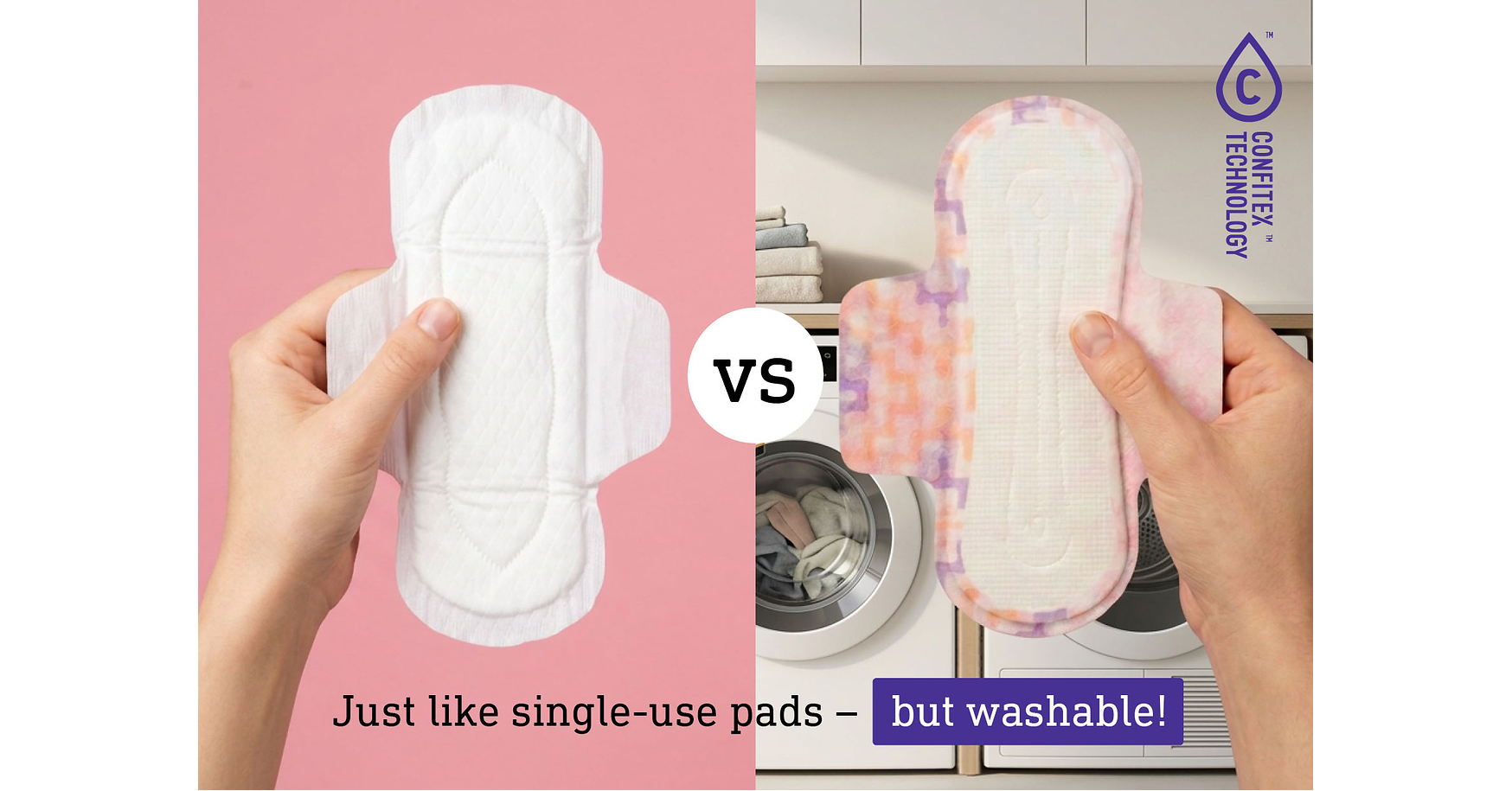
Confitex Technology won both the INDEX Award and Hygienix Innovation Award for washable nonwoven absorbent-hygiene products, becoming the first company to receive both industry honors. Its products contain up to 90% bio-based materials, exclude petroleum-derived superabsorbent polymers, and matched or exceeded disposable-pad absorbency in independent Intertek tests. The company is targeting European and North American retail adoption in a roughly $123.5 billion global absorbent-hygiene market, where reusable products represent less than 15% but are growing at a 6.89% CAGR.
Analysis
The investable implication is less about Confitex and more about category optionality for incumbent hygiene companies. If washable nonwovens achieve mass-retail economics, P&G (PG), Kimberly-Clark (KMB), Essity (ESSITY-B.ST) and Ontex (ONTEX.BR) face a mix-shift risk: recurring disposable-unit volumes are replaced by lower-frequency purchases, while private-label retailers gain bargaining power because product differentiation migrates toward materials IP rather than brand-led replenishment. This is a 6-18 month strategic risk, not a near-term earnings event; adoption depends on retail shelf placement, consumer repeat-use behavior and credible lifetime-cost savings.
The strongest second-order beneficiary could be testing and certification providers rather than consumer-goods manufacturers. Intertek (ITRK) can monetize PFAS screening, durability validation, chemical-compliance and product-certification work as retailers require substantiation before listing reusable hygiene products; however, a single supplier's laboratory engagement is immaterial to group earnings. The relevant catalyst is broader European retailer procurement or regulation that turns voluntary testing into a category-wide compliance requirement over the next 1-3 years.
Consensus may overstate the immediate disruption to disposable hygiene. Reusables carry laundry friction, inventory requirements and potential performance variability that make adoption less linear than ESG narratives imply; incumbents can also license, acquire or launch adjacent reusable products. The thesis is falsified if major EU/North American retailers do not expand reusable shelf space within two seasonal buying cycles, or if leading hygiene companies demonstrate stable category volumes and pricing despite reusable product launches.
AllMind Terminal
AI-powered research, real-time alerts, and portfolio analytics for institutional investors.
Request TrialMarket Sentiment
Overall Sentiment
moderately positive
Sentiment Score
0.62
Ticker Sentiment
Key Decisions for Investors
- No standalone trade in ITRK: maintain a watchlist alert for disclosed multi-country reusable-hygiene testing contracts or a measurable acceleration in Consumer Products segment organic growth; absent that, this item is immaterial to earnings.
- Monitor a 6-18 month relative-value setup: short KMB versus long PG only if KMB begins guiding to feminine-care volume pressure while PG sustains organic sales growth. KMB has greater exposure to mature hygiene categories, but the trade requires evidence of retail substitution rather than award-driven sentiment.
- Watch ONTEX.BR for potential strategic upside from licensing, private-label production or an acquisition of reusable-material technology. Do not enter before retailer rollout data: the balance-sheet and execution risks outweigh an unverified addressable-market narrative.
- For ESG-policy exposure, track EU and French procurement/subsidy implementation over the next 3-6 months. A binding public-procurement or retailer-compliance requirement would be the catalyst to revisit longs in ITRK and selected hygiene suppliers; policy rhetoric without funded implementation is not sufficient.
More News
- China's AI leaders keep quiet despite U.S. 'publicity' on tech risks
- AWS says it can't restore service to Bahrain, UAE facilities 6 months after Iran strikes
- Chinese investors rush into US stocks as Beijing opens wider path overseas
- Factbox-How AI leaders and world governments react to ’AI doom’ fears
- Is Amazon Stock a Buy After Its Best Quarter in Years?
- Two camps have emerged in the debate over AI safety and regulation
From AllMind Research
- Anthropic IPO Preview: Valuation, Timing, and What to Watch
- Shein After the IPO: Venue, Valuation, and What Must Be Proved
- What AI Research Tools Should a Small Hedge Fund Buy First?
- AllMind Fixed Income Compass for October 2025: Navigating Policy Divergence and Political Risk
- AI Equity Research Tools for RIAs and Wealth Managers