
Trump-Xi Summit in Focus After Positive US-China Talks
Source: youtube.com
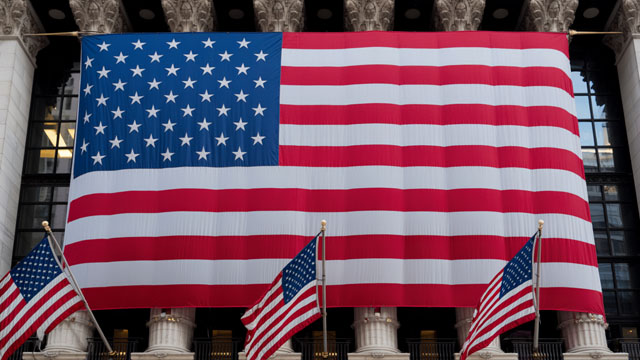
US and Chinese officials gave upbeat assessments of discussions on AI, trade and investment ahead of a Trump-Xi summit, indicating an effort to stabilize bilateral ties. Brent crude fell for a fourth consecutive session, its longest losing streak since June, as markets monitored diplomacy aimed at ending the US-Iran war and continued cargo flows through the Strait of Hormuz.
Analysis
The near-term market implication is a compression of geopolitical risk premia rather than a durable change in physical supply-demand balances. That favors an unwind in crude-volatility positioning and removes a temporary margin headwind for fuel-intensive industries; airlines (JETS) and chemicals (XLB) should outperform energy beta (XLE) if Brent continues lower for the next 1-3 weeks. The more important confirmation is freight and insurance costs: if they fail to normalize despite lower crude, the apparent de-escalation is not translating into operating-cost relief.
A thaw in technology and investment dialogue would be incrementally supportive for the semiconductor complex, but the investable question is whether it produces specific licensing, tariff, or capital-equipment changes. Until then, a broad rally in SMH/SOXX would be multiple expansion on political optionality rather than an earnings revision. The likely first beneficiaries of an actual policy rollback are semiconductor equipment and supply-chain names with China revenue exposure; the principal risk is that summit rhetoric does not alter export-control enforcement, leaving the sector vulnerable after an initial relief move.
Consensus may underappreciate the asymmetric reversal risk in oil: a diplomatic headline can reduce prompt-month prices quickly, while any disruption to transit, shipping insurance, or regional infrastructure can reprice the curve upward in hours. This argues against outright structural energy shorts. Over 6-18 months, lower energy input costs marginally support global manufacturing margins and disinflation, potentially reducing a macro headwind for cyclicals, but only if the decline reflects sustained supply access rather than deteriorating demand.
AllMind Terminal
AI-powered research, real-time alerts, and portfolio analytics for institutional investors.
Request TrialMarket Sentiment
Overall Sentiment
neutral
Sentiment Score
0.10
Key Decisions for Investors
- Tactically favor long JETS versus short XLE for 2-6 weeks, sized modestly: the spread captures falling fuel-cost expectations while limiting broad equity-beta exposure. Exit if Brent reverses above its pre-diplomacy level or if airline capacity/guidance commentary fails to translate fuel relief into margin upside.
- Do not chase SMH/SOXX solely on summit optimism. Create an alert for independently confirmed changes to semiconductor export licenses, tariffs, or China revenue guidance; on a concrete policy concession, favor a 1-3 month long SMH versus short SPY expression rather than single-name exposure.
- Maintain upside oil convexity as a hedge rather than initiating a directional crude short: small USO calls or Brent call exposure 1-3 months out can protect the portfolio against an abrupt transit disruption. Fund only with defined-risk structures; the thesis is falsified by sustained normalization in freight, insurance, and physical differentials.
- Watch the oil forward curve and tanker/shipping indicators over the next several sessions. A falling front month without easing freight costs would signal paper-market relief rather than a genuine supply normalization and is a reason to reduce the JETS/XLE risk-on spread.
More News
- All Iranian airlines to be 'shut down' from Wednesday, Bessent tells CNBC
- Taiwan benchmark Taiex rises to record intraday high as tech stocks advance
- AMD joins the $1 trillion club as chip rally surges - our AI Strategy saw it early
- Jamie Dimon says hyperscaler AI spending could hit $1 trillion next year
- Factbox-Key issues for this week’s Trump-Xi summit in Washington
- Latest Oil Market News and Analysis for Sept. 22