
BP Reaches Net Debt 2027 Target As Iran War Boosts Oil, Gas Trading
Source: Bloomberg
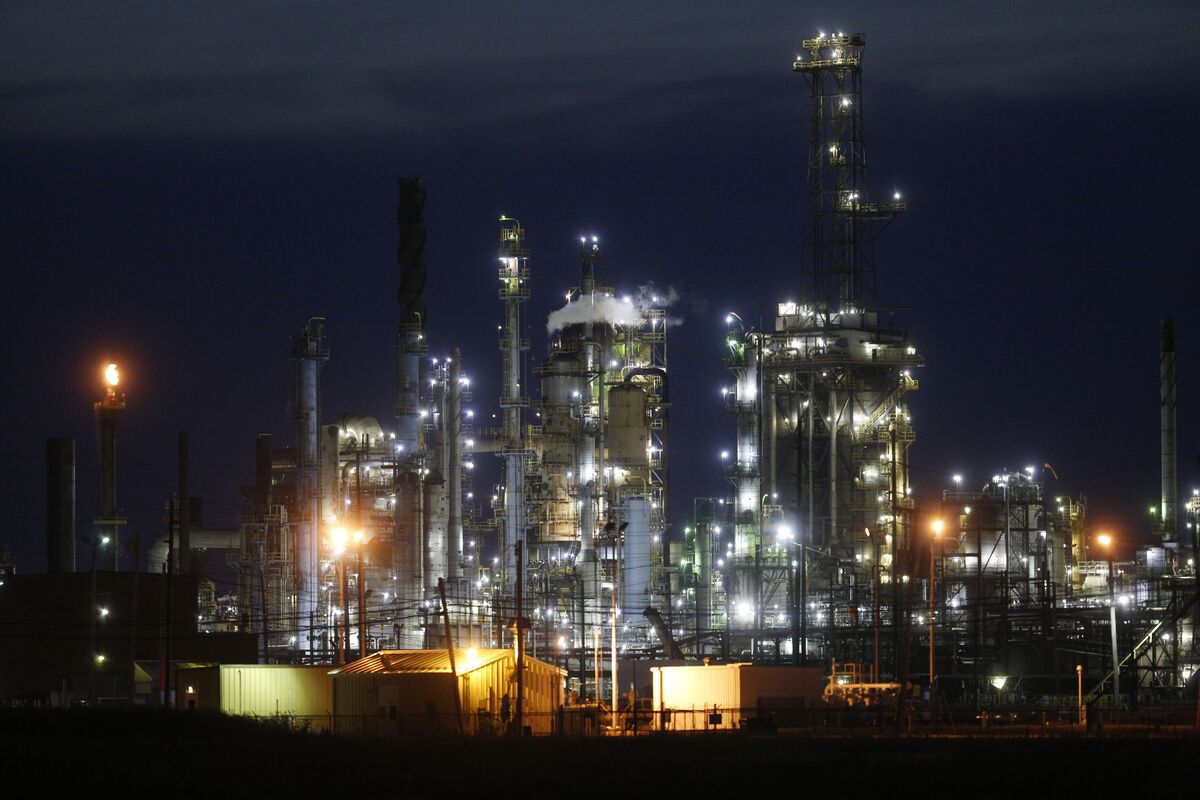
BP has already reached its 2027 net debt target, with volatile oil and gas trading linked in part to the Iran war contributing to the progress. The article provides no debt figure or quantified trading impact.
Analysis
The balance-sheet milestone is positive for BP’s financial flexibility, but its quality matters more than its timing. If trading and refining volatility supplied a material share of the cash generation, investors should be cautious about extrapolating that run rate: earnings tied to dislocations can reverse as flows normalize, while geopolitical disruption can also constrain crude availability or refinery utilization. The second-order benefit is reduced pressure to prioritize debt reduction over distributions and investment; whether that supports a re-rating depends on BP’s capital-allocation choices and the durability of underlying cash flow, not the target date alone.
Over the next days, the headline may support sentiment, but it is not by itself evidence of a higher through-cycle earnings base. Over 1–3 months, track BP’s reported trading contribution, refining margins, working-capital movements, and any update to buybacks or dividends. Over 6–18 months, the key question is whether debt stays contained after volatility fades without underinvestment or weaker operating cash flow. A de-escalation that narrows market dislocations could remove the earnings tailwind; renewed disruption could extend it but increase supply and operating risks. The contrarian point: an early debt target may look like structural deleveraging while partly reflecting unusually favorable, potentially reversible market conditions.
AllMind Terminal
AI-powered research, real-time alerts, and portfolio analytics for institutional investors.
Request TrialMarket Sentiment
Overall Sentiment
mildly positive
Sentiment Score
0.30
Ticker Sentiment
Key Decisions for Investors
- Do not chase BP solely on the debt-target milestone. Treat it as a balance-sheet de-risking signal, not proof of sustainably higher free cash flow.
- For existing exposure, monitor the next results for trading/refining contribution, working-capital effects, and net-debt definition; reassess if debt rises again as volatility normalizes or operating cash flow weakens.
- Keep a relative-value watch against Shell and TotalEnergies rather than initiating a directional energy trade from this item alone. Compare cash generation excluding trading volatility and capital returns before acting.
- Falsification for the cautious thesis: BP demonstrates sustained debt reduction and shareholder distributions after trading conditions normalize. A reversal in net debt, weaker refining economics, or reduced cash-flow guidance would argue that the apparent balance-sheet improvement was less durable.
More News
- How to get up to $100 a month when you use your Citizens debit card to buy gas
- Middle East and Central Asia’s economy to shrink in 2026 amid war, IMF says
- Why is LVMH Moet Hennessy Louis Vuitton stock sliding today?
- The escalation in Yemen is a turning point
- U.S. Treasury yields fall as energy prices pull back
- Piper Sandler cuts AST Spacemobile stock rating on launch concerns