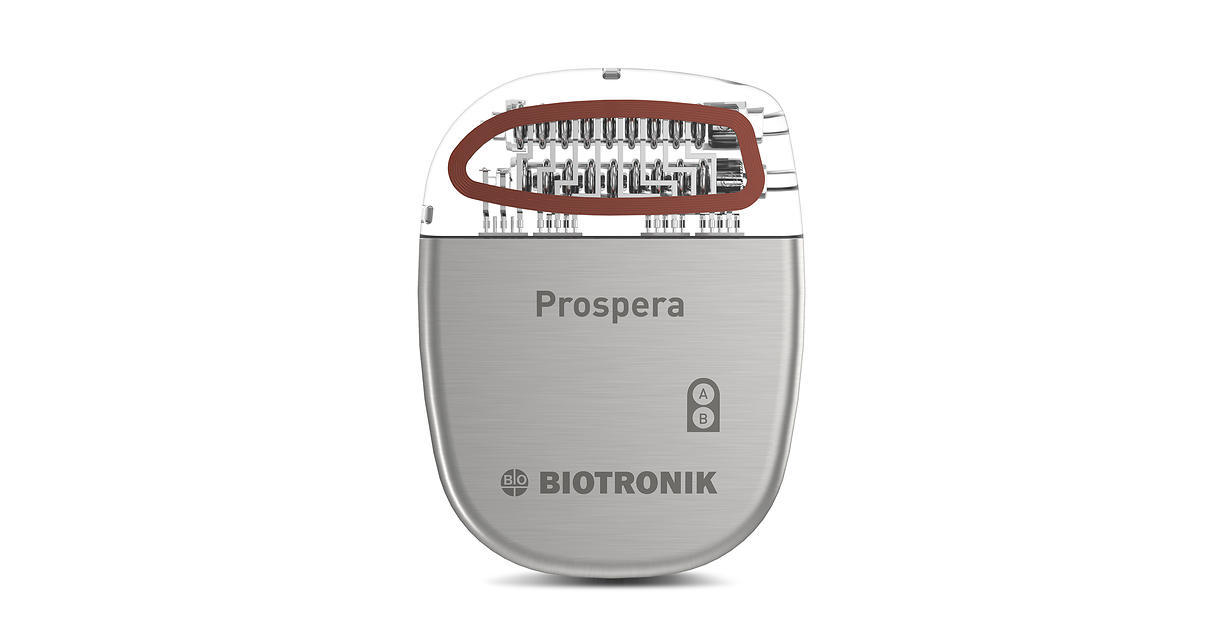
BIOTRONIK Neuro launched Embrace One® Proactive Intelligence, an AI capability using 200+ daily remotely collected data points from Prospera® SCS patients to flag early support needs (without making clinical decisions or changing therapy automatically). In a prospective pilot, the model generated 188 behavioral-pattern instances across 175 patients and proactive outreach was effective in 80.9% of cases, with nearly 4 in 5 cases resulting in targeted Care Team interventions (e.g., remote reprogramming and therapy optimization). Overall, the news supports a shift toward proactive, connected SCS management aimed at reducing missed issues between clinic visits.
This is less a near-term revenue event than a moat-extension signal. In SCS, the economics are driven by retention, reprogramming frequency, and avoidance of explants; a telemetry-driven outreach layer can improve lifetime value even if it does not change the initial implant decision. The competitive implication is that remote monitoring plus human-in-the-loop support is becoming table stakes, which favors vendors with enough installed base and clinical infrastructure to turn device data into workflow advantage.
The second-order pressure falls on smaller neuromodulation players and any incumbent that still treats post-implant support as a manual service function. If proactive triage truly reduces patient drop-off and unnecessary office visits, payers get a plausible cost-offset story and clinics get a higher-throughput model, both of which can support broader adoption over 6-18 months. But the current evidence is still pilot-scale and vulnerable to selection bias; outreach response is not the same as durable pain-outcome improvement or lower revision rates.
For public equities, the read-through is modestly favorable to the better-positioned medtech platforms with digital follow-up capabilities, but not enough for an immediate multiple re-rating. The main falsifier is a larger independent dataset showing no improvement in explant/revision rates, or clinicians viewing AI triage as workflow noise rather than a productivity gain. Watch for payer commentary and whether competitors quickly bundle comparable remote-management tools, which would dilute any first-mover advantage.
AI-powered research, real-time alerts, and portfolio analytics for institutional investors.
Request TrialOverall Sentiment
moderately positive
Sentiment Score
0.35
Ticker Sentiment
