
Angel Lee, PDG de PhytoHealth, récompensé pour sa contribution au développement du premier médicament sur ordonnance au monde destiné à traiter la fatigue liée au cancer
Source: PR Newswire
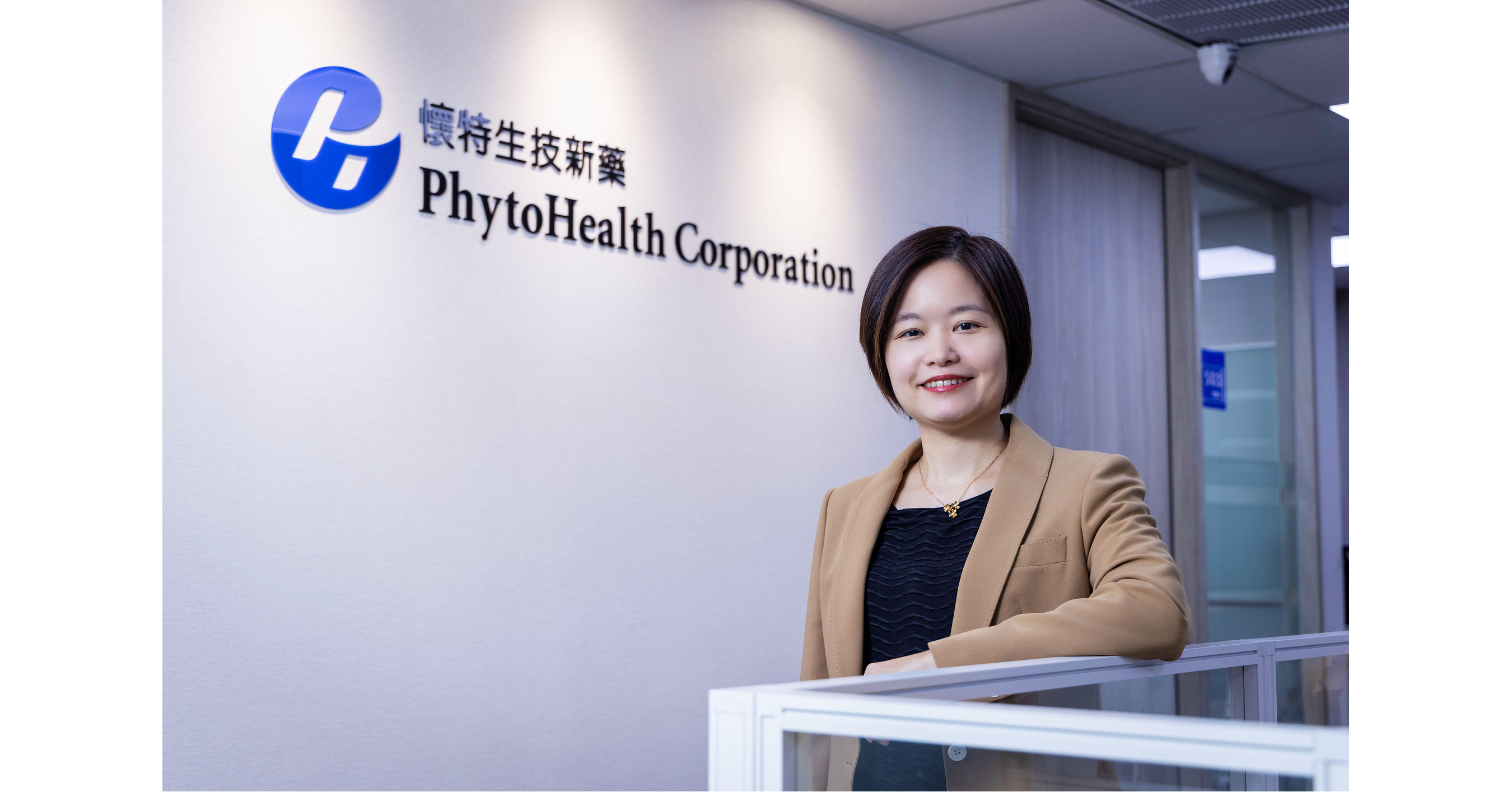
PhytoHealth CEO Angel Lee received a national Taiwanese award recognizing her role in developing PG2®, described as the world's first prescription medicine specifically approved for moderate-to-severe cancer-related fatigue. PG2®, a refined Astragalus-polysaccharide drug and Taiwan's first approved new botanical medicine, is used clinically in Taiwan and reimbursed by national health insurance for eligible breast-cancer patients. The company is accumulating clinical evidence and seeking international pharmaceutical and healthcare partners to advance global development of PG2® and its rAPS® platform.
Analysis
This is not a read-through to JNJ: the company’s historical employment connection provides no identifiable revenue, licensing, supply-chain, or strategic exposure. The investable asset appears private, and the announcement contains no disclosed sales trajectory, reimbursement expansion, pivotal-study endpoint, regulatory filing, or named commercialization partner. As a result, the near-term signal is reputational rather than fundamental and should not alter large-cap pharma positioning.
The potentially investable development is a future licensing transaction, but international commercialization of a botanical supportive-care therapy faces a materially higher evidence and regulatory bar than local reimbursement adoption implies. A credible partner would need to disclose randomized controlled efficacy data, manufacturing consistency/CMC validation, and a regulatory route in the U.S., EU, or Japan; absent these, the addressable-market narrative is not monetizable. Over 6-18 months, successful validation could marginally pressure supportive-oncology adjunct categories, but it would not threaten core oncology franchises at JNJ, MRK, BMY, RHHBY, or AZN because fatigue management does not displace anticancer treatment.
Contrarian view: the headline may invite an overstated ‘first-in-class’ interpretation, yet clinical recognition and a domestic reimbursement decision are weak proxies for exportability or pricing power. The most likely next catalyst is a partnership announcement, but private-company deal terms could reveal that PG2 is being acquired as a regional option rather than a globally scalable platform. Falsification of the skeptical view would be a named global pharmaceutical partner accompanied by upfront economics, multi-market trial commitments, and independently published data demonstrating durable patient-reported outcome improvement.
AllMind Terminal
AI-powered research, real-time alerts, and portfolio analytics for institutional investors.
Request TrialMarket Sentiment
Overall Sentiment
mildly positive
Sentiment Score
0.32
Key Decisions for Investors
- Maintain no directional JNJ position based on this item; require disclosure of a licensing, co-development, manufacturing, or distribution relationship before reassessing. JNJ’s fundamental earnings sensitivity to a private supportive-care asset is effectively immaterial.
- Create a 6-12 month event-driven alert for a PhytoHealth partnership with JNJ, Takeda (4502 JP), Otsuka (4578 JP), or a China/Taiwan oncology distributor. Upgrade relevance only if announced upfront consideration and committed trial spending establish a financially meaningful transaction.
- For healthcare books, avoid short positions in oncology leaders on the premise of supportive-care substitution. Any future competitive effect would be confined to adjunctive symptom-management spending, while branded oncology drug demand is driven by survival and disease-control outcomes.
- If a public listing or financing becomes available, do not underwrite valuation without three missing datapoints: PG2 revenue and gross margin under Taiwan reimbursement, controlled trial effect size versus standard care, and reproducible manufacturing specifications. Failure to provide these should be treated as a no-trade signal rather than a speculative biotech catalyst.
More News
- FAA says Boeing 737 Max software glitch not a flight-safety issue
- Broadcom, Amazon Test Limits of Investor Demand for AI Buildout
- Your health insurance premiums may take a big jump in 2027 — here's why
- September Jobs Miss Shocks Markets
- Anthropic to invest $100 million to train AI engineer talent
- Big Pharma turns to China for new drugs as patent cliff drives multibillion-dollar deals
From AllMind Research
- Anthropic IPO Preview: Valuation, Timing, and What to Watch
- Shein After the IPO: Venue, Valuation, and What Must Be Proved
- What AI Research Tools Should a Small Hedge Fund Buy First?
- Capital Intensity as Gravity: The AI Trade Enters Its Industrial Era (Looking at Q3 2025 Earnings in Tech)
- AI Portfolio Monitoring: Build an Alert Policy Analysts Can Audit