
DIPLOMAGACY : Morgan State University Professor Launches a New Concept Characterizing President Trump's Withdrawal Diplomacy During a Forum at the United Nations
Source: PR Newswire
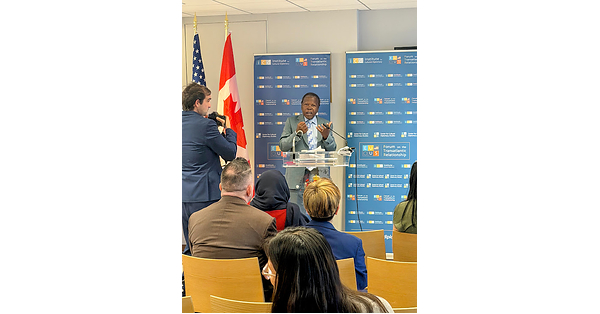
At a UN forum on October 8, 2026, Morgan State professor Zekeh Gbotokuma introduced “Diplomagacy,” his critical characterization of President Trump’s foreign policy. He argues that the administration’s withdrawal from 66 international organizations, including 31 UN-related entities, tariffs, and Iran policy reflect an isolationist approach that weakens U.S. leadership and global cooperation. The article is an opinion-led university professor’s presentation and reports no direct market effects.
Analysis
This is an advocacy-oriented press release about a professor’s framework, not independent evidence of a new policy decision. Its direct information value for markets is therefore low; the broad policy claims should be verified against official withdrawal notices, tariff orders, budget actions, and implementation timelines before changing risk. The investable mechanism, if confirmed, is persistent policy uncertainty rather than the rhetoric itself: tariffs can induce inventory front-loading, disrupt sourcing, and pressure margins at import-exposed retailers, automakers, and industrial firms. Retaliation or a shift toward regional trade blocs would extend that risk to exporters and supply-chain intermediaries. Conversely, domestic substitutes may gain selectively, but higher input costs and uncertain demand can offset the benefit. Reduced confidence in U.S. alliance commitments could raise geopolitical risk premia and support safe-haven assets, while weakening confidence in the dollar is not automatic; relative growth, rates, and funding demand remain decisive. Near term, this release is unlikely to be a standalone catalyst. Over 1–3 months, watch enacted trade measures, allied responses, and congressional funding or oversight. Over 6–18 months, sustained fragmentation could favor duplicated supply chains but weigh on productivity and investment. The contrarian point: markets may overread hostile language as executable policy; institutional, legal, and electoral constraints can slow or dilute implementation.
AllMind Terminal
AI-powered research, real-time alerts, and portfolio analytics for institutional investors.
Request TrialMarket Sentiment
Overall Sentiment
mildly negative
Sentiment Score
-0.35
Key Decisions for Investors
- No trade on this release alone. Treat it as a low-confidence policy-risk signal, not confirmation of the claimed actions or their economic effects.
- Set an alert for published tariff schedules, effective dates, exemptions, and retaliatory measures. If broad measures become operational, review exposure in import-dependent retailers, autos, and industrials; avoid assuming domestic producers are automatic winners.
- Monitor congressional authorization/funding, court challenges, and allied trade responses over the next 1–3 months. These are more actionable catalysts than the professor’s characterization; a material rollback or narrow implementation would falsify an escalation thesis.
- Track the dollar, gold, and U.S. Treasury demand only alongside rates and growth data. A geopolitical-risk bid may be offset by U.S. yield differentials; do not express a standalone dollar-short view from this article.
More News
- Qatar Reinvents LNG Trade to Restore Global Clout Even as Iran War Drags
- US fines Bank of America $1.2bn for money laundering, sanctions violations
- Taiwan agrees to buy 30% of gas from Alaska LNG project, Trump says
- Oil rises amid growing Mideast tensions between Iran-backed Houthis and Saudi Arabia
- Houthis Hit Saudi Aramco Headquarters in Missile Attack
- Airport attacks put aviation in crosshairs of geopolitical conflicts