
Pressure Is Piling Up for Europe to Release Diesel
Source: Bloomberg
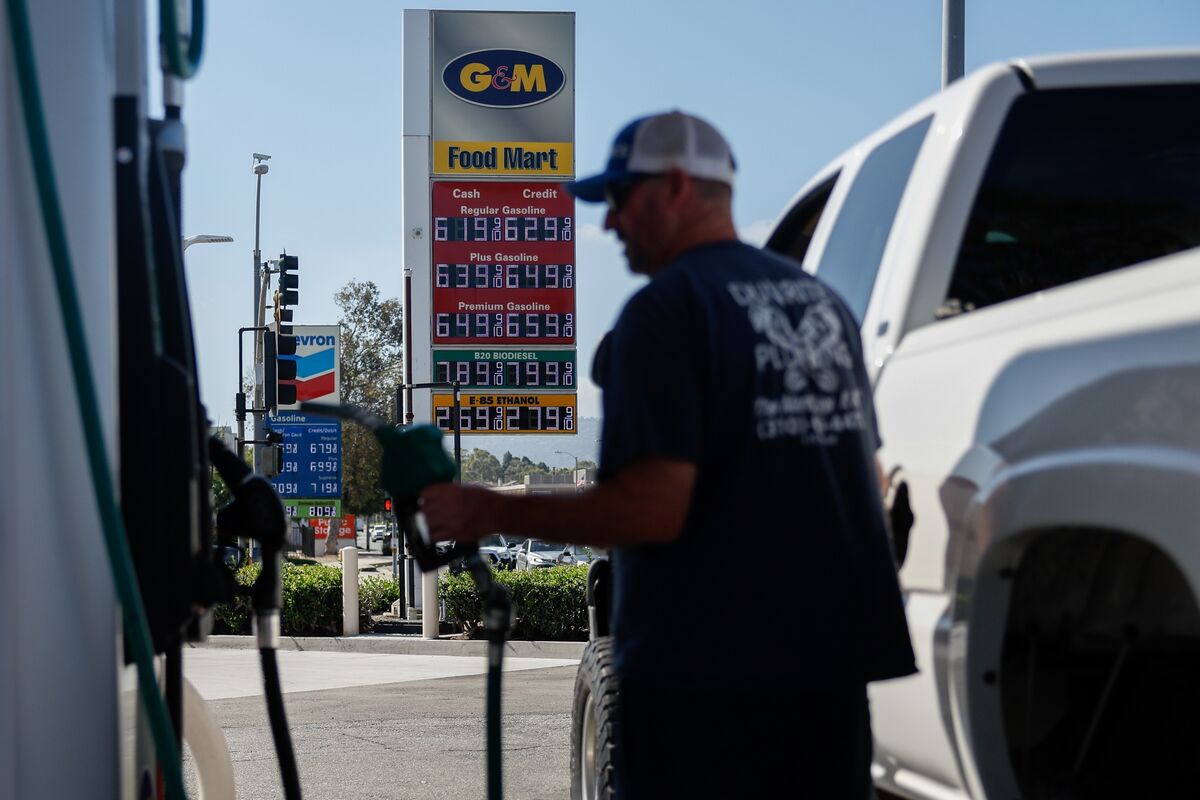
The US is pressuring the European Union to release diesel stockpiles to help contain soaring industrial-fuel prices. Europe faces a supply-crunch risk if Washington follows through on threats to curb diesel exports, leaving the bloc to balance near-term price relief against the need to preserve strategic reserves.
Analysis
The key transmission mechanism is a potentially sharp widening in the Northwest Europe diesel crack versus the U.S. Gulf Coast if transatlantic product flows are constrained. A reserve release could suppress prompt European physical premiums for days to weeks, but it does not add refinery throughput or replace recurring import availability; lower inventories would leave the region more exposed to any refinery outage, cold-weather demand spike, or shipping disruption over the following 1-3 months.
This creates a relative-value setup rather than a broad energy-beta call. U.S.-focused independent refiners such as VLO and PBF have material distillate-margin exposure and would be vulnerable if domestic diesel supply is trapped and U.S. cracks weaken. European integrated refiners including ENI, REP, and TTE could benefit from higher regional product realizations, although the upside is diluted by upstream exposure, European windfall-tax risk, and their ability to source crude and feedstocks.
Consensus may overstate the lasting bearish impact of an inventory draw on European diesel prices. The market will focus initially on released volumes, but prompt relief can perversely increase later scarcity if commercial buyers defer imports while policy uncertainty reduces U.S. cargo commitments. The thesis is invalidated if Washington explicitly exempts diesel from export restrictions, if ARA gasoil inventories rebuild meaningfully for several consecutive weeks, or if European industrial demand weakens enough to compress gasoil cracks despite tighter supply.
AllMind Terminal
AI-powered research, real-time alerts, and portfolio analytics for institutional investors.
Request TrialMarket Sentiment
Overall Sentiment
mildly negative
Sentiment Score
-0.35
Key Decisions for Investors
- Establish a 1-3 month relative-value position: long ENI or REP versus short VLO, sized beta-neutral. The payoff is a widening Europe-versus-U.S. distillate margin; target a 10-15% relative move, with a 5-7% stop if U.S. export-policy risk recedes or U.S. diesel cracks remain firm.
- Use ICE gasoil call spreads or a long ARA gasoil/short NY Harbor ULSD crack-spread expression after any policy-driven prompt price decline. Prefer 2-4 month maturities because the structural risk emerges after stockpile releases are absorbed; avoid initiating before confirming the actual size, timing, and replenishment plan for released inventories.
- Reduce exposure to U.S. independent refiners VLO and PBF into any diesel-policy escalation. Their earnings sensitivity is highest if export restrictions lower domestic distillate pricing faster than crude costs adjust; reassess if exemptions are announced or if quarterly distillate capture rates hold above guidance.
- Maintain a watch alert on European refinery utilization, ARA gasoil inventories, and transatlantic diesel freight rates. A simultaneous draw in ARA stocks and rise in freight would validate physical tightness and justify increasing the Europe-over-U.S. refining spread; inventory rebuilding would argue for closing it.
More News
- US to send third aircraft carrier towards Iran: US official to Al Jazeera
- Dollar at 17-month high as global bond rout hits euro
- Trump says US may ask Europe to release diesel reserves
- Trump launches midterms campaign blitz amid record low approval ratings
- Latest Oil Market News and Analysis for Oct. 2
- US borrowing costs hit 24-year high as global bond sell-off intensifies