
Report: The Electric Deregulation Price Premium
Source: PR Newswire
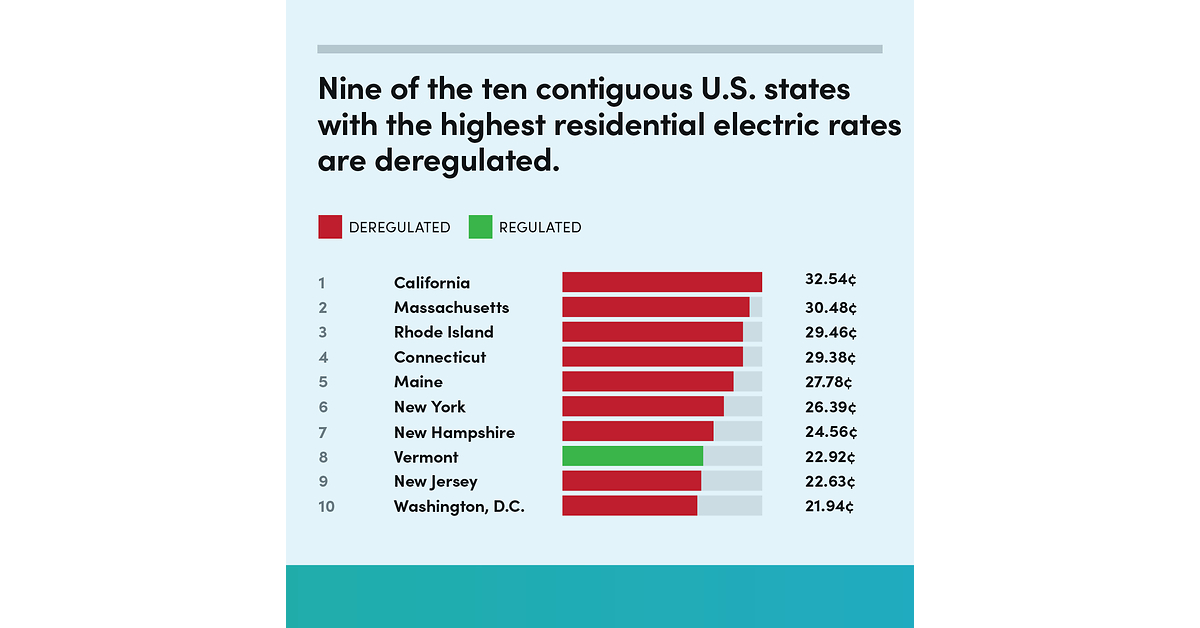
A Power for Tomorrow report using EIA data found residential electricity prices in deregulated states averaged 23.41 cents/kWh in 2025, 60% above the 14.60 cents/kWh paid in traditionally regulated states. Prices in deregulated states rose 7.4% from 2024 to 2025 versus a 4.4% increase in regulated states, with the group arguing that growing data-center and other large-load demand is widening the disparity. Nine of the 10 most expensive contiguous U.S. states for residential power were deregulated, while all 10 cheapest retained traditional utility regulation.
Analysis
This is primarily a political-risk signal, not an investable price catalyst: the sponsor benefits from defending the regulated-utility model, and state-level rate outcomes are heavily confounded by fuel mix, transmission needs, taxes, weather, and legacy policy choices. The relevant mechanism is whether affordability becomes a binding constraint on retail-choice markets just as load growth requires new generation and wires investment. Any move toward tighter retail-margin rules, default-service reform, or re-regulation would be a multi-year headwind for NRG and, to a lesser extent, Vistra (VST), rather than an immediate sector-wide power-price negative.
The more durable beneficiary of rising load is the regulated utility with an approved capital plan and constructive commission, not necessarily the lowest-rate jurisdiction. SO and DUK can convert grid, generation, and interconnection spending into rate base, while merchant generators CEG and VST monetize scarcity but remain exposed to political intervention if household bills become the dominant policy narrative. Over the next 6-18 months, the key divergence will be between jurisdictions allowing timely rate recovery and those imposing affordability-oriented bill credits, deferrals, or disallowances.
Consensus may overread retail-bill pressure as bearish for all power equities. Policymakers can target retail suppliers and customer bills while preserving capacity payments, transmission investment, and reliability incentives; that outcome would favor regulated wires owners and potentially leave CEG relatively insulated versus retail-heavy NRG. The thesis is falsified if state commissions broadly deny data-center-related capital recovery or if incremental load fails to translate into contracted demand and higher authorized rate base.
AllMind Terminal
AI-powered research, real-time alerts, and portfolio analytics for institutional investors.
Request TrialMarket Sentiment
Overall Sentiment
mildly negative
Sentiment Score
-0.32
Key Decisions for Investors
- No standalone trade on this release; treat it as an alert for state regulatory dockets in Texas, Pennsylvania, Illinois, Ohio, New York, and New Jersey. Escalate only on proposed retail-price caps, default-service reform, or formal re-regulation legislation.
- For a 6-12 month policy-risk hedge, consider an equal-dollar long SO and DUK basket versus short NRG. The pair expresses rate-base growth and regulated-load upside against greater retail-margin/regulatory exposure; exit if NRG outperforms the utility basket by 15% or if Texas/ERCOT scarcity pricing materially strengthens NRG earnings expectations.
- Maintain CEG as the preferred merchant-power exposure over NRG/VST where nuclear capacity contracts and wholesale-market fundamentals are the objective. Reassess if retail affordability measures expand into wholesale price caps, capacity-market intervention, or if forward power prices soften enough to reduce 2027-28 earnings visibility.
- Watch quarterly utility guidance for incremental data-center load, interconnection commitments, and authorized capital expenditure. A meaningful upward revision to SO or DUK rate-base plans without offsetting affordability concessions is a more actionable long catalyst than this report.
More News
- Oil falls on report Asia will import highest volume of crude since start of Iran war
- Japan's 10-year bond yield hits 30-year high following sell-off in Treasurys
- America’s Asian allies want a Trump-Xi truce — but not at their expense
- US Debt Selloff Spans Most Maturities: Evening Briefing Americas
- OpenAI’s agent hacked Australia’s Medicare website—the latest rogue AI incident that the company didn’t know about for months
- Chinese authorities reportedly in possession of F-35 components in Hong Kong
From AllMind Research
- Anthropic IPO Preview: Valuation, Timing, and What to Watch
- Shein After the IPO: Venue, Valuation, and What Must Be Proved
- What AI Research Tools Should a Small Hedge Fund Buy First?
- Hebbia Alternatives: A Workflow-Based Buyer’s Guide
- 2026 Global Markets Outlook: Asset Allocation After the Great Disconnect