
ASUS Expands AI Infrastructure Ecosystem from Cloud to Edge
Source: PR Newswire
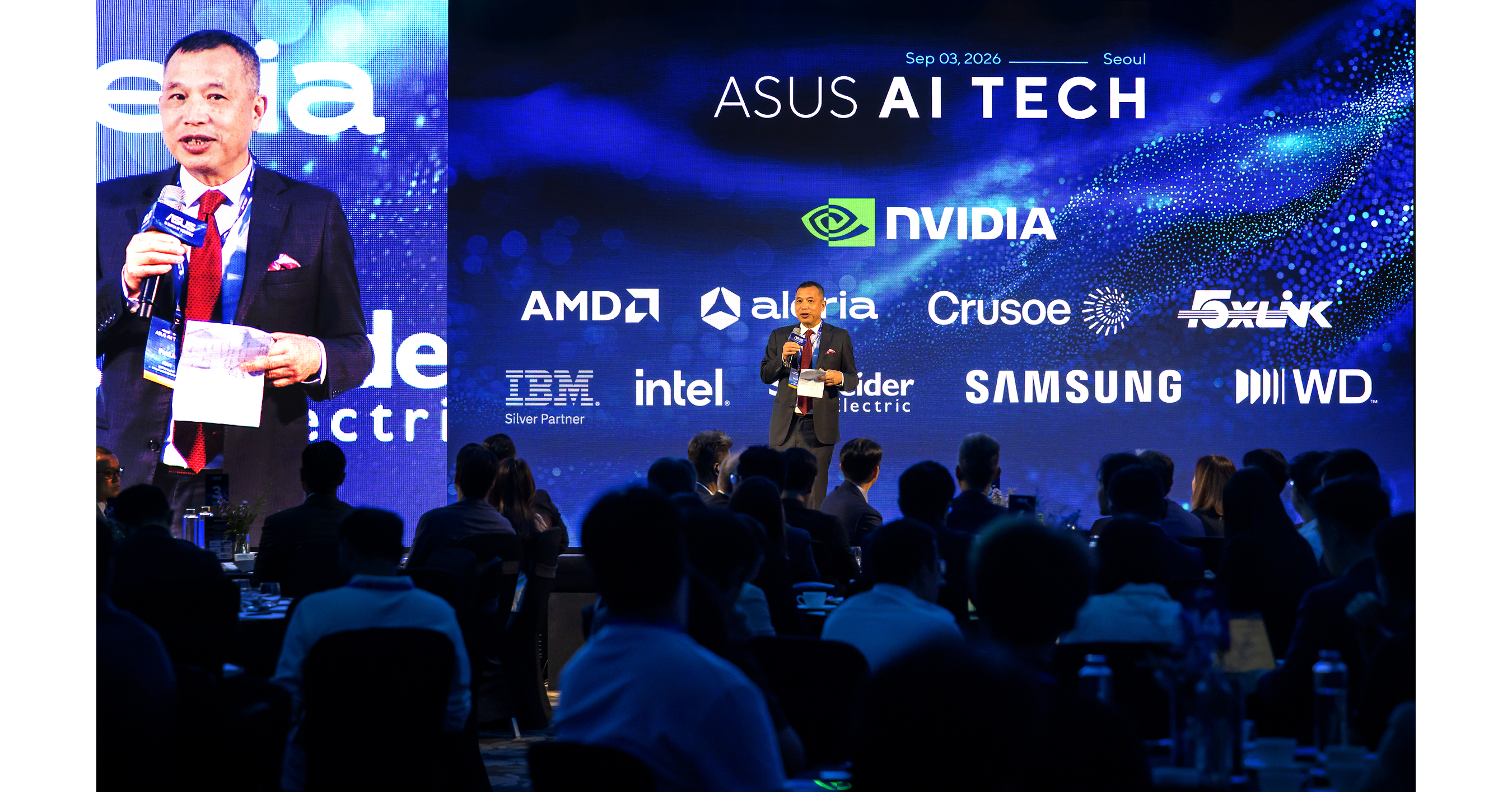
ASUS announced an expansion of its AI infrastructure ecosystem, partnering with Intel, AMD, and additional technology vendors to support AI workloads from cloud to edge. The company showcased Intel Xeon 6–based servers (e.g., RS700-E12-RS4U, RS720-E12-RS12U) and AMD EPYC 9006–based platforms (e.g., RS720A-E14B-R32U, RS500A-E14B-R12U) plus an AMD Instinct MI350P accelerator server (ESC8000A-E13P), targeting inference and agentic AI use cases. It also introduced an edge offering (RUC-2000 series embedded computer) with up to 180 AI TOPS for rugged, on-site deployments.
Analysis
This reads more like an ecosystem-validation event than a revenue inflection. The market should not assign much near-term P&L to ASUS messaging alone, but it does reinforce that AI infrastructure is broadening beyond pure GPU training and that the battleground is shifting to qualified platforms, power efficiency, and deployment density. That favors vendors with multiple sockets into server refresh cycles; it is less helpful for any single-name thesis that depends on one flagship accelerator becoming the standard.
Relative winner set: AMD has the cleaner setup because it participates on both CPU and accelerator content, so even modest server share gains can compound through mix and attach. Intel’s upside is more defensive than transformative: this helps keep Xeon relevant in AI-adjacent workloads, but the economic value per rack is likely lower than the accelerator-centric narrative investors want. On the supply-chain side, SBGSY-like power/thermal names and industrial infrastructure players should benefit over 6-18 months if edge AI moves from pilots to fleet rollouts, since local inference shifts spend toward ruggedized enclosures, power conditioning, and site-level integration.
The contrarian risk is that qualification cycles are long and the edge story is usually over-modeled before procurement budgets are real. In the next 1-3 months, this can fade into noise unless accompanied by backlog, design-win counts, or raised capex guidance from ASUS/partners. The falsifier for an AMD-relative bullish read is any evidence that MI350-class deployments remain niche and that Intel retains CPU share without ceding margin; for the edge thesis, watch whether industrial orders or services bookings actually inflect by mid-2027.
AllMind Terminal
AI-powered research, real-time alerts, and portfolio analytics for institutional investors.
Request TrialMarket Sentiment
Overall Sentiment
mildly positive
Sentiment Score
0.20
Ticker Sentiment
Key Decisions for Investors
- Relative value: long AMD / short INTC on any post-news strength fade, 1-3 month horizon. Rationale: AMD has the better asymmetric exposure to both CPU and accelerator attach; stop if Intel commentary shows AI server share gains or AMD data center growth stalls.
- No chase trade on the headline itself. Treat this as a watchlist catalyst and wait for corroboration in partner backlog, server OEM order flow, or next quarterly commentary before adding risk.
- Over 6-18 months, consider a small long SBGSY as a structural beneficiary of edge AI electrification and thermal management demand. Best entry is on weakness; thesis breaks if edge deployments stay pilot-only and industrial capex softens.
- IBM is a secondary beneficiary only if this translates into integration/services demand. Keep on alert for a services-booking inflection, but do not initiate on the announcement alone.
- Falsify/monitor: if AMD or Intel does not show incremental AI server revenue within 1-2 quarters, assume this was ecosystem theater and rotate out of the trade.
More News
- Nasdaq Index: AI Selloff Deepens as Chips and CoreWeave Break
- Chip Stocks Just Fell 8 Days in a Row, Their Longest Losing Streak Since 2008
- How Nvidia Could Make $150 Billion Look Small
- The Nasdaq-100's 6 Best Stocks This Year, and Whether They Can Keep Going
- 1 Red Flag That AMD Investors Should Be Aware Of Now
- Tech Stock Sell-Off: 1 Unstoppable ETF to Buy on the Dip in 2026