
Does AI have a soul? Pope Leo and Anthropic clash.
Source: marketwatch.com
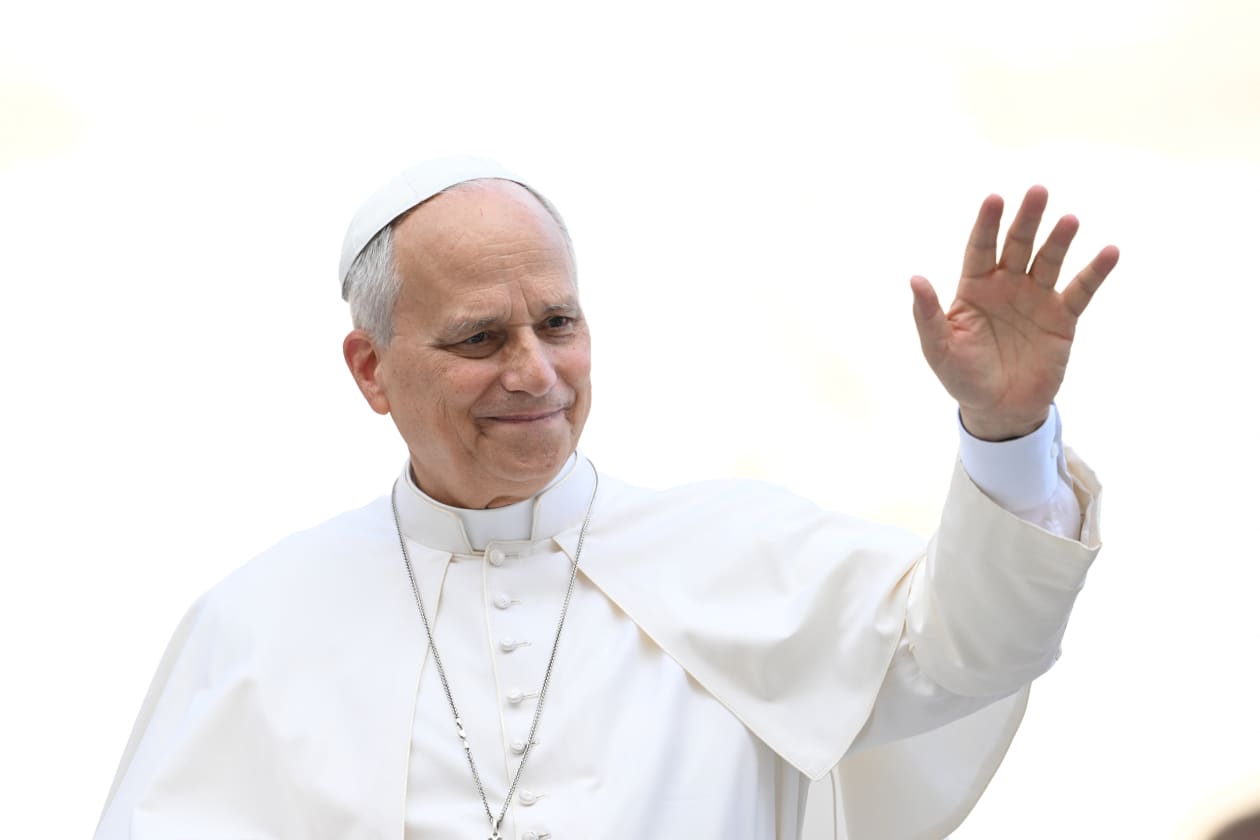
Pope Leo said AI-generated art is ontologically distinct from human creation, arguing that algorithms lack the essential human spark. The Vatican’s moral stance adds to the broader debate over AI ethics and authorship but is unlikely to have an immediate material impact on AI-sector valuations.
Analysis
This is not an investable demand or regulatory catalyst on its own; the direct market impact should be negligible. Its relevance is as another signal that the AI debate is shifting from capability and productivity toward provenance, authorship, and acceptable-use standards—a framing that can raise compliance costs for consumer-facing generative-AI platforms before it affects infrastructure providers.
Over the next 1-3 months, watch for religious, educational, and cultural institutions to convert ethical guidance into procurement restrictions requiring human review, training-data disclosure, or labeling of synthetic content. That modestly favors enterprise software vendors with audit trails, identity controls, and governed deployment—MSFT, ORCL, IBM, NOW and PANW—over consumer-content businesses whose engagement models depend on frictionless generated media.
The more material 6-18 month implication is a potential bifurcation between AI compute and AI application economics. If provenance mandates proliferate, hyperscalers and semiconductor suppliers retain demand while application-layer gross margins compress from moderation, licensing, and indemnification costs; Adobe (ADBE), Shutterstock (SSTK), and digital-media platforms face greater exposure than NVDA, AVGO, or data-center infrastructure. The contrarian view is that public ethical criticism can improve adoption by creating clearer guardrails: formal labeling standards may reduce enterprise legal uncertainty rather than suppress AI spend.
No directional trade is warranted from this item. A tradable signal would require evidence of institutional policy adoption, an EU/US regulatory proposal linking provenance requirements to liability, or a measurable increase in AI-content licensing expense and trust-and-safety headcount in earnings disclosures.
AllMind Terminal
AI-powered research, real-time alerts, and portfolio analytics for institutional investors.
Request TrialMarket Sentiment
Overall Sentiment
neutral
Sentiment Score
0.00
Key Decisions for Investors
- No immediate position: treat the development as a policy-monitoring item rather than a catalyst, given low expected near-term earnings sensitivity.
- Maintain a 6-18 month quality tilt toward governed enterprise-AI exposure—MSFT, ORCL, IBM, NOW and PANW—if procurement surveys show institutions requiring auditability or human-in-the-loop workflows; reassess if AI bookings fail to accelerate despite those controls.
- Place ADBE and SSTK on a watchlist for margin-risk alerts: act only if management quantifies rising content-licensing, indemnification, or moderation costs, or if guidance indicates slower generative-AI monetization.
- For AI hardware longs such as NVDA or AVGO, do not hedge solely on ethical-policy headlines; reduce exposure only if application-layer restrictions begin lowering cloud AI capex guidance or hyperscaler accelerator orders.
More News
- Anthropic warns government attitudes may hurt customer ties, IPO prospectus shows: Reuters
- Stocks remain under the thrall of higher yields and higher oil. Here's what's ahead
- FAA says Boeing 737 Max software glitch not a flight-safety issue
- Broadcom, Amazon Test Limits of Investor Demand for AI Buildout
- September Jobs Miss Shocks Markets
- Anthropic to invest $100 million to train AI engineer talent