
Das Smart-Grid-fähige Energiespeichersystem von DoGo Power wurde auf den Markt gebracht und ist bereit für weltweite Bestellungen
Source: PR Newswire
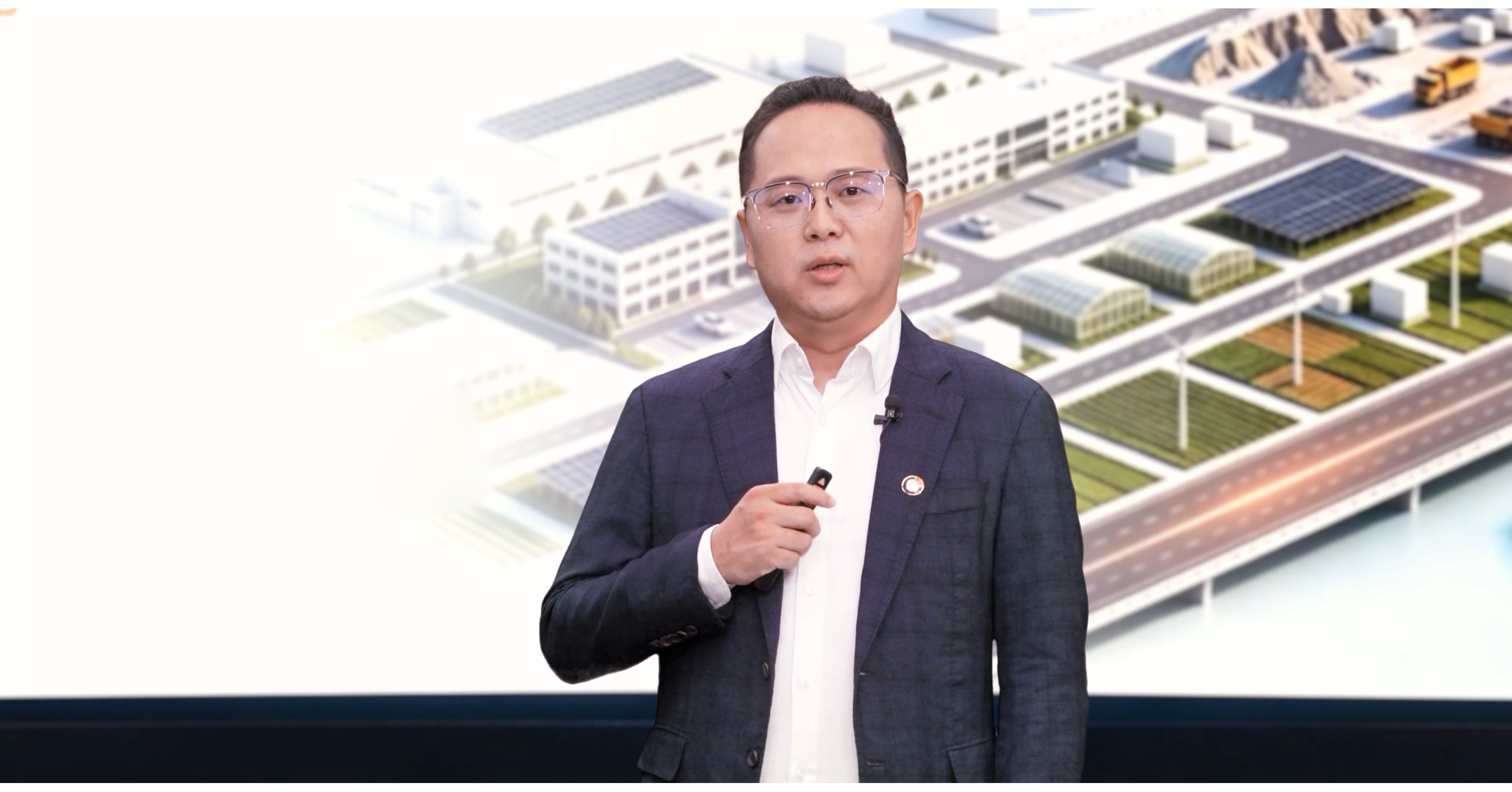
DoGo Power launched globally orderable grid-forming energy-storage systems for commercial and industrial and utility-scale applications, built around its AI-enabled 4S platform. Its C&I system is claimed to reduce upfront investment costs by 1.2 US cents/Wh, cut footprint by 35%, and shorten deployment by 5-7 days, while switching between grid and island modes in no more than 20 ms. The company also introduced AI tools that it says can raise storage revenues by 15%, limit state-of-charge error to 2%, and improve tenth-year battery health by more than 3%; its initial manufacturing capacity totals 10 GWh across three global production centers.
Analysis
This is not yet an investable demand signal; it is a private-vendor product announcement with no disclosed orders, pricing, backlog conversion, certification status, or independently verified operating data. The relevant market implication is that grid-forming capability is shifting from a premium feature toward a procurement requirement in weak-grid and high-renewables markets, raising the value of controls software, power electronics, and bankability rather than battery-cell capacity alone. That favors established system integrators with utility references and service footprints—Fluence (FLNC), Tesla Energy (TSLA), Wärtsilä (WRT1V.HE), Sungrow (300274.SZ)—while increasing commoditization risk for standalone battery suppliers.
Over the next 1-3 months, the primary catalyst is whether grid operators or EPCs begin specifying grid-forming performance, black-start capability, and interconnection support in tenders; product claims alone should not alter earnings estimates. Over 6-18 months, modular systems that reduce site labor and permit staged duration expansion could pressure installed-system pricing and compress gross margins for incumbent integrators unless software/service attach rates offset hardware deflation. The contrarian view is that AI dispatch revenue claims are likely overstated: merchant-storage returns remain driven principally by local power-price spreads, ancillary-service saturation, degradation, and interconnection constraints—not optimization algorithms. A sustained re-rating requires disclosed project wins and measurable lifecycle economics, not technical specifications.
AllMind Terminal
AI-powered research, real-time alerts, and portfolio analytics for institutional investors.
Request TrialMarket Sentiment
Overall Sentiment
strongly positive
Sentiment Score
0.58
Key Decisions for Investors
- No directional position on this announcement. Set an alert for disclosed DoGo utility-scale awards, third-party grid-code certifications, or named EPC partnerships; absent these, treat the news as low-signal marketing rather than a competitive inflection.
- Maintain a 6-12 month quality tilt toward FLNC versus battery-cell-exposed names such as CATL (300750.SZ): grid-forming procurement should increase the strategic value of integration and controls, but only add if FLNC converts its pipeline into margin-stable backlog. Falsifier: further gross-margin erosion or project-loss provisions despite backlog growth.
- Watch TSLA Energy segment margins and Megapack deployment commentary at the next earnings release. A long TSLA Energy thesis becomes more credible if management shows continued storage gross-profit expansion despite falling system prices; avoid using the broader TSLA equity as a pure storage proxy because autos still dominate valuation and volatility.
- For a sector catalyst, monitor new tender language from ERCOT, CAISO, the UK ESO, and Australian grid operators over the next two quarters. A rise in explicit grid-forming or black-start requirements would support FLNC/WRT1V.HE and inverter suppliers; continued preference for lowest-cost grid-following systems would invalidate the premium-controls thesis.
More News
- Wall Street’s Nasdaq hits all-time high as AI frenzy gathers pace
- Oil falls on increased Gulf supply and hopes for US-Iran talks
- Data-Center Bet Makes ESDS One of India’s Best New Listings
- Asia stocks ride tech wave higher, oil stays subdued
- South Korean solar stocks jump as curbs on Chinese sector expected to remain in place
- ‘I have a big decision to make’: Trump had a ‘good meeting’ with Iranian officials warning he may ‘annihilate the Islamic Republic’
From AllMind Research
- Anthropic IPO Preview: Valuation, Timing, and What to Watch
- Shein After the IPO: Venue, Valuation, and What Must Be Proved
- What AI Research Tools Should a Small Hedge Fund Buy First?
- Capital IQ Alternatives for Research and Deal Work
- Research Workflows, Report Format Selection, and Interactive Synthesis