
3 ETFs to Ride Dow's 1,500-Point Surge as Democrats Take Over Congress
Source: zacks.com
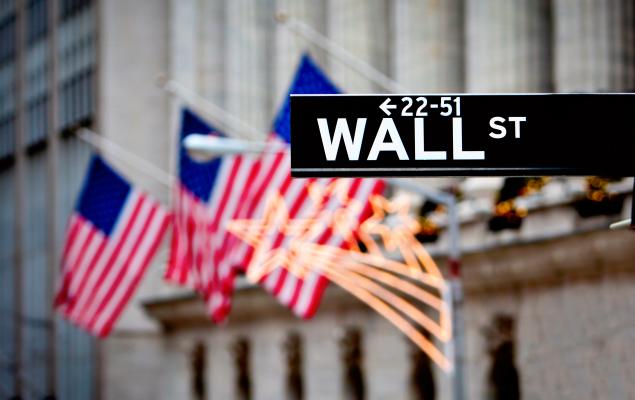
The Dow rose 1,569.40 points, or 3.03%, on Nov. 4, 2026, its strongest post-midterm-election session since 1982; the Nasdaq and S&P 500 each gained 1.5%. The article attributes the rally to relief after Democrats won control of both congressional chambers and a rotation into large-cap value stocks, including UnitedHealth (+4.2%), Walmart (+3%), 3M (nearly +17%) and Goldman Sachs (+3.6%). It highlights DIA, DJD and leveraged DDM as ways to access Dow exposure; their reported year-to-date gains were 10.9%, 22% and 17.5%, respectively.
Analysis
The rally is a flow signal, not yet evidence of a durable value regime change. The article’s “gridlock” rationale is internally uncertain: control of both chambers is not divided government, and the president’s party and veto leverage are unspecified. Near term, election-related positioning can unwind quickly if the next inflation, rates, or earnings data dominate policy relief. Over 1–3 months, test the rotation through Dow-versus-Nasdaq relative performance and breadth, not a single session. A sustained rise in Treasury yields could also hurt rate-sensitive value and dividend exposure.
The constituent moves are not one trade. UNH’s reaction to an assumed reduction in healthcare-spending-cut risk may be fragile; legislative control could instead increase scrutiny of insurer pricing or reimbursement. GS may face a different regulatory path than the article’s lower-risk-premium narrative implies. MMM’s unusually large move is an idiosyncratic outlier until a company-specific catalyst is verified; do not treat it as evidence of broad industrial strength. DIA is price-weighted, so high-priced constituents can influence returns disproportionately. DJD’s yield screen may concentrate exposure in names with weaker price momentum, while DDM’s daily 2x leverage compounds path risk and is poorly suited to a multi-month political thesis.
Contrarian read: the cleaner catalyst may be positioning relief, already reflected in prices, rather than a fundamental earnings upgrade. Structural upside requires policy predictability to translate into estimates and capital spending; that is not established here.
AllMind Terminal
AI-powered research, real-time alerts, and portfolio analytics for institutional investors.
Request TrialMarket Sentiment
Overall Sentiment
moderately positive
Sentiment Score
0.55
Ticker Sentiment
Key Decisions for Investors
- Do not chase DDM after a one-day gap. If seeking Dow exposure, prefer unlevered DIA and stage entry only if Dow/Nasdaq relative strength persists over coming sessions; define failure as the relative-strength breakout reversing.
- Treat a long DIA / short QQQ pair as a watchlist trade, not an immediate recommendation. Require follow-through in breadth and earnings revisions over the next 1–3 months; close the thesis if the relative spread rolls over or macro data reasserts a growth-led rally.
- Verify the policy premise before trading UNH or GS: monitor proposed healthcare reimbursement/pricing measures and financial-regulatory appointments. A concrete adverse policy signal would falsify the article’s relief thesis for those holdings.
- Check for a company-specific explanation for MMM’s outsized move before attributing it to the election. If no fundamental catalyst or estimate revision supports the repricing, avoid extrapolating it to the wider industrial sector.
More News
- ARM Holdings earnings analysis: questions answered and next catalysts
- Zipline hits $21.5B valuation as Walmart expands bet on drone delivery
- Hyatt’s Mark Vondrasek sells $962,513 in stock
- Zipline Hits $20 Billion Valuation as Walmart Deal Expands
- KDT Ibotta Holdings, 10% owner, sells $41.8M of Ibotta stock
- Goldman Sachs raises Peloton stock price target on improving trends