
Mira Launches Cortisol Pattern™ Kit To Redefine Stress Tracking in Women's Health
Source: PR Newswire
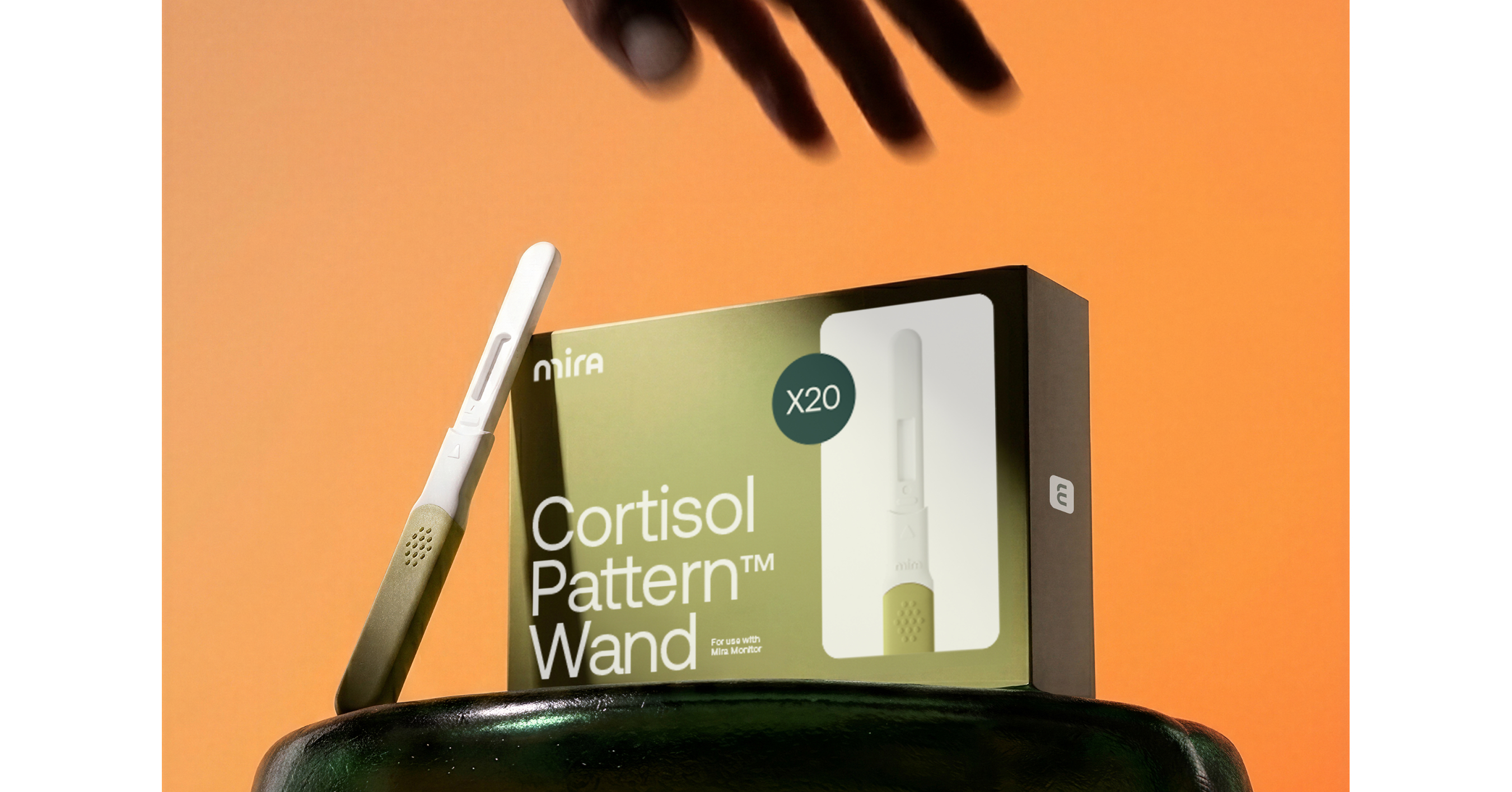
Mira launched the Cortisol Pattern Kit, an at-home urine-based wellness test that directly measures urinary free cortisol and integrates stress-pattern data with users' hormone and cycle tracking. The system builds a personalized baseline after roughly one week of daily testing, with twice-daily tests recommended to assess morning-to-evening patterns. The kit and 20- or 30-wand refill options opened for waitlist sign-ups on September 22, expanding Mira's platform beyond reproductive and hormonal health for its more than 350,000 existing users.
Analysis
This is primarily a private-company product-extension signal, not an investable catalyst by itself. The economic question is whether the consumable cadence can materially raise lifetime value without increasing churn: a longitudinal testing protocol can create recurring revenue and improve retention, but only if users perceive the readings as actionable rather than as another wellness metric. The absence of diagnostic positioning lowers regulatory friction, but also limits clinical credibility, reimbursement potential, and pricing power.
Public wearable platforms — AAPL, GRMN and GOOGL — face little near-term revenue risk because their stress features are embedded in broader hardware ecosystems. The more relevant second-order risk is strategic: if biologic-signal testing gains consumer traction, wearable vendors may need to partner for, acquire, or develop adjunct biochemical testing to defend their position as the consumer-health data hub. Conversely, direct cortisol measurement may prove less compelling than wearables if repeated sample collection creates adherence friction; that is the central commercialization risk over the next 3-12 months.
Consensus should not treat a direct biomarker as inherently superior commercially. A personal baseline is only valuable if it changes behavior, and wellness claims constrain the company from tying results to disease management or treatment outcomes. The important validation points are waitlist-to-purchase conversion, repeat refill rates after the initial baseline period, gross margin on wands, and whether users add the product rather than substitute away from existing fertility/hormone testing. Until those data emerge, this is a category-monitoring item rather than a tradable disruption thesis.
AllMind Terminal
AI-powered research, real-time alerts, and portfolio analytics for institutional investors.
Request TrialMarket Sentiment
Overall Sentiment
mildly positive
Sentiment Score
0.32
Key Decisions for Investors
- No directional public-equity trade on the launch; Mira is private and the announcement provides no pricing, unit-sales, refill, or gross-margin data needed to underwrite an earnings impact.
- Set a 3-6 month diligence alert on AAPL, GRMN and GOOGL consumer-health strategy: evidence of partnerships, biomarker-testing integrations, or management commentary on biochemical monitoring would support a modest long basket versus pure-play wearable exposure.
- Monitor publicly traded at-home diagnostics names including LH and QDEL for category read-through, but only consider a position after independently verified repeat-purchase data show that consumer hormone/stress testing can sustain consumable demand; falsify the thesis if adoption remains limited to initial-kit sales or if marketing claims draw FDA scrutiny.
- For private-market diligence, require cohort retention and refill data through at least two repurchase cycles before assigning a recurring-revenue premium; weak post-baseline usage would imply a low-margin, promotion-dependent wellness accessory rather than a durable diagnostics platform.
More News
- Wall Street’s Nasdaq hits all-time high as AI frenzy gathers pace
- Data-Center Bet Makes ESDS One of India’s Best New Listings
- Asia stocks ride tech wave higher, oil stays subdued
- Trump Says US Team Met With Iranians at UNGA
- U.S. regulators rush to write crypto rulebook after Clarity Act stalls in Senate
- Meta is breaking out after introducing Muse AI agent. Where the stock is going, according to the charts