
KI-gestützte Sicherheit für Macau: CTM und Huawei kooperieren, um die Netzwerksicherheit im Zeitalter der KI zu stärken
Source: PR Newswire
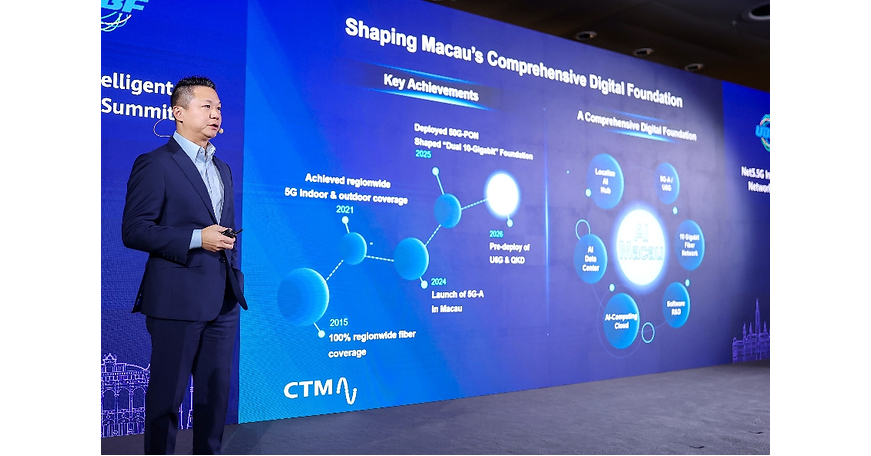
CTM and Huawei presented plans to strengthen Macau’s networks with AI-enabled traffic optimization, integrated security, and a future IP architecture incorporating quantum key distribution (QKD). CTM says the upgrades could improve user experience, reduce international bandwidth costs, and support security-service monetization for government and enterprise customers; no financial figures or deployment timetable were provided.
Analysis
The investable signal is not the technology announcement itself but whether CTM can turn network features into paid enterprise services and lower bandwidth costs. If customers pay for differentiated reliability and security, the operator could defend enterprise relationships and capture more value per connection; Huawei could benefit as a vendor, but deployment economics and customer adoption are unverified. Bundling basic DDoS and intrusion controls may pressure standalone security providers at the low end, while complex enterprise security is less readily displaced because buyers typically require independent controls and multi-vendor architectures.
The QKD element is the least bankable part of the thesis: it may support a limited set of high-security links, but post-quantum cryptography offers a potentially more scalable migration path. Treat QKD as validation activity, not evidence of a broad near-term revenue pool. Huawei’s involvement also creates procurement and geopolitical-risk exposure for operators serving customers with vendor restrictions.
Days: limited read-through; this is a promotional roadmap, not verified deployment or revenue. Over 1–3 months, look for named customer contracts, paid security-service uptake, and measurable bandwidth or operating-cost savings. Over 6–18 months, assess whether automated operations improve service economics and whether security revenue offsets implementation costs. The thesis weakens if adoption remains pilot-based, customers resist bundled security, or costs rise without improved retention or margins. No clear public-equity trade follows from the supplied identities; CTM and Huawei have no supplied ticker mappings.
AllMind Terminal
AI-powered research, real-time alerts, and portfolio analytics for institutional investors.
Request TrialMarket Sentiment
Overall Sentiment
mildly positive
Sentiment Score
0.25
Key Decisions for Investors
- No immediate position: avoid trading the announcement as proof of earnings growth; treat it as a watch item pending commercial validation.
- Track CTM’s disclosed enterprise wins, security-service attach rates, realized international-bandwidth savings, and network-related capex/opex. These are the evidence needed to establish whether the offer creates incremental margin rather than shifting costs.
- Monitor competitive implications for Nokia, Cisco, Fortinet, and Palo Alto Networks: operator bundles could pressure basic network-security pricing, but do not short specialists without evidence of customer substitution or weaker guidance.
- Treat QKD as a long-dated, narrow-market option rather than a near-term catalyst; reassess if deployments move beyond pilots or if customer procurement favors QKD over software-based post-quantum upgrades.
More News
- AI rapidly improving, could vastly boost U.S. GDP, Anthropic's Clark tells policymakers
- AI stocks plunge. Inflation heats up. Where we're still finding opportunities
- Nasdaq Index: AI Selloff Deepens as Chips and CoreWeave Break
- ‘How many canaries have we killed in the coal mine?’ — Wall Street debates if the latest AI bubble warnings are another head fake or the real thing
- Bending Spoons wants to revive software castoffs. Berkshire is backing the plan
- Iran-backed Houthis strike Yemen’s Aden: What that means