
Die Smart City Expo 2026 geht zu Ende und hat die tatsächlichen Auswirkungen städtischer Lösungen aufgezeigt
Source: PR Newswire
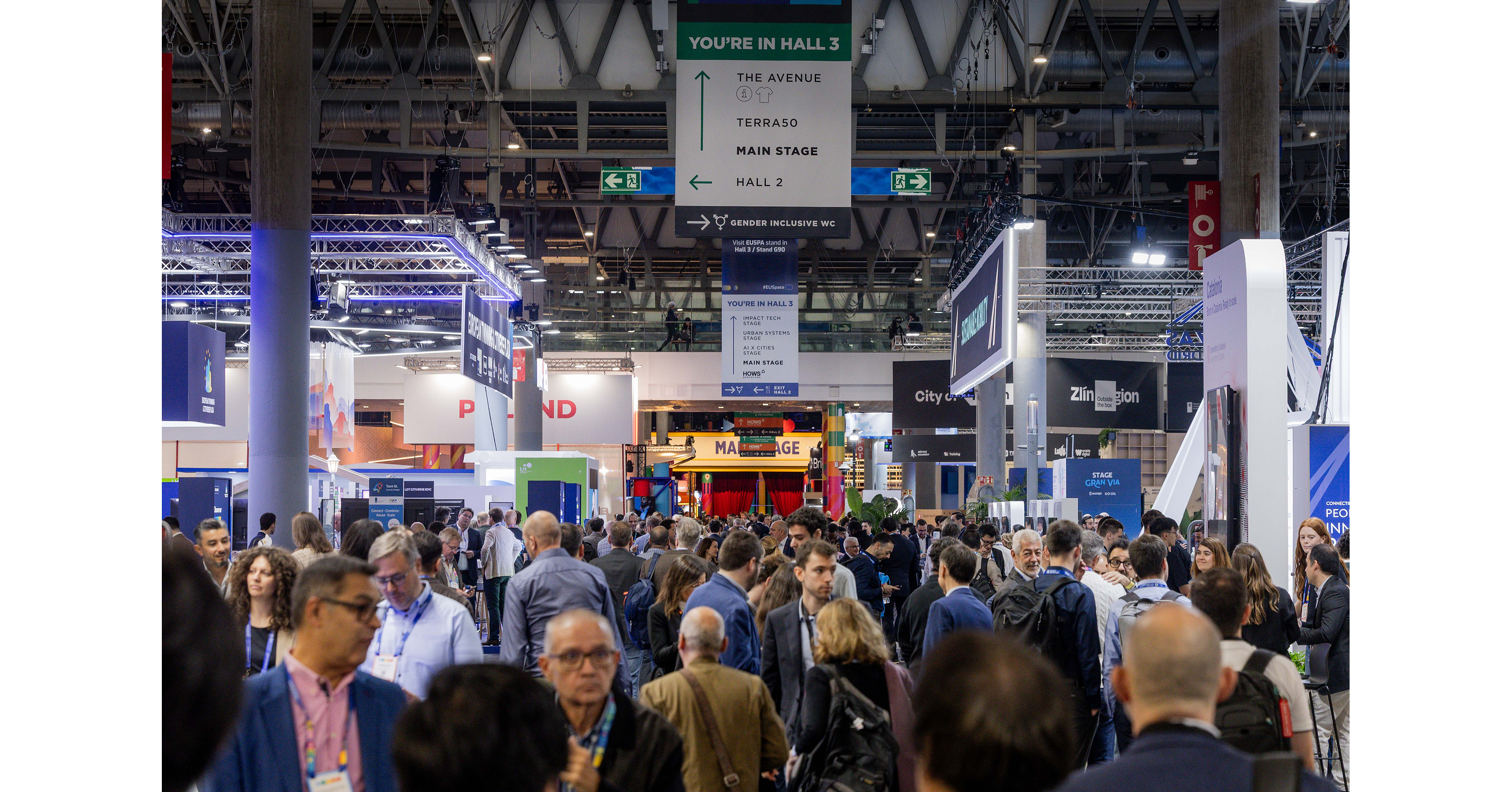
Der Smart City Expo World Congress in Barcelona schloss seine 15. Ausgabe mit 29.721 Besuchern aus 140 Ländern und 1.276 Ausstellern ab. Das Programm brachte 668 internationale Fachleute und Vertreter von mehr als 1.000 Städten zusammen und behandelte unter anderem bezahlbaren Wohnraum, Klimaschutz und Mobilität. Tokio erhielt für „C³ Powering Tokyo“ den World Smart City Award 2026.
Analysis
The investment signal is procurement conversion, not conference scale: attendance, exhibitor participation and an award do not establish funded contracts, recurring software revenue or deployment economics. The likely beneficiaries—if municipal budgets turn into tenders—span cloud/AI providers, telecom and sensor networks, mapping and systems integration, and water/waste operators. But fragmented city procurement, legacy-system integration, cybersecurity requirements and multi-year approvals can defer revenue and dilute vendor economics; the burden may fall on integrators rather than the headline technology providers. Housing affordability is a particularly weak near-term demand proxy: political urgency does not by itself solve land, permitting or financing constraints.
Near term (days), there is little basis for a sector repricing from this event alone. Over 1–3 months, track tender notices, awarded contracts and municipal budget approvals, especially for repeatable deployments rather than pilots. Over 6–18 months, evidence of scaled renewals and measurable operating savings would support a stronger thesis for vendors such as Microsoft, Google, Deutsche Telekom IoT, Esri, Veolia and FCC Enviro; the event provides no company-specific revenue evidence. Tokyo’s award is a case study, not proof of broad adoption.
Contrarian view: the optimistic “ready to scale” message may overstate cities’ ability to fund and integrate projects. Conversely, a real procurement cycle could benefit less-visible engineering and integration providers more than AI hardware suppliers. No trade is justified from this release alone. Falsify the cautious view only with disclosed, material multi-city awards, repeat deployments or guidance revisions; a rise in pilot announcements without funded follow-through would reinforce it.
AllMind Terminal
AI-powered research, real-time alerts, and portfolio analytics for institutional investors.
Request TrialMarket Sentiment
Overall Sentiment
mildly positive
Sentiment Score
0.20
Key Decisions for Investors
- No immediate trade: avoid treating exhibitor counts or conference enthusiasm as earnings catalysts for a broad smart-city basket.
- Set a 1–3 month watchlist for funded city tenders, contract awards and renewal evidence involving Microsoft, Google, Deutsche Telekom IoT, Esri, Veolia and FCC Enviro; verify contract size, scope and whether each vendor is prime or subcontractor before sizing exposure.
- If procurement evidence emerges, assess integrators and established municipal infrastructure operators alongside AI/cloud names; do not assume AI hardware captures the largest share of project economics.
- Falsification trigger: multiple material, funded deployments or company guidance that explicitly attributes incremental revenue to municipal programs. Pilot announcements without budgets, or delayed/cancelled tenders, argue against the theme.
More News
- Further turmoil could be in store for tech stocks. What to watch in the week ahead
- Tech stock rout, driven by US AI fears, continues in Asian trading
- Asian Markets Tally Losses From Worsening Global Rout
- AI’s Grip on Financial Markets Was Never Clearer on the Way Down
- Elon Musk once said the Cybertruck would be Tesla’s ‘best product ever.’ Now he’s winding down production
- AI stocks hammered by midterm shock as data center buildout becomes a 'war of attrition'