
California October Heat Nears 100F as Power, Fire Risks Rise
Source: Bloomberg
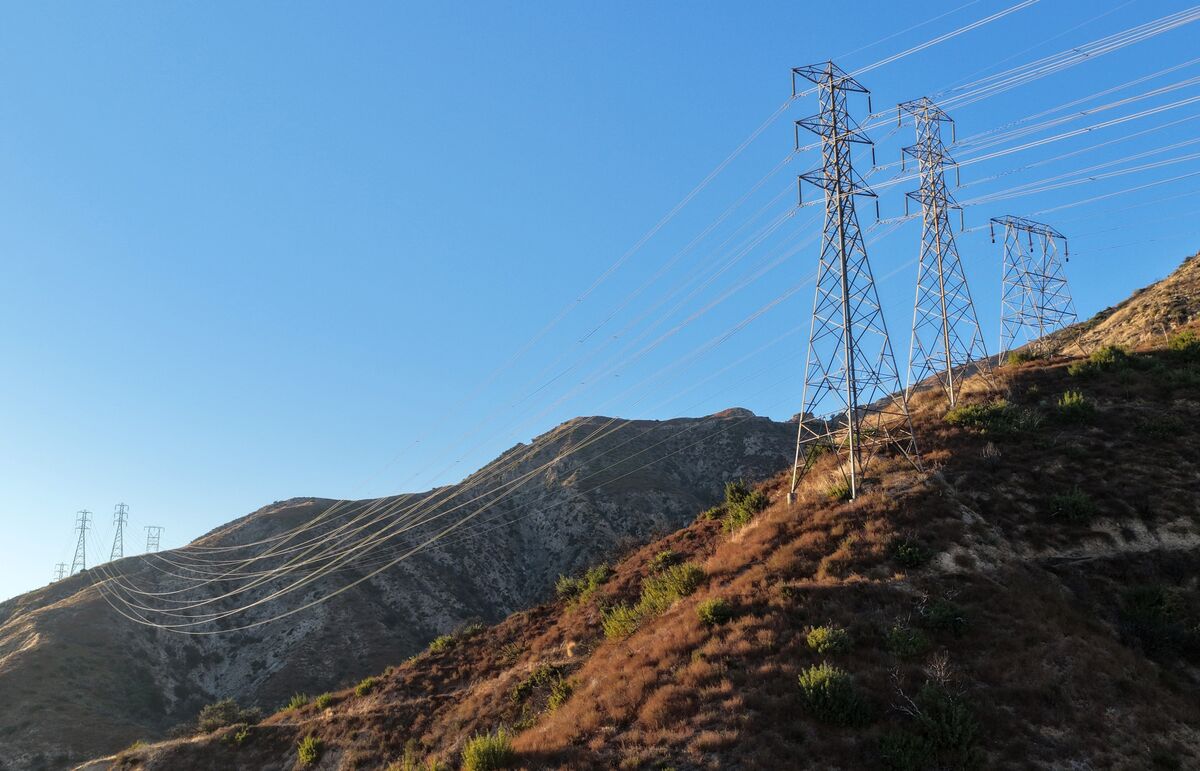
Southern California temperatures are forecast to reach as high as 98F through the weekend, with downtown Los Angeles expected to hit 90F on Thursday. The early-October heat wave is expected to lift electricity demand and increase wildfire risk, while an extreme heat watch covers inland areas of Los Angeles, San Diego, Orange, San Bernardino and Riverside counties from Friday through next Wednesday.
Analysis
The investable transmission channel is not broad utility demand but California’s evening net-load ramp: late-season heat coincides with shorter daylight hours, making battery dispatch, gas peakers and imported power more valuable than midday solar generation. A short heat episode can lift CAISO real-time prices materially without moving full-quarter utility earnings; the immediate beneficiaries are merchant generators with Western exposure, while regulated utilities retain limited upside because fuel costs are largely passed through.
The asymmetric equity risk sits with EIX and, to a lesser extent, SRE: elevated fire-weather conditions can widen the market-implied liability discount even before a verified ignition, particularly where utilities face scrutiny over vegetation management and de-energization decisions. PCG is not a clean hedge because its service territory is less directly exposed to Southern California conditions and its equity remains dominated by post-bankruptcy regulatory and capital-structure considerations.
Over the next several days, monitor CAISO peak-load forecasts, evening reserve margins, wholesale power prices and Red Flag Warning upgrades rather than temperature headlines. A sustained grid-tightness event would improve the near-term earnings setup for CEG and NRG more than for California utilities, but the impact is likely immaterial unless heat persists into multiple billing cycles or produces actual infrastructure disruption. Contrarian view: markets often overprice wildfire liability on weather alerts; absent an ignition tied to utility equipment, EIX’s downside is more likely sentiment-driven than fundamental.
For the 6-18 month horizon, repeated autumn heat would reinforce California’s capacity-value premium for storage and flexible generation, favoring FLNC and NRG strategically, while raising utilities’ wildfire-mitigation capex and financing needs. The thesis fails if cooler forecasts restore reserve margins, CAISO imports remain ample, or fire-risk conditions recede without operational incidents.
AllMind Terminal
AI-powered research, real-time alerts, and portfolio analytics for institutional investors.
Request TrialMarket Sentiment
Overall Sentiment
mildly negative
Sentiment Score
-0.32
Key Decisions for Investors
- No outright utility short solely on the weather alert; set a tactical watch on EIX. Consider a 1-4 week short only if Red Flag conditions escalate alongside outage/de-energization actions or a credible ignition investigation. Cover if warnings are lifted without an incident, as liability-risk repricing can reverse quickly.
- Monitor CAISO day-ahead and real-time evening pricing through the event window; if peak prices and reserve scarcity persist for 2+ consecutive days, initiate a small tactical long CEG versus XLU for 1-3 months. The trade captures merchant-power optionality while reducing regulated-utility rate-base exposure; exit on normalization of reserve margins.
- For a structural 6-18 month expression of recurring California grid tightness, maintain FLNC on watch rather than buy immediately. Upgrade only if new storage awards, improved backlog conversion, or margin guidance validates that capacity-value demand is translating into profitable deployments.
- Avoid broad long exposure to California utilities as a heat trade. Incremental demand is largely regulatory pass-through, while wildfire mitigation capex, insurance costs and potential liability create an unfavorable asymmetry for EIX and PCG.
More News
- UK Prime Minister Burnham says Iran 'played a part' in British air base incident
- Asian stocks dip, bonds in focus after torrid September
- September Ends on a Grim Market Note: Evening Briefing Americas
- Asia stocks rise on chipmaker gains, soft U.S. inflation; Nikkei outperforms
- Asian factory activity expands thanks to global AI boom
- Fed's preferred inflation gauge cooler than expected, likely delaying rate hike to December
From AllMind Research
- Anthropic IPO Preview: Valuation, Timing, and What to Watch
- Shein After the IPO: Venue, Valuation, and What Must Be Proved
- What AI Research Tools Should a Small Hedge Fund Buy First?
- What Exactly Does Post-Training in LLMs and Finance-Focused AI Actually Mean for Asset Managers?
- What Is a Financial Ontology?