
CrownPoint Partners Closes $26 Million in Healthcare Sale-Leaseback Transactions Across Sun Belt Markets
Source: PR Newswire
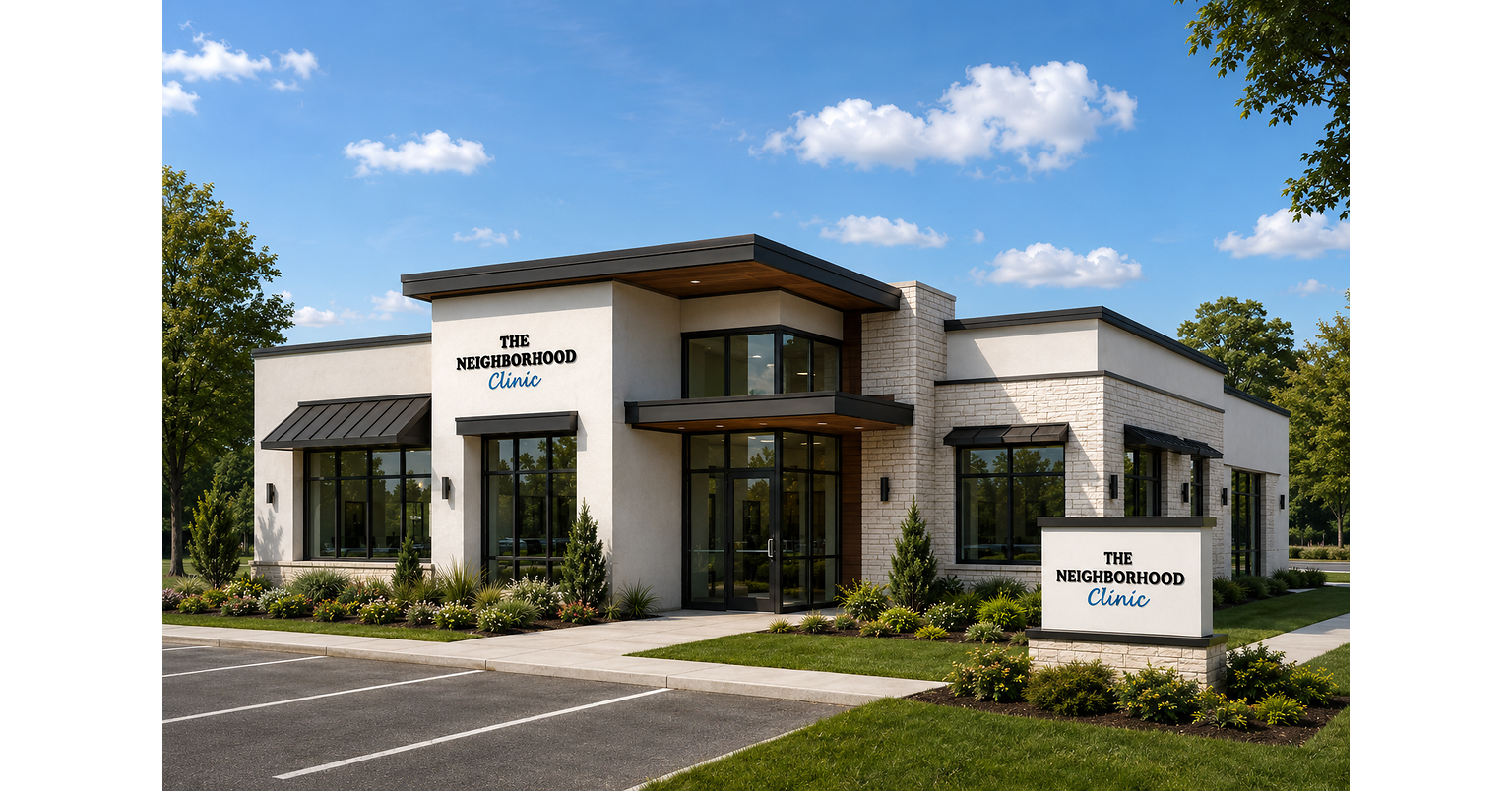
CrownPoint Partners announced nearly $26M in closed healthcare sale-leaseback transactions, using 30-year net lease terms with 2% annual rent increases tied to properties occupied by The Neighborhood Clinic. The deal is positioned as a liquidity/capital-unlocking strategy for the operating company while creating long-term contracted income for acquiring investors. Overall, this is incremental and likely limited to the involved real estate/investment actors rather than broad market repricing.
Analysis
This is best read as a financing signal, not a growth signal. Sale-leasebacks usually show management prefers liquidity and balance-sheet flexibility over retaining real estate optionality, which tends to happen when capital is available but not cheap. The immediate beneficiaries are the capital providers who can underwrite long-duration contractual cash flows; the hidden loser is the operating company’s future equity, which inherits fixed rent and less operating leverage.
The second-order effect is on credit quality, not just real estate demand. Repeated monetization of owned properties creates a quasi-permanent funding channel, but it also raises lease-adjusted leverage and reduces cushion if reimbursement pressure, wage inflation, or utilization softness hit clinic cash flow over the next 6-18 months. A 2% annual rent step-up is fine in a low-inflation regime, but if inflation or rates stay sticky, the investor is effectively long duration at a real yield that can be eroded quickly.
Consensus may overread this as proof of resilience in healthcare services. The more skeptical read is that asset sales can be a lagging indicator of tighter liquidity discipline at the operator level, especially in fragmented outpatient businesses where growth capex and working capital demands are recurring. Unless proceeds are clearly tied to accretive expansion or debt de-risking, this looks like balance-sheet management rather than a true fundamental inflection.
AllMind Terminal
AI-powered research, real-time alerts, and portfolio analytics for institutional investors.
Request TrialMarket Sentiment
Overall Sentiment
mildly positive
Sentiment Score
0.15
Key Decisions for Investors
- No immediate directional trade on this headline alone; the transaction size is too small to move public comps. Treat it as a watch item for broader healthcare sale-leaseback volume and cap-rate trends over the next 1-3 months.
- Conditional long: buy a small basket of healthcare/lease-duration REIT proxies on weakness, favoring DOC and O, versus VNQ, if Treasury yields stabilize and follow-on sale-leaseback activity persists. Target 5-8% relative outperformance over 1-3 months; stop if the 10Y Treasury rises more than 50 bps from here.
- Fade operators that repeatedly monetize property to fund operating needs: short or avoid names where lease-adjusted leverage rises and sale-leaseback proceeds are not explicitly tied to growth capex or debt reduction. Confirm with next earnings and lease obligations before acting.
- Watch private-credit and healthcare CMBS spreads as the real falsifier. If cap rates widen by 50-75 bps or healthcare credit spreads gap out, the current liquidity-support thesis likely flips into a distress signal.
More News
- ‘I told you so’: China’s chip sector is making breakthroughs—and U.S. export controls are the reasons why
- CoreWeave credit default swaps hit distress levels as investors sour on AI debt
- The IPO drought is driving private equity-owned companies to the debt market to pay investors
- Hybe shares jump 10% as K-pop sensation BTS' tour lifts earnings hopes
- Giant Taiwanese chipmaker TSMC confirms it’s in talks with Elon Musk to join ‘Terafab’ complex in Texas: ‘The AI market continues to be very strong’
- What's behind the sell-off in AI neocloud stocks like CoreWeave and Nebius
From AllMind Research
- Anthropic IPO Preview: Valuation, Timing, and What to Watch
- Shein After the IPO: Venue, Valuation, and What Must Be Proved
- What AI Research Tools Should a Small Hedge Fund Buy First?
- The $4.7 Trillion Bet: When Does AI Capex Become AI Revenue?
- Equity Research Automation Statistics: A 2026 Evidence Check