
Nearly Half of U.S. Families Cannot Afford Diapers; Experts Tell Congress that Providing Diapers Will Save Tax Dollars
Source: PR Newswire
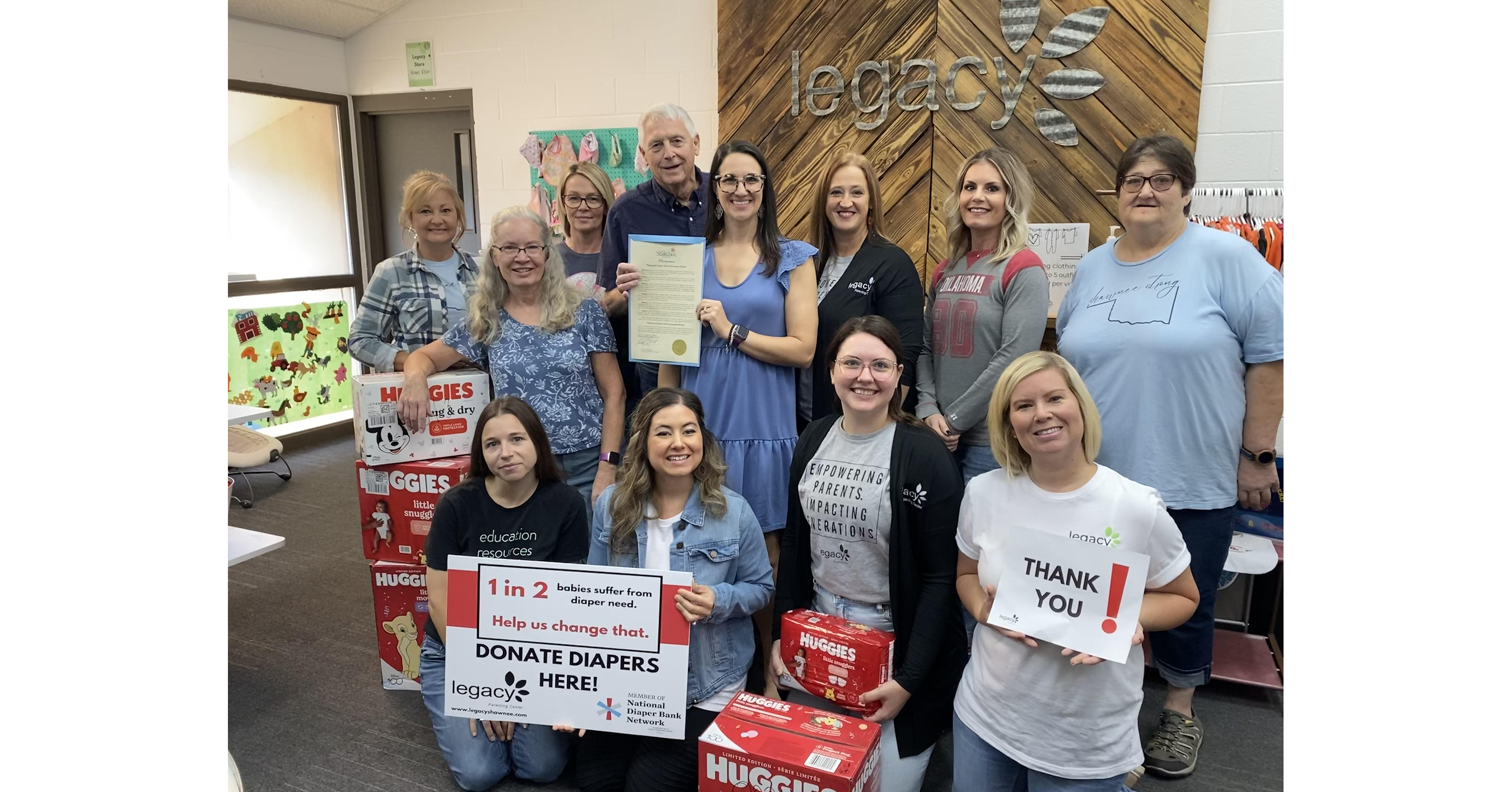
Nearly half of U.S. families reportedly cannot afford sufficient diapers, according to the National Diaper Bank Network's 2026 survey. NDBN and the Urban Institute will present a Medicaid-focused microsimulation analysis to Congress on September 15, arguing that diaper provision could improve maternal and child health outcomes while reducing Medicaid spending. The announcement is advocacy-oriented and does not include a proposed funding amount, legislative text, or quantified federal budget savings.
Analysis
This is not yet a federal-policy trade: a congressional briefing and advocacy-sponsored model do not create an appropriated benefit, and Medicaid’s state-administered structure makes any adoption path fragmented. The nearer-term signal is political optionality around a low-cost family-support measure that can be framed as both public-health and labor-force policy; bipartisan sponsorship modestly improves its durability versus a purely partisan benefit proposal. The relevant catalyst is whether the model quantifies budget savings strongly enough to drive a state pilot, Medicaid waiver request, or inclusion in a broader child-tax/health package over the next 6-18 months.
KMB and PG have upside only if a program is structured as a reimbursable product benefit rather than unrestricted cash assistance, but incremental category volume would likely be immaterial to consolidated earnings even under several state pilots. The more meaningful competitive question is procurement: public purchasing would favor lowest delivered cost, which could shift mix toward private-label suppliers and retailers such as WMT, TGT, and CVS rather than premium branded diapers. KMB/PG therefore face a modest mix-risk tradeoff—higher unit demand but potentially lower realized pricing and stronger tender leverage.
Contrarian view: investors may overestimate the addressable-market impact from policy headlines. Families receiving support may substitute funded units for existing purchases rather than expand total diaper consumption, while reimbursement administration, eligibility verification, and state budget constraints can delay implementation well beyond the initial advocacy cycle. A credible thesis requires evidence of dedicated funding, named state participation, and a procurement mechanism; absent those, this remains a policy-monitoring item rather than an earnings catalyst.
AllMind Terminal
AI-powered research, real-time alerts, and portfolio analytics for institutional investors.
Request TrialMarket Sentiment
Overall Sentiment
mixed
Sentiment Score
-0.15
Key Decisions for Investors
- No directional position on this release. Set a 1-3 month alert for state Medicaid pilot announcements, waiver filings, or legislative language specifying diaper reimbursement; these are the first events that would make KMB or PG revenue sensitivity investable.
- If a multi-state procurement program emerges, favor a tactical long WMT versus KMB for 3-6 months: WMT is better positioned to capture private-label fulfillment and incremental store traffic, while KMB bears greater risk that institutional volume dilutes premium-brand pricing. Exit if program design uses cash transfers or brand-neutral retail vouchers rather than centralized procurement.
- Do not buy KMB/PG on anticipated policy volume without procurement details. Reassess only if management identifies a measurable institutional-sales pipeline or if category pricing holds despite tender activity; a reported decline in North American diaper price/mix would falsify the branded-beneficiary thesis.
More News
- American embassies tighten security as Iran threat warnings intensify ahead of U.S. midterm elections
- France’s latest debt warning describes a country where governance is breaking down — and even doing too little, too late is barely possible
- Israelis hold final rally against Netanyahu ahead of what may be the most consequential election in the country’s history
- Biotech stocks are surging. How investors can play the new drug innovation boom
- Iran blames US for deal failure, urges new try amid fear of new attacks
- French police use tear gas and water cannons after some protests turn violent as shopkeepers board up storefronts across Paris
From AllMind Research
- Anthropic IPO Preview: Valuation, Timing, and What to Watch
- Shein After the IPO: Venue, Valuation, and What Must Be Proved
- What AI Research Tools Should a Small Hedge Fund Buy First?
- Hebbia Alternatives: A Workflow-Based Buyer’s Guide
- 2026 Global Markets Outlook: Asset Allocation After the Great Disconnect