
AEROFARMS ADDS FRESH MICRO ARUGULA AND MICRO BROCCOLI AS INDOOR-GROWN PRODUCE ATTRACTS NEW U.S. CONSUMERS AND RETAILERS
Source: PR Newswire
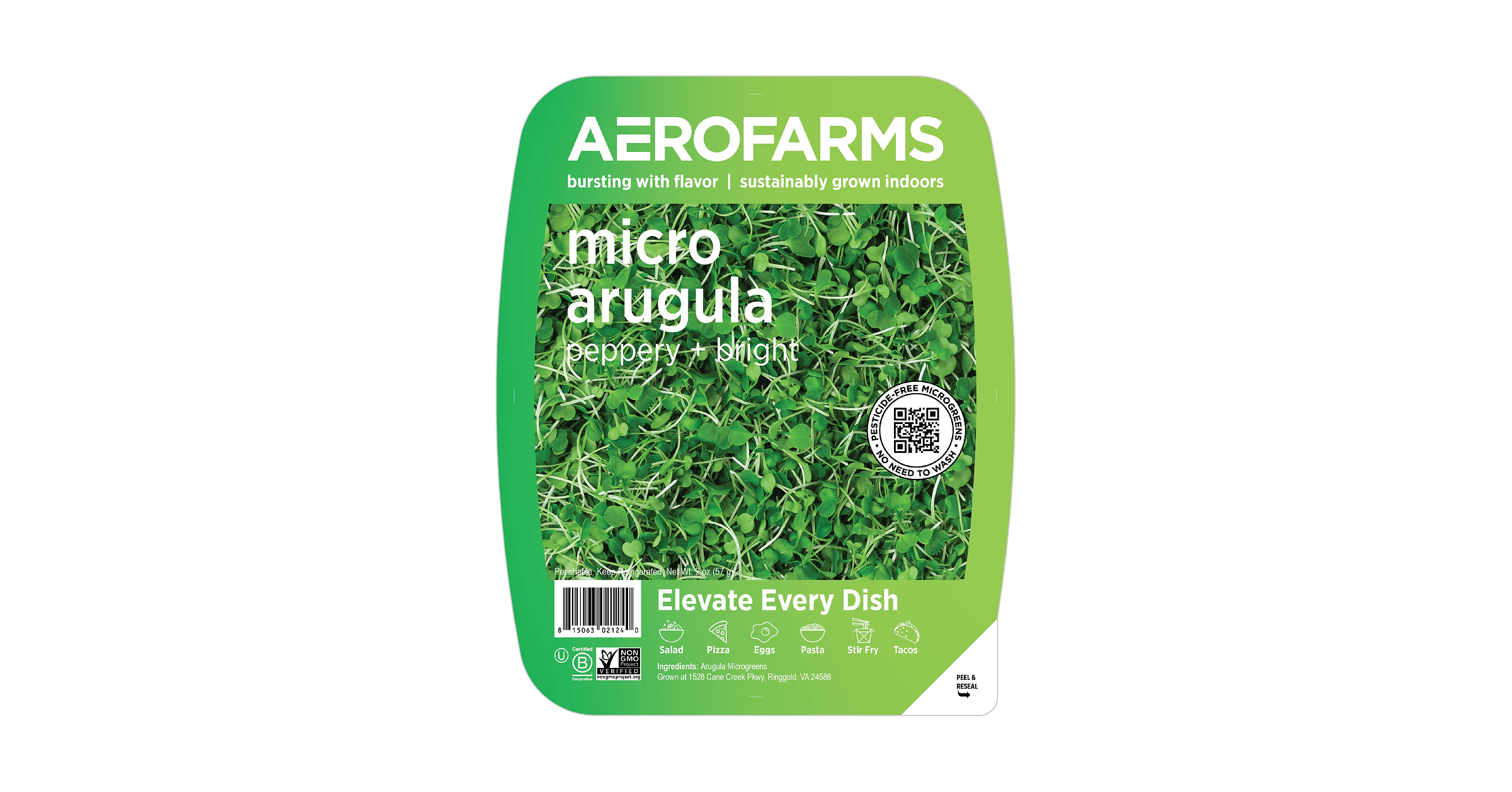
AeroFarms is expanding its microgreens lineup with Micro Arugula microgreens rolling out at Whole Foods nationwide starting late August ($4.99 per 2-ounce package) and Micro Broccoli launched exclusively for Costco members ($7.99 per 6-ounce pack). The company emphasizes indoor aeroponic production using purified, continuously monitored water to reduce food-safety exposure points and claims an 18–21 day shelf life (vs. ~7 days for soil-grown microgreens). Overall, this is a product-and-distribution expansion positioned around food safety, nutrition, and sustainability, with limited indication of immediate financial impact.
Analysis
For COST, this reads more like an assortment/traffic enhancer than a fundamental earnings catalyst. The incremental value is in basket mix: premium, health-coded perishables can lift member perception and potentially reduce shrink if the longer shelf-life claim translates in real stores, but the dollar pool is far too small to change comp math on its own. The real loser, if any, is the adjacent premium greens supply chain—conventional growers and distributors with higher spoilage and food-safety sensitivity may see selective substitution at the margin, especially in winter months when indoor-grown claims matter most.
The near-term market test is not the press release; it is velocity over the next 4-8 weeks and whether Costco allocates repeat facings after the first reorder. If sell-through is weak, this becomes a markdown/space-efficiency issue rather than a growth story. Over 6-18 months, the only structurally important implication is that retailers are increasingly willing to use indoor-grown produce as a private-label-adjacent premium halo, which can pressure traditional produce suppliers to defend share on freshness and traceability rather than price alone.
Contrarian view: consensus may be overstating the signal from a nationwide launch. Premium microgreens are an add-on, not a staple, and demand is likely elastic at these price points; distribution is easier than repeat purchase. For COST, that argues for patience rather than chasing the name on this headline. The setup only turns more interesting if food-safety headlines accelerate or if scanner data show this is creating a broader premium produce halo rather than a one-off SKU test.
AllMind Terminal
AI-powered research, real-time alerts, and portfolio analytics for institutional investors.
Request TrialMarket Sentiment
Overall Sentiment
mildly positive
Sentiment Score
0.20
Ticker Sentiment
Key Decisions for Investors
- Do not add to COST on the headline alone; wait 30-45 days for velocity and reorder evidence before underwriting any incremental fresh-category contribution.
- If already long COST, keep the position but treat this as a marginal positive for member perception, not an EPS catalyst.
- Watch scanner data and retailer commentary on premium greens: strong repeat rates and no markdowns would support a modest overweight to premium-fresh exposure; weak sell-through would be a fade signal.
- No standalone pair trade is warranted today; the signal is too small. If forced to express it, use only a tight-risk COST overweight versus XLP as a low-conviction basket trade.
More News
- AI agents like Muse can shop for you. Here's what that means for retail stocks
- Great News for Costco Investors
- Nvidia GPUs are everywhere. Here are the ways companies are accessing them
- Bank of America is bullish on these top stocks ahead of earnings
- As companies pour billions into Earth-based AI infrastructure, Google is taking the data center race off-planet
- AI's Supercharging a Scam Economy Bigger Than the Cocaine Trade
From AllMind Research
- Anthropic IPO Preview: Valuation, Timing, and What to Watch
- Shein After the IPO: Venue, Valuation, and What Must Be Proved
- What AI Research Tools Should a Small Hedge Fund Buy First?
- What Is an AI Investment Research Platform?
- What Exactly Does Post-Training in LLMs and Finance-Focused AI Actually Mean for Asset Managers?