
Donald Trump Throws the Kitchen Sink at High Gas Prices
Source: Bloomberg
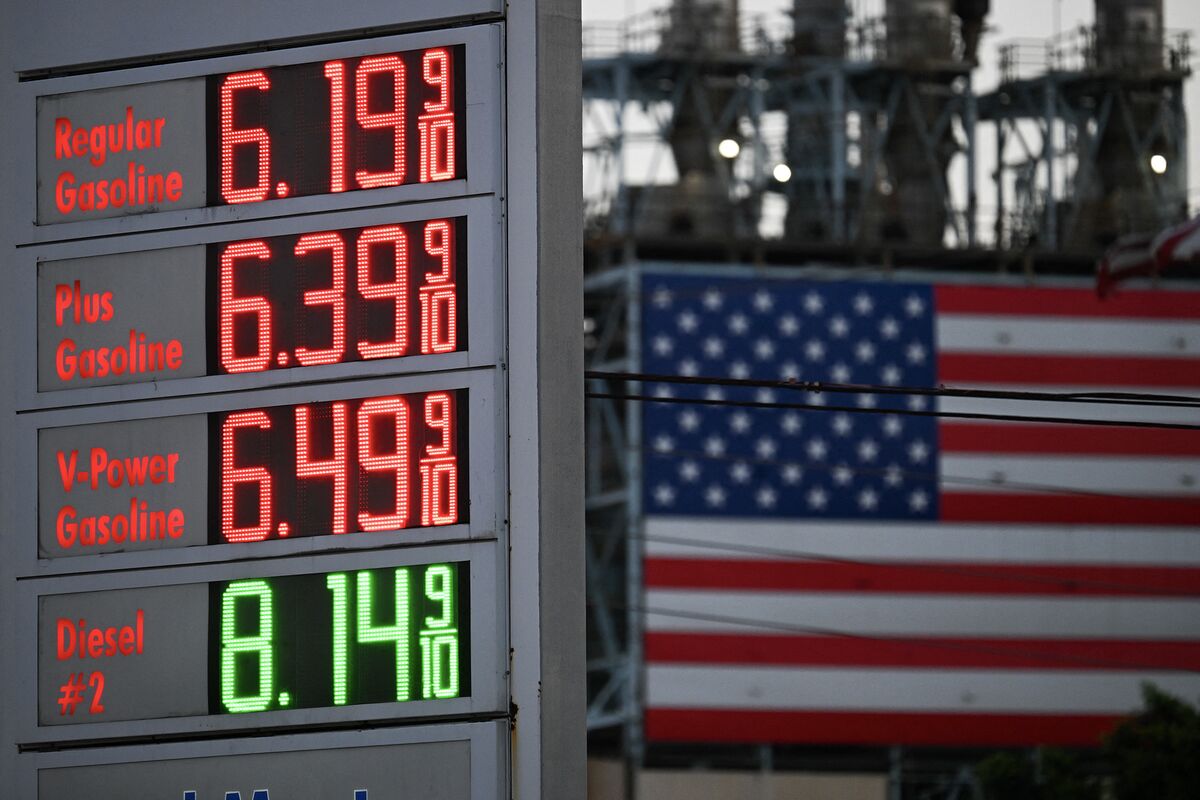
U.S. gas prices under Trump are approaching a “dour milestone” two weeks before Election Day and are nearly surpassing levels under Biden, according to the newsletter teaser. It provides no price figures or further detail on the comparison.
Analysis
The political cost of visible pump-price increases can create a near-term policy put on retail fuel, but not necessarily a durable reduction in wholesale energy costs. In the next two weeks, watch for proposals or actions affecting fuel taxes, strategic reserves, sanctions, or fuel specifications: each can move gasoline futures and regional spreads before it changes consumer prices. The second-order risk is that measures aimed at lowering pump prices compress refiners’ economics or shift supply rather than create it; the effect depends on product inventories, refinery utilization, and crack spreads, none of which are established here.
The headline comparison is a political framing, not enough to identify the cause of prices or infer a sustained inflation impulse. Seasonality, crude prices, and local refining constraints can dominate the national average. A quick policy-driven dip could therefore reverse after Election Day if underlying supply conditions remain tight. Over 6–18 months, policy uncertainty may raise the risk premium for US energy producers and refiners, but this item alone does not support a directional sector call. The key falsifiers are falling gasoline prices alongside easing product tightness, or, conversely, persistent pump-price increases despite announced relief. Verify the specific policy proposal and regional gasoline inventories before sizing exposure.
AllMind Terminal
AI-powered research, real-time alerts, and portfolio analytics for institutional investors.
Request TrialMarket Sentiment
Overall Sentiment
mildly negative
Sentiment Score
-0.15
Key Decisions for Investors
- No outright long or short in crude, refiners, or broad energy equities on this item alone; the reported political pressure is not evidence of a change in physical balances.
- For the next two weeks, monitor front-month RBOB gasoline versus WTI, regional product inventories, and refinery utilization. A sharp gasoline move without a corresponding crude move would point toward product-specific tightness or policy-driven distortion.
- Treat any fuel-tax relief, reserve release, sanctions adjustment, or fuel-rule waiver as a short-term catalyst, not a structural supply fix. Reassess if pump prices remain elevated after the measure or if inventories continue to tighten.
- Avoid extrapolating a pre-election price response into a post-election trend: policy urgency may fade, leaving gasoline exposed again to crude, seasonality, and refinery constraints.
More News
- French unrest compounds debt crisis fears. Paris-listed stocks, bonds and the euro fall
- Qatar warns global energy shockwaves from Iran war have yet to peak
- X-Energy CEO on Amazon, AEP Nuclear Data Center Deal
- Ukraine’s drones lose their Starlink link above 100 mph. Musk, Rubio and Trump all say it wasn’t them
- The French are rioting as inflation hits 3.4% while wage growth and GDP remain stagnant. It’s higher in Trump’s America
- Gold dips as oil prices fuel inflation fears, Fed outlook in focus
From AllMind Research
- Anthropic IPO Preview: Valuation, Timing, and What to Watch
- Shein After the IPO: Venue, Valuation, and What Must Be Proved
- What AI Research Tools Should a Small Hedge Fund Buy First?
- What a Concept From Nature Tells Us About How C-Suite Executives Actually Think About AI
- How to Track Earnings Call Sentiment Across Companies