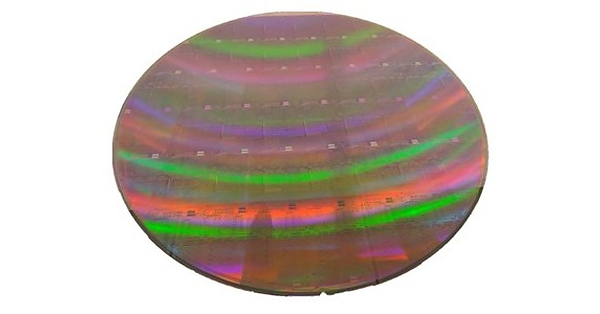
IEEE research highlights micro-transfer printing (MTP) as a promising method to heterogeneously integrate non-CMOS materials into silicon photonics, addressing the bandwidth/latency bottleneck now targeted by AI infrastructure. The work outlines an MTP workflow (coupon fabrication, sacrificial release, elastomeric stamp transfer, bonding) and cites multiple demonstrations (e.g., InP lasers with silicon nitride waveguides and LiNbO3 modulators on Si3N4 circuits). A new pilot line is proposed to support scalability, though key hurdles remain around yield, reliability, and throughput—keeping near-term impact limited but directionally positive for future advanced photonic systems.
Micro-transfer printing matters less as a science headline than as a signal that the bottleneck in silicon photonics is shifting from device design to manufacturable integration. If that transition takes hold, the economic rent moves toward firms with process control, packaging, and qualification muscle; pure IP around individual photonic functions becomes easier to commoditize. The most immediate beneficiaries are likely the optical-component and advanced-packaging stack, not end-demand AI infrastructure names.
The market should be careful not to price this as near-term revenue. Academic progress and pilot-line announcements typically precede material volume by 18-36 months, with the first real proof points being yield, thermal stability, and customer qualification rather than lab demos. In the next 1-3 months, the effect is mostly sentiment for names tied to AI interconnect bandwidth; over 6-18 months, the upside is a lower power-per-bit architecture that could accelerate co-packaged optics adoption.
Contrarian view: if MTP actually works at scale, it is potentially deflationary for optical ASPs and punishes anyone relying on scarcity economics. The durable winners would be the equipment, test, and packaging enablers that capture the manufacturing layer, while higher-multiple transceiver names could see margin pressure if integration lowers barriers. TGT has no direct fundamental read-through here, so this is not a tradeable signal for that ticker.
AI-powered research, real-time alerts, and portfolio analytics for institutional investors.
Overall Sentiment
mildly positive
Sentiment Score
0.25
Ticker Sentiment
