
US, Iran Explore Phased Deal to Reopen Strait of Hormuz
Source: Bloomberg
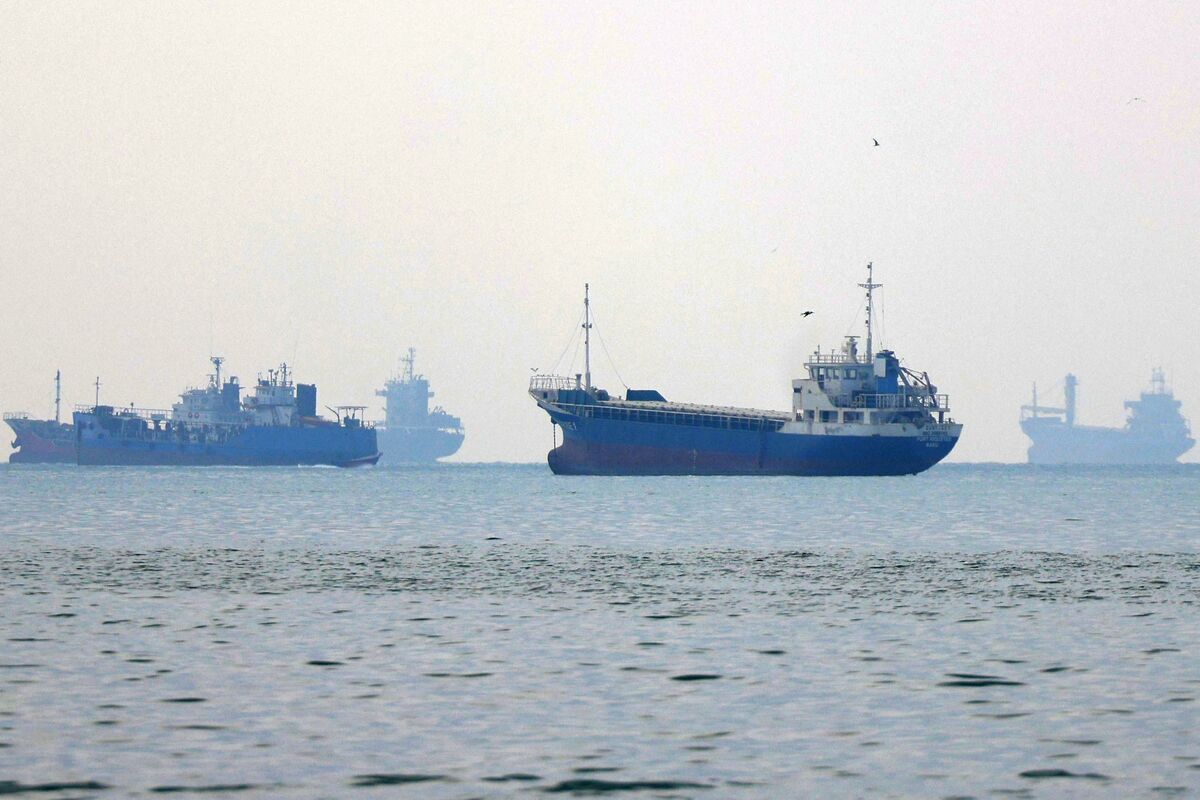
The US and Iran are discussing a phased agreement to reopen the Strait of Hormuz, a critical shipping chokepoint for global oil and trade flows. No terms, timeline, or confirmation of an agreement were provided, leaving execution risk high. A credible reopening could ease energy-supply and shipping disruptions, with potentially significant implications for oil prices and broader risk sentiment.
Analysis
The market implication is a reopening-risk premium unwind rather than a clean energy bear case. The first-order move should favor refiners and transport-heavy consumers as crude and freight insurance normalize; the larger sensitivity is in high-cost imported crude markets in Asia, where Japan and Korea refiners (JX Holdings 5020 JP, S-Oil 010950 KS) regain margin visibility faster than US independents. Tanker owners face the inverse: spot charter and war-risk premia can collapse before physical volumes normalize, leaving Frontline (FRO), DHT Holdings (DHT), and Euronav/CMB.TECH (CMBT) vulnerable if the agreement includes credible transit-security enforcement.
A phased arrangement is inherently fragile: oil may sell off immediately on headlines, but sustained normalization requires verified passage, insurer participation, and no secondary escalation. Over the next 1-3 months, Brent backwardation, VLCC spot rates, and Gulf loading data will distinguish a genuine supply-chain repair from diplomatic theater. A failure to clear vessels or a renewed attack would rapidly restore the premium, creating asymmetric upside in crude volatility even if outright oil remains range-bound.
Consensus may overstate the barrels-at-risk relief. Reopening transit does not automatically restore sanctioned Iranian exports, resolve regional inventory dislocations, or reverse producers' precautionary logistics behavior; inventories and refinery runs can remain distorted for a quarter. The cleaner relative-value expression is therefore short disruption beneficiaries versus long fuel-margin beneficiaries, not an unhedged short in oil.
AllMind Terminal
AI-powered research, real-time alerts, and portfolio analytics for institutional investors.
Request TrialMarket Sentiment
Overall Sentiment
mildly positive
Sentiment Score
0.15
Key Decisions for Investors
- Initiate a 1-3 month pair: long US refiners Valero (VLO) and Marathon Petroleum (MPC) versus short tanker exposure FRO or DHT, sized beta-neutral. Refiners benefit from lower crude/feedstock volatility and freight costs; exit if VLCC spot rates fail to decline for two consecutive weeks after a formal implementation announcement.
- Use Brent or USO downside cautiously rather than chase an outright short: buy 2-3 month Brent put spreads, targeting a 5-8% premium unwind while retaining defined risk. Thesis is falsified by verified transit disruption, Brent breaking above the pre-deal headline high, or insurance war-risk rates rising.
- Reduce tactical overweight exposure to US E&P beta (XOP, FANG, DVN) into any relief rally over the next several sessions; these names face the fastest multiple and FCF-expectation reset if the geopolitical premium persists lower. Re-add only if physical loading and tanker-tracking data show reopening is not translating into flows.
- Watch rather than trade Iranian-export beneficiaries until terms are disclosed: a transit agreement without sanctions relief should not materially alter global supply. A verified sanctions waiver or export-license framework would be the catalyst to extend crude downside and favor Asian refiners over US refiners.
More News
- Bond Selloff Fades, US-Iran Said to be Exploring Phased Deal, Trump-Xi Summit
- Saudi Arabia allies line up support as Houthi attacks mount
- Pakistan, Turkiye edge closer towards joining Saudi war against Houthis
- Costco just reported strong earnings. Goldman Sachs sees a sharp move higher for the stock
- Oil Prices Decline on Hopes of a Hormuz Deal
- US, Iran Said to Be Exploring Phased Deal to Open Hormuz