
LIV Golf’s Big Losses Provide Fuel for a Second Act
Source: Bloomberg
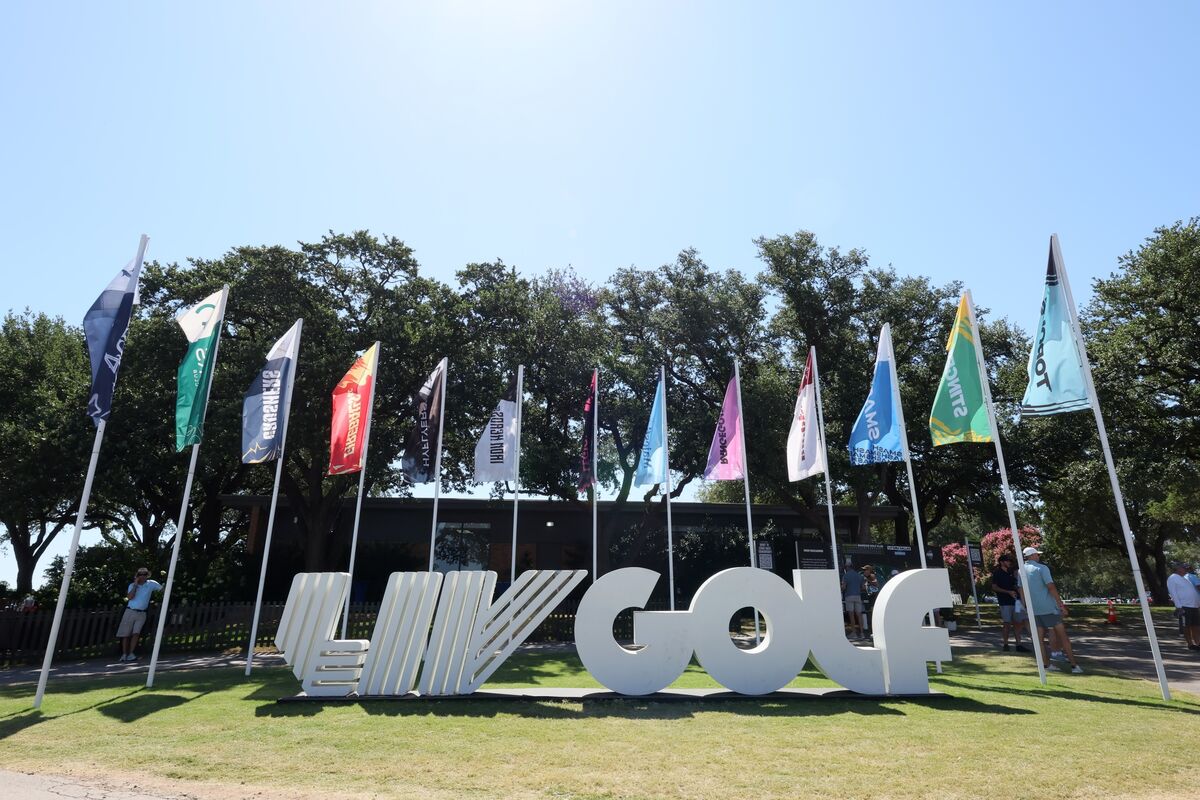
LIV Golf filed for bankruptcy after accumulating substantial losses in its effort to challenge the PGA Tour. BC Partners is exploring a tax strategy that could use those losses to support a restructuring and potential second act for the golf venture. The bankruptcy underscores significant financial stress, although the tax value of accumulated losses may improve the prospects for a revival.
Analysis
The investable implication is primarily a private-credit and distressed-M&A one, not a broad public-equity signal. Any buyer underwriting value from accumulated tax losses must clear ownership-change limitations under Section 382 and demonstrate a source of durable taxable income against which those losses can be used; without a profitable adjacent platform or credible media/sponsorship cash flow, the headline loss balance has limited realizable value. That makes the eventual restructuring valuation more sensitive to contract liabilities, player guarantees, and future funding commitments than to nominal tax attributes.
A cleaner balance sheet could improve the venture's ability to bid for talent, events, and distribution, raising competitive pressure on the PGA Tour's ecosystem over the next 6-18 months. The more relevant second-order exposure is golf participation and equipment demand: Topgolf Callaway (MODG) benefits only if renewed competition expands recreational participation and sponsor spending, while its near-term earnings remain far more exposed to Topgolf unit economics and consumer discretionary demand. The news alone does not justify a directional MODG position.
Consensus may overvalue the optionality of a tax-driven rescue. Tax assets are valuable only when paired with taxable earnings, and a restructuring that preserves operating continuity can leave legacy fixed obligations intact; a purchaser may therefore prefer the assets, media rights, and customer relationships over the legal entity carrying the losses. A failed or delayed buyer process would instead reinforce the bargaining power of incumbent golf institutions and reduce the probability of an expensive renewed competitive cycle.
AllMind Terminal
AI-powered research, real-time alerts, and portfolio analytics for institutional investors.
Request TrialMarket Sentiment
Overall Sentiment
strongly negative
Sentiment Score
-0.65
Key Decisions for Investors
- No immediate public-equity trade: avoid treating the restructuring as a standalone catalyst for MODG; the transmission to its revenue base is too indirect and likely below the threshold for a material 1-3 month estimate revision.
- Monitor the buyer-process disclosures for the treatment of tax attributes, assumed player/event obligations, and committed capital. A transaction that monetizes losses through a profitable affiliated business would be a 6-18 month signal of renewed competitive spending; an asset sale without tax-attribute transfer would falsify that thesis.
- For private-markets exposure, require a substantial discount to stated tax-loss value in any distressed valuation work. Underwrite tax attributes at near zero until ownership-change limits, taxable-income source, and the post-reorganization capital structure are independently verified.
- Set an alert for multi-year media-rights or title-sponsorship commitments rather than tournament announcements. Those contracts, not a bankruptcy exit alone, would be the actionable evidence of recurring cash flow and a potential catalyst for golf-industry spending.
More News
- The trade deficit with Canada that’s upset Trump so much is due to crude the U.S. buys at a discount for the Midwest. ‘It’s the only oil they can use’
- What happens if Bombardier jets are not sold in the U.S.?
- Robert Friedland on the World's Monumental Shortage of Copper
- Larry Ellison cancels plan to sell Oracle stock
- Nvidia may put $10bn into Anthropic’s IPO, more than Europe’s largest AI round in full
- Buffett's confidence in troubled decade-old acquisition finally pays off