
Часы HUAWEI WATCH D3 дебютируют на конгрессе ESC Congress 2026: новая эра в управлении артериальным давлением на основе запястья
Source: PR Newswire
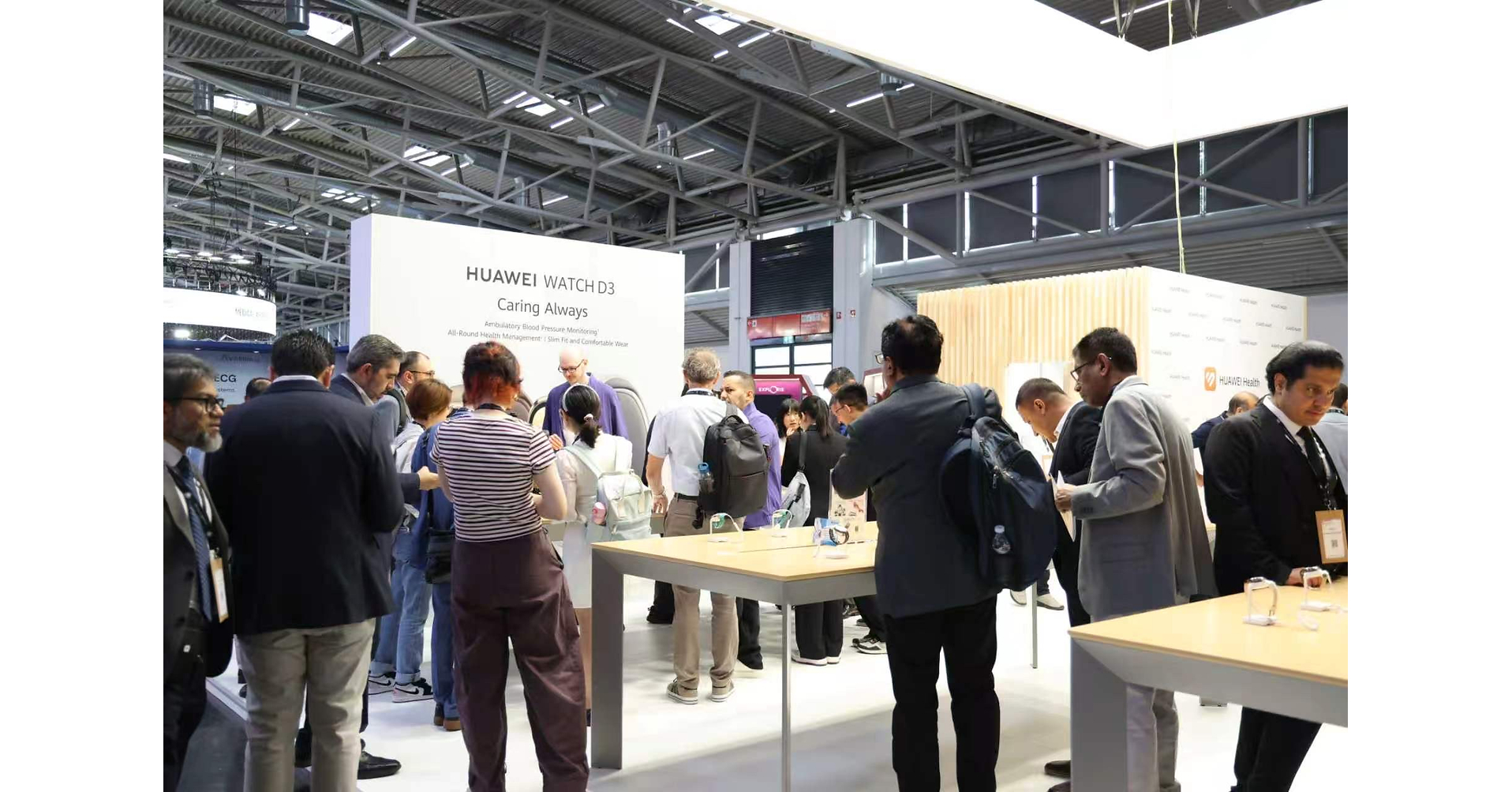
Huawei представит часы HUAWEI WATCH D3 на ESC Congress 2026 в Мюнхене, продвигая следующее поколение наручного амбулаторного мониторинга артериального давления. Новинка ориентирована на более широкий спектр сценариев измерения (в т.ч. до/после тренировки) и получала сертификацию CE MDR в ЕС, при этом заявлена повышенная точность при повышенной ЧСС и добавлены напоминания для высотных условий и резких перепадов температуры. Новость носит преимущественно продуктово-инновационный характер и ожидаемо оказывает ограниченное влияние на рынки в краткосрочной перспективе до раскрытия цен и полной спецификации.
Analysis
This is more interesting as a signal for feature commoditization than as a direct revenue event. Wrist-based blood-pressure monitoring moving into mainstream consumer hardware lowers the defensibility of “health” as a premium differentiator, which is mildly negative for wearables vendors that rely on software/features to justify ASPs—especially in the mid-tier where hardware margins are already thin. The likely first-order losers are smaller watch makers and dedicated home-monitoring device brands that compete on convenience rather than physician workflow; the likely winner is the broader trend toward sensor-rich devices, not any single company.
The bigger second-order effect is on expectations: once a consumer device can credibly claim a clinically adjacent use case, the market starts underwriting more aggressive health-roadmap narratives from Apple and Garmin. That can support multiples for leaders if they can prove accuracy and engagement, but it also raises the bar for evidence; any miss on validation, battery life, or user retention would quickly unwind enthusiasm. In other words, the upside is a sentiment trade, while the downside is a product-cycle risk that plays out over 1-3 quarters, not days.
Contrarian view: the market may be overreacting to medical-sounding language. Regulatory clearance is not the same as reimbursement, physician adoption, or durable consumer monetization, and geopolitics likely cap the global competitive impact of the vendor in question. If anything, the more durable thesis is that blood-pressure awareness rises structurally over 6-18 months, but that mostly benefits incumbents with ecosystem lock-in rather than opening a clean standalone trade today.
AllMind Terminal
AI-powered research, real-time alerts, and portfolio analytics for institutional investors.
Request TrialMarket Sentiment
Overall Sentiment
mildly positive
Sentiment Score
0.15
Key Decisions for Investors
- No immediate standalone trade: treat this as a watch item rather than a conviction signal; wait for evidence of consumer uptake, channel pricing, and any mention of health-feature attach rates at next quarter earnings.
- Mild relative-value short: GRMN vs AAPL over the next 1-3 months if wearables health-features become a marketing arms race; thesis is ASP pressure on smaller watch vendors first, with a stop if Garmin gross margin or wearables growth re-accelerates.
- If looking for an event-driven expression, buy a small AAPL call spread into the next product-cycle window only on confirmation that health features are being pushed as a core iPhone/Watch narrative; otherwise skip—headline alone is not enough for a clean catalyst.
- Set an alert on OMRN / home blood-pressure monitoring peers: if consumer wrist-based monitoring gains retail traction, the risk is slower replacement demand for dedicated cuffs over 6-12 months, but this is not yet a tradable U.S.-listed setup.
More News
- Christine Lagarde: IMFC Statement
- Why did CoreWeave stock get crushed this week? Look to this corner of the debt market for clues
- Palantir patient data tech rejected by many NHS trusts in England
- Diageo's Toxic Spill Hits Pristine River in Scottish Whisky Country
- AI stock sell-off ramps up over debt-fueled data center spending fears: ‘Full-blown crisis of confidence'
- Tesla is taking $250,000 deposits for a Roadster with SpaceX thrusters. The FAA says it isn’t an aircraft