
Splice and John Legend Go Electric with New Signature Instrument Featuring the Vintage Electric Piano from Legend's Home Studio
Source: PRWeb
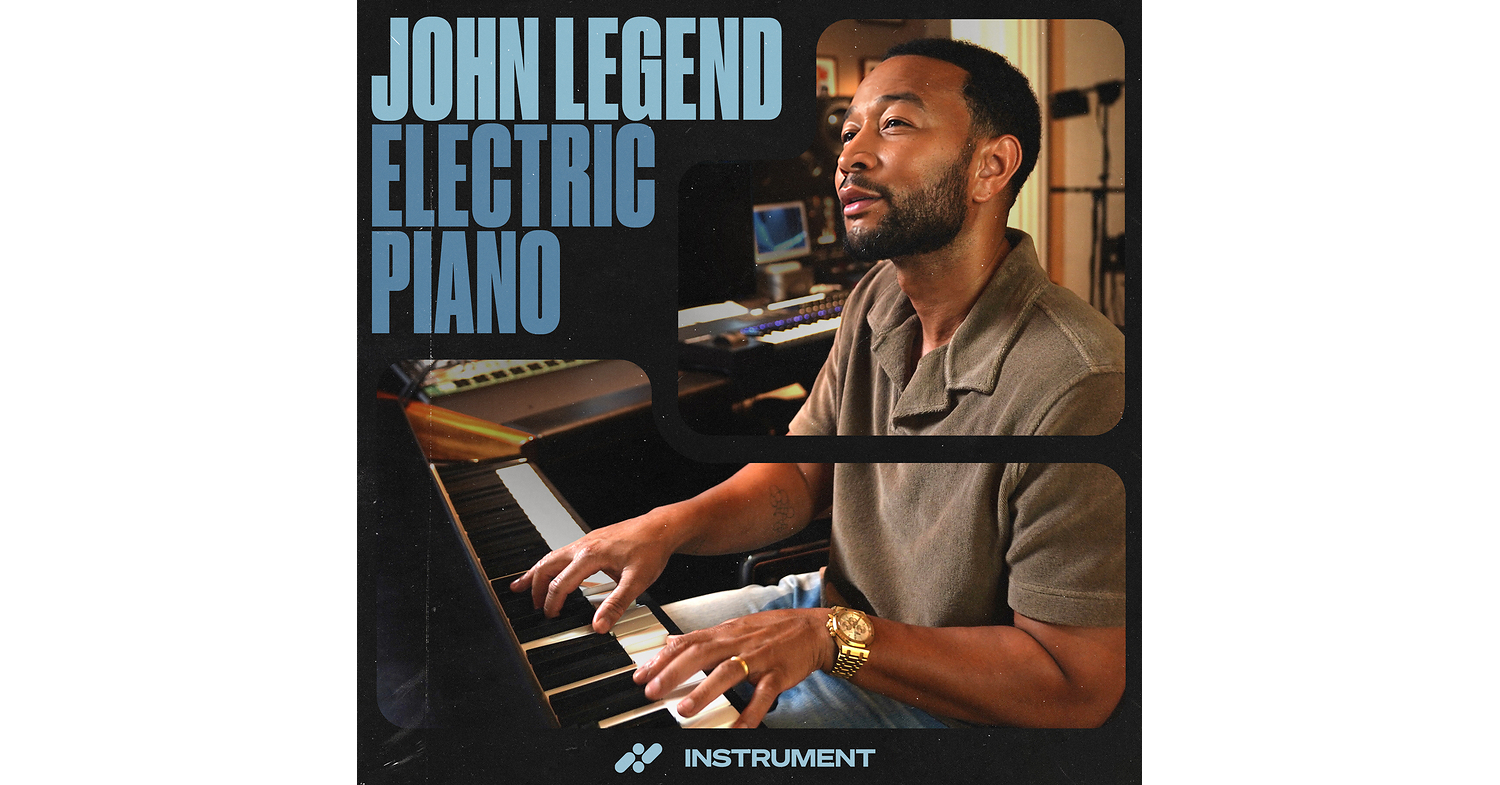
Splice launched John Legend: Electric Piano, an instrument sampled from Legend’s vintage electric piano and available exclusively through Splice INSTRUMENT. The product expands Splice’s Artist Signature collection and follows its earlier collaboration with Legend, whose first instrument has been played by tens of thousands of pianists. The announcement provides no pricing, sales outlook, or financial results.
Analysis
This is a product-engagement signal, not yet an investable revenue catalyst. The commercial mechanism is potential subscription retention and higher willingness to pay: recognizable artist content can make Splice’s catalog feel more differentiated and give existing users reasons to return. But a single signature instrument is readily substitutable, and the release provides no evidence on paid conversion, incremental usage, pricing, or licensing economics. Tens of thousands of users on the prior collaboration indicates reach, not monetization.
The competitive implication is modest pressure on sample-library and virtual-instrument platforms such as Native Instruments, Arturia, and Output to secure distinctive creator/IP partnerships and improve discovery. Splice’s advantage would be strongest if it can repeatedly turn artist access into a scalable release pipeline; one-off collaborations alone are unlikely to create durable switching costs. More artist content could also raise royalty or production costs, so engagement gains need to be assessed net of partner economics.
Near term, expect little fundamental repricing: Splice is not identified here as a publicly traded company, and no mapped listed exposure supports a clean direct trade. Over 1–3 months, watch for evidence of repeat launches and paid engagement; over 6–18 months, the thesis depends on whether creator partnerships improve retention or ARPU at attractive economics. The contrarian read is that the product’s cultural appeal may be more meaningful for brand positioning than the immediate sales impact—but the press release does not establish either outcome. Falsification: no repeat cadence, weak adoption beyond promotional reach, or evidence that artist content does not improve retention or paid conversion.
AllMind Terminal
AI-powered research, real-time alerts, and portfolio analytics for institutional investors.
Request TrialMarket Sentiment
Overall Sentiment
mildly positive
Sentiment Score
0.20
Key Decisions for Investors
- No direct position: the article identifies no publicly traded issuer or mapped ticker, and the disclosed information is insufficient to underwrite a listed-company revenue effect.
- Track Splice for repeat artist-instrument releases and independently verifiable changes in paid conversion, retention, usage, or pricing; treat audience counts as reach rather than revenue evidence.
- For listed music-software peers, monitor partnership announcements and product differentiation, but do not short Native Instruments, Arturia, or Output on this isolated launch; the competitive impact is not quantified.
- Reassess only if a public distributor, platform, or supplier is shown to have material exposure, or if Splice demonstrates a repeatable partnership pipeline with favorable licensing economics.
More News
- Anthropic's IPO could be 'speculative fiction' or a 'generational moment' — investors are split
- VCs will make billions on Anthropic’s IPO, but Amazon is set to make much (much) more
- Indian investors rush to Nvidia, SpaceX, Apple as local trading apps roll out access to U.S. stocks
- SK Hynix Q3 profit jumps more than 7-fold, beats forecasts
- Ultra Clean Holdings soars 11% on strong Q3 beat, upbeat outlook
- Oracle integrates ChatGPT, Codex into apps and expands cloud chip lineup